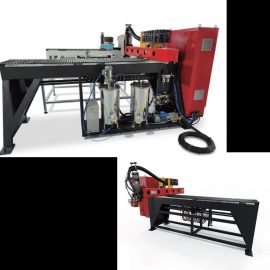
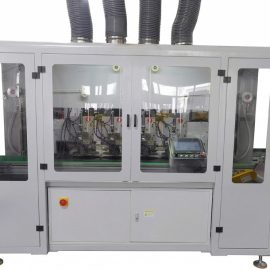
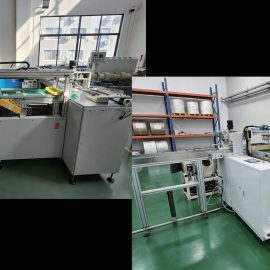
METAL LID SEALING EQUIPMENT
EVA, PVC and PU gasket production machines
Three machine platforms matched to pre-formed EVA strip, one-component PVC compound and two-component PU foam-in-place processes.
EQUIPMENT RANGE
Three processes for different gasket systems
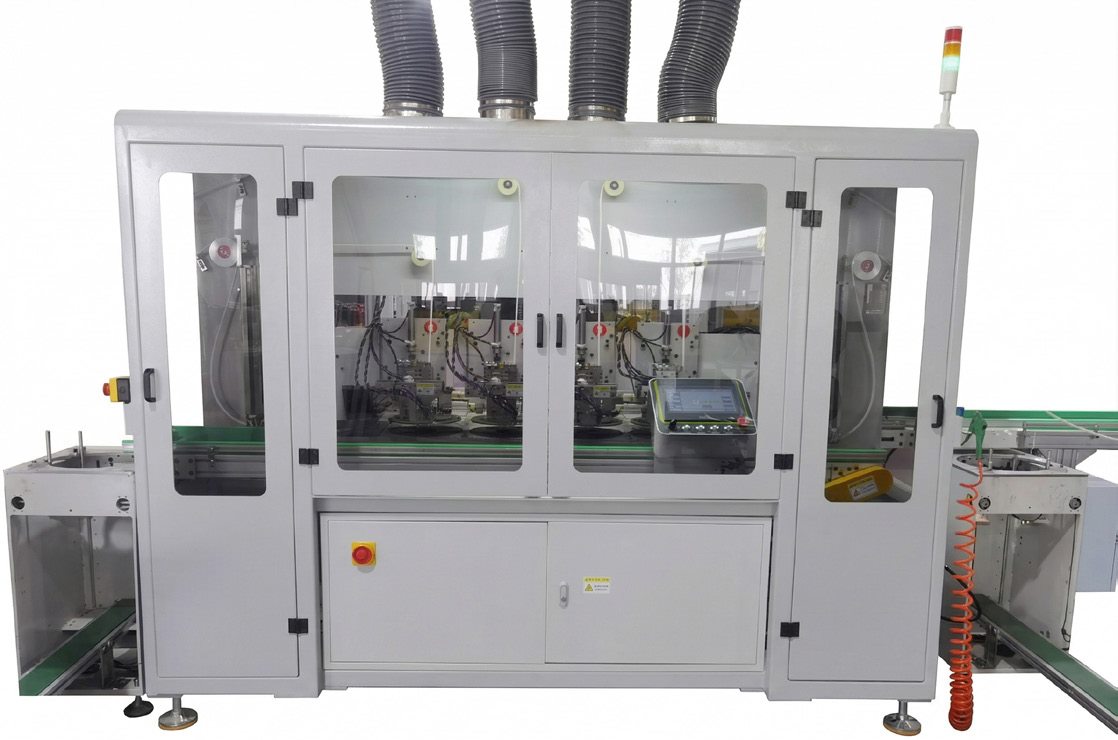
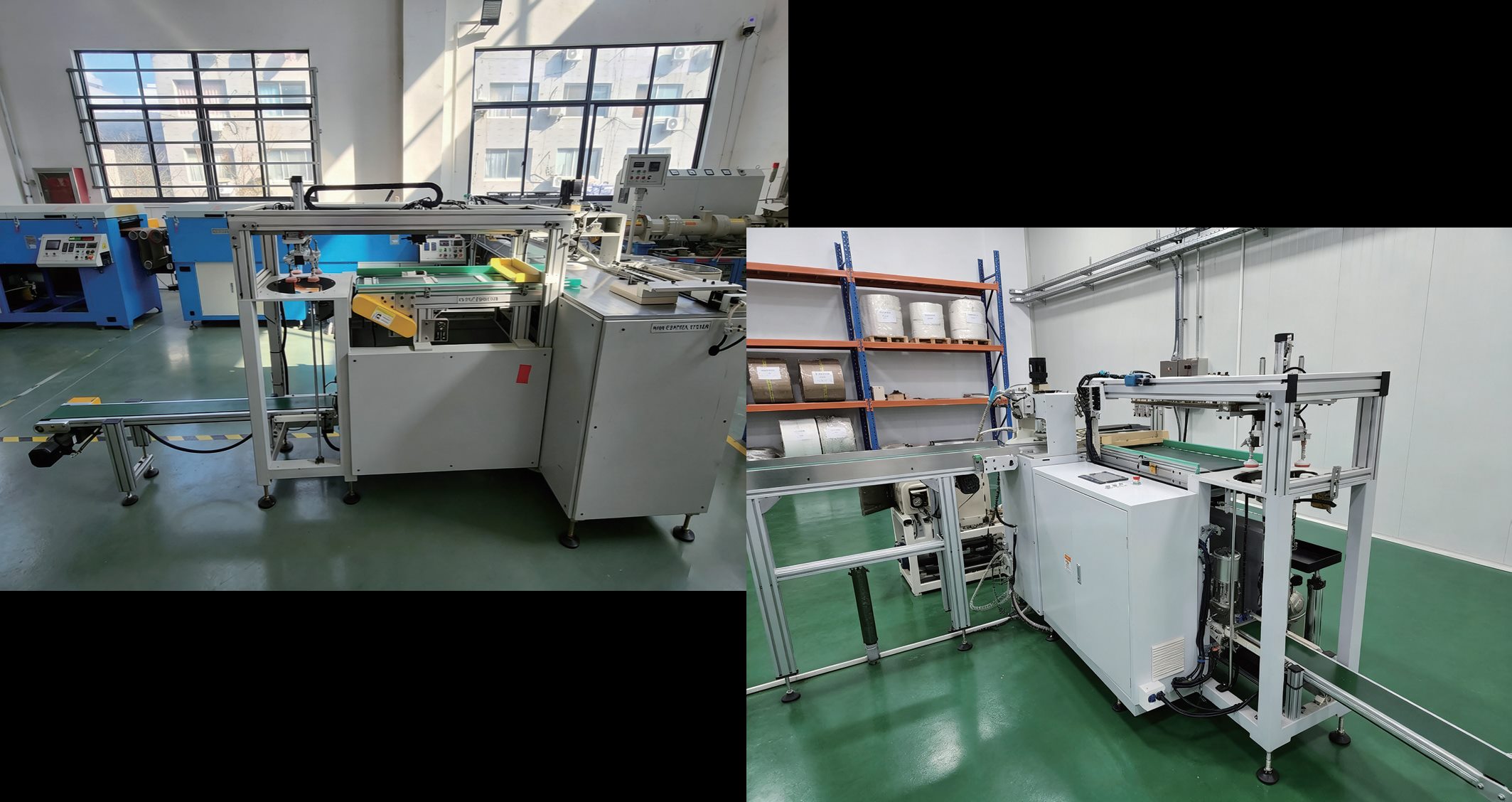
EVA automatic gasket lining machine
Feeds pre-formed EVA strip, inserts it into the groove, cuts it and heat-welds the joint without an oven.
PVC one-component dispensing machine
Meters a continuous PVC bead into metal lid grooves before controlled oven curing.
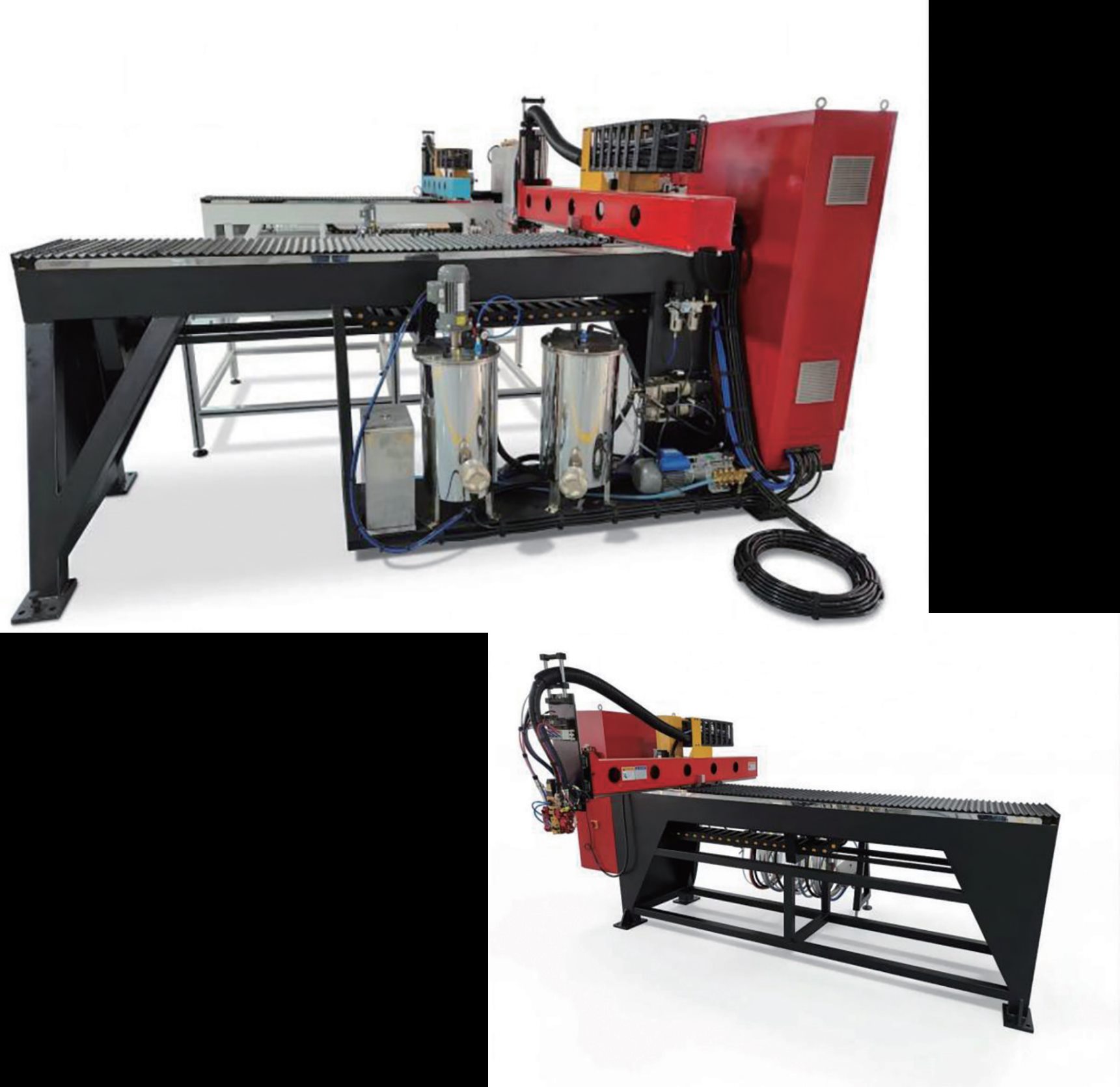
PU two-component dispensing machine
Meters and dynamically mixes two PU components for room-temperature foam-in-place gaskets.
Compare sealing equipment for your lid
Start with the groove drawing, gasket material and the stations before and after the machine. Use production-representative lids to compare the proposed configurations.
| Selection point | EVA automatic gasket lining | 1K PVC dispensing | 2K PU dispensing |
|---|---|---|---|
| Lid groove and gasket | The EVA lining machine fits round lids with grooves for pre-formed EVA strip. Check groove width and depth, strip section and joint seating. | Metal lid grooves with room for a continuous bead. Check the lid coating, bead section and start-stop overlap with the selected 1K PVC compound. | Lid grooves or enclosure flanges with nozzle access along the programmed path. Check location, bead section and clearance with the selected 2K PU compound. |
| Infeed and outfeed | Agree on lid orientation, loading method and strip feed. Define how lined lids leave the station for inspection and collection. | Locate lids groove-side up and agree on transfer to the oven. Define cooling, inspection and collection after cure. | Locate each lid or enclosure in a fixture. Agree on transfer and how to support the workpiece while the bead reacts and conditions. |
| Oven requirement | The pre-formed strip uses local heat joining. The lining process runs without a gasket-curing oven. | Plan for controlled oven curing and cooling. Confirm oven capacity, measured lid temperature and dwell for the selected compound and lid. | The mixed compound reacts at room temperature without a cure oven. Confirm approved conditioning and handling time for the selected grade. |
| Site utilities | Confirm electrical supply and air if required by the configured equipment. Review the local extraction connection for the heat-joining station. | Confirm electrical supply, any air demand, oven heat supply and extraction, cooling space and line connections. | Confirm electrical supply, any air demand, component conditioning space and the approved cleaning and waste connections for the selected system. |
| Changeover | Verify the lid locator, strip guide and cut-length settings. Approve the first ring and joint at the next size. | Check the lid locator, bead path and material change. Verify the oven settings and first cured lid after the change. | Change the fixture and programmed path as needed. Confirm the material change and cleaning sequence, then inspect the first conditioned bead. |
| Output to validate | Count accepted lined lids over a sustained run on the required lid sizes. Include feeding stops and seam rejects. | Count accepted cured lids over the agreed run. Include oven, transfer, cooling and inspection in the line rate. | Count accepted parts over the agreed run. Include the effects of the path, material handling, cleaning and downstream inspection. |
Confirm voltage, frequency, phase, available load, air and extraction against the proposed configuration. Record output as accepted pieces per elapsed time on the agreed sample run.
Sample-lid trial and factory acceptance record
Use one record per machine configuration and trial run. Agree the test method and criteria before the sample trial or factory acceptance test (FAT). Enter approved targets and actual observations as they become available.
| Stage and check | What to record | Agreed target or condition | Measured result or finding |
|---|---|---|---|
| Sample trialRun and samples | Date, machine configuration, lid sample and drawing revision, material and batch. | ||
| Sample trialGroove and profile | Lid diameter and finish, groove width and depth, strip or bead width and height, and where each was measured. | ||
| Sample trialProcess and gasket quality | Record the approved EVA joining setup, PVC actual lid temperature and dwell, or PU mix ratio and conditioning, as applicable. Inspect seating, continuity and the joint or bead overlap. | ||
| FATUtilities and line interfaces | Power and any air, heat or extraction requirements. Verify lid orientation, feed height, transfer, discharge and reject handling. | ||
| FATChangeover and restart | Record both lid formats, tooling and setting changes, cleanup if applicable and elapsed time from the last accepted old-format part to the first accepted new-format part. | ||
| FATSustained output | Record elapsed time, accepted and rejected counts, planned handling and stops. Calculate accepted pieces per minute using the agreed counting window. | ||
| Sample trial or FATFinished-package leak check | Record the lid and closure, test medium, method, orientation, temperature, hold time, any applicable pressure and leak location. | ||
| FATAcceptance and follow-up | Attach the run records and measurements. Record the decision, open items, responsible people and retest or sign-off date. |
Send your sample lid drawings and line requirements to review the checks for your project.
SEALING EQUIPMENT FAQ
Questions before machine configuration
Which machine is used for pre-formed EVA gaskets?
The EVA automatic gasket lining machine feeds continuous EVA strip, places it in the lid groove, cuts the strip and heat-welds the joint. It does not dispense liquid compound.
Does a PVC dispensing line require an oven?
The one-component PVC process normally requires a controlled oven cure after dispensing. The required temperature and dwell time must be validated with the selected compound and lid.
What information is required before configuring a sealing machine?
Provide lid drawings and samples, gasket or bead dimensions, material, line speed, available space, utilities, upstream and downstream handling, test method and target output.