
03 FOAM-IN-PLACE
PVC and PU Sealing Compounds for Pail and Drum Lids
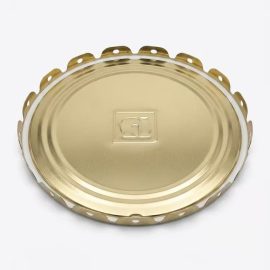
Compare one-component PVC and two-component PU foam-in-place sealing compounds for metal pail and drum lid grooves. Match the compound, dispensing machine and curing method, then validate the formed gasket with the actual lid and filled medium.
Choose between 1K PVC and 2K PU
Start with the equipment available on your line. Compare how each compound is dispensed and cured, then check the seal on a sample lid or enclosure.
| Decision point | 1K PVC | 2K PU |
|---|---|---|
| Dispensing equipment | A single-component dispenser applies the PVC compound into the lid groove. | A two-component dispenser meters and mixes A and B before applying the bead. |
| Foaming and curing | An oven heats the compound to form and cure the gasket. See the two grade-specific bake references below. | The room-temperature route forms a foam bead from the mixed compound. Confirm the selected grade’s handling and cure requirements before setting line speed. |
| Where to start | Sample this route for metal lids on a line with controlled oven heating. Match the PVC grade to the actual lid surface. | Sample this route if you need a room-temperature process with A/B metering and mixing. For PUR WM-1575, request the current TDS and the SDS for each component. |
| Sample approval | Check the cured bead profile and adhesion on your lid finish, then test the assembled closure. | Check bead continuity, cured section and compression against the mating surface, then test the assembled seal. |
Choose JY-01 or JY-02 for your metal lid
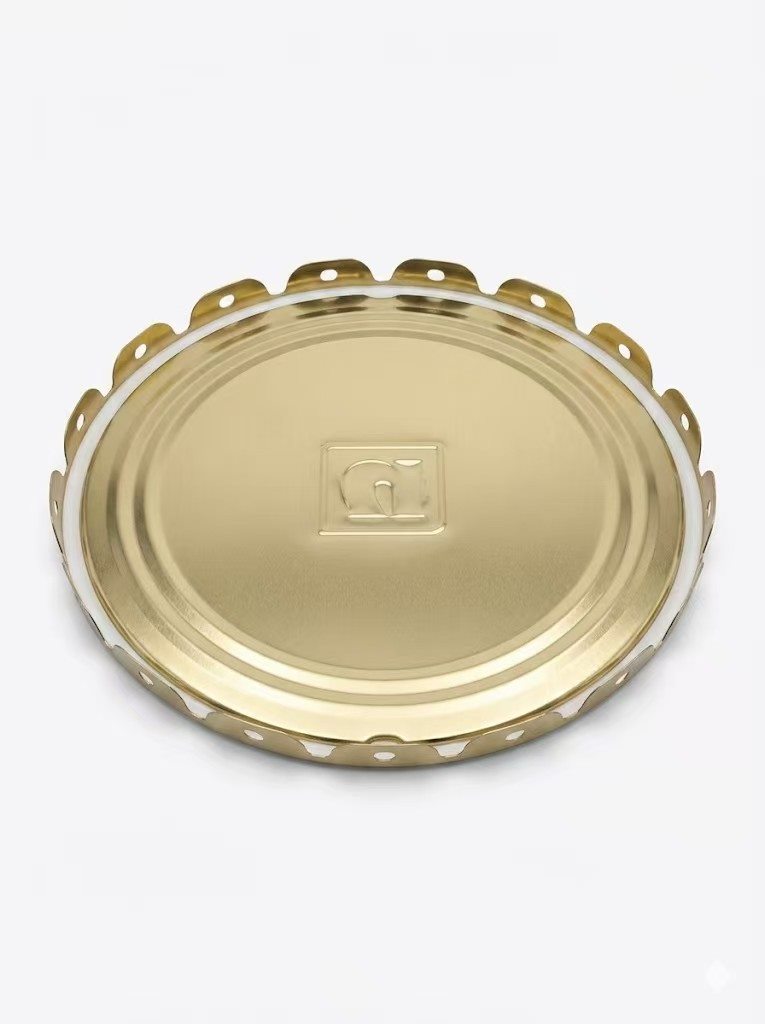
For the 1K PVC route, compare the bake window and lid surface before choosing a grade.
| Grade | Selection priority | Reference bake settings | Technical documents |
|---|---|---|---|
| JY-01 | Low-temperature foamingFor a lower bake window and a springy, translucent gasket. | 165–200 °C120–150 s | JY-01 TDS (PDF)JY-01 SDS (PDF) |
| JY-02 | Strong adhesion to bare tinplateDispense directly without a separate adhesive coat. Check the result on your actual lid. | 190–230 °C150–180 s | JY-02 TDS (PDF) |
Use the bake ranges as trial starting points. Record oven setpoint and measured lid temperature separately. For JY-01 food-contact projects, verify the finished closure for the food type, contact conditions and destination market.
Plan a dispensing trial with your own lids
Set up a repeatable trial
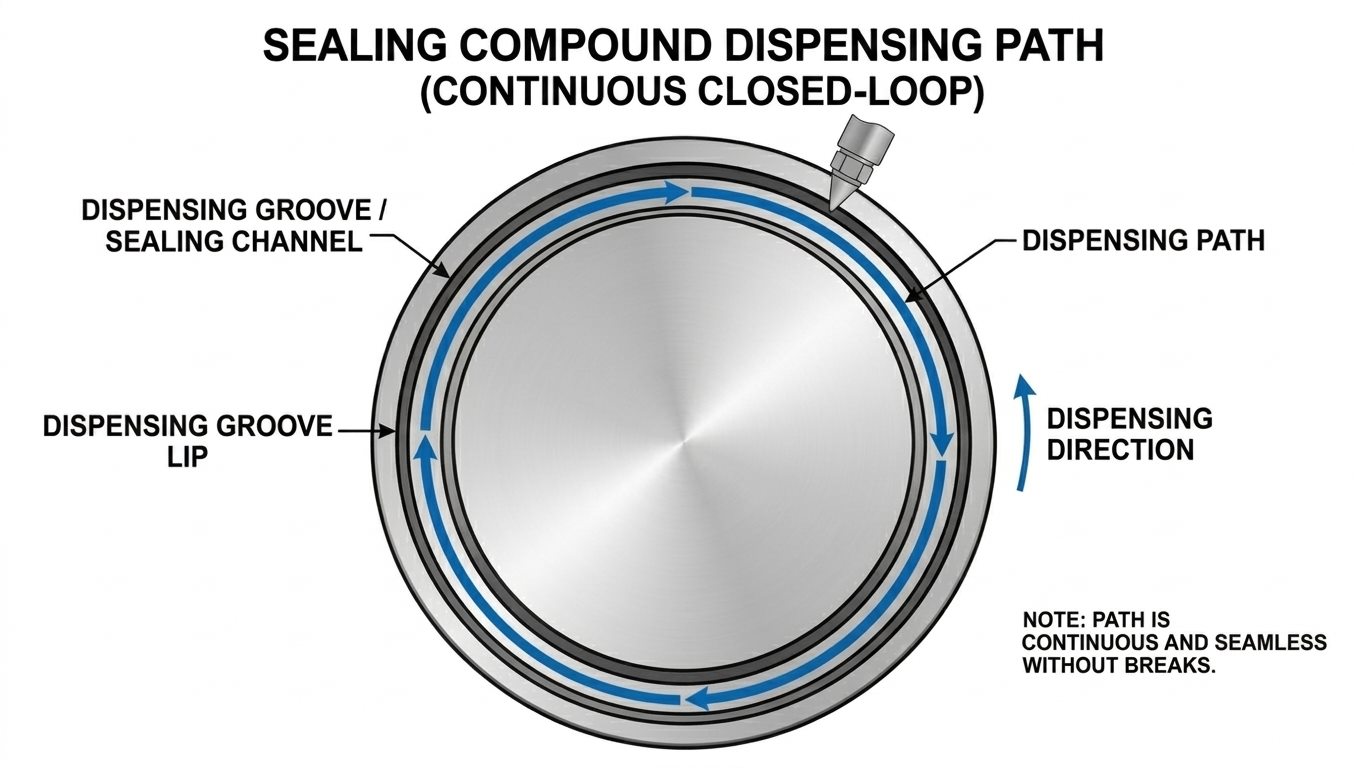
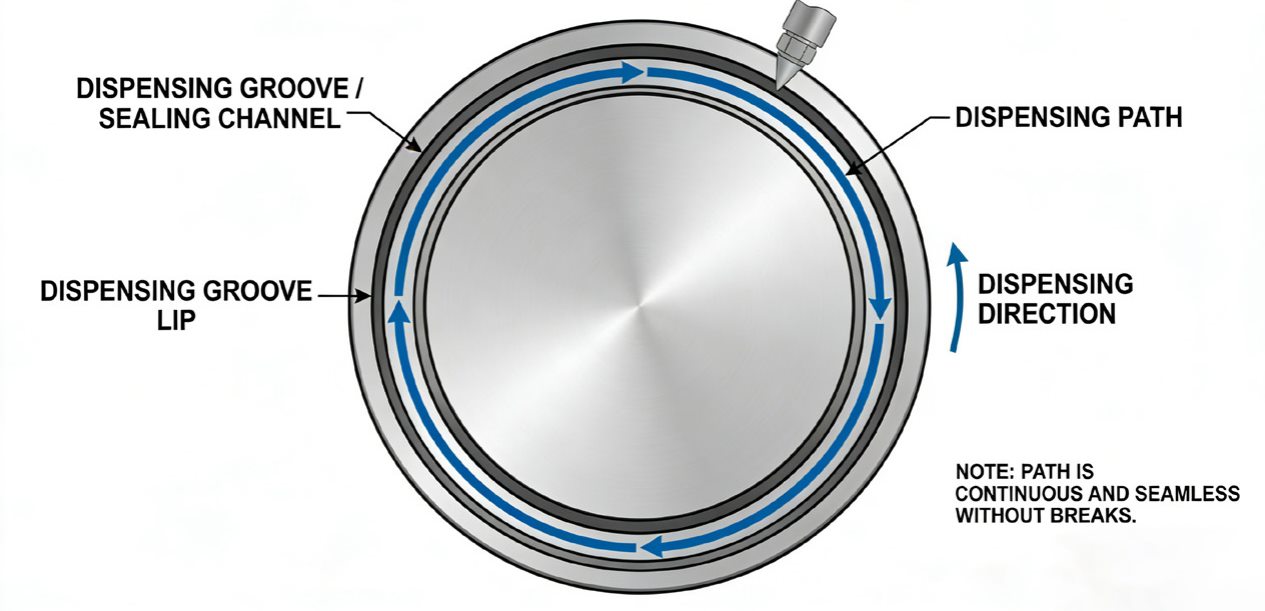
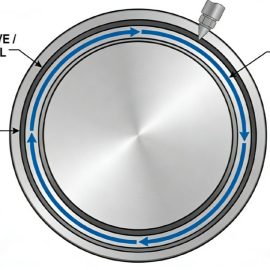
Use production lids with the intended surface finish and groove. Record the bead width, height and start-stop overlap, then check how the gasket forms at the proposed line speed. For JY-02, record whether the gasket tears within the foam or releases at the metal interface during the agreed peel check.
Watch PVC dispensing on a metal lid
See our team dispense one-component PVC into a metal lid groove in our factory.
FOAM-IN-PLACE FAQ
Questions for a new dispensing project
What is the main difference between 1K PVC and 2K PU gasket systems?
One-component PVC is dispensed as a premixed material and normally requires a controlled oven cure. Two-component PU is metered and mixed at the machine and reacts at room temperature.
Can the compound be selected without checking the dispensing machine?
It is not recommended. Viscosity, output range, bead size, curing method, mixing ratio and cleaning process connect the material directly to the equipment and line speed.
What should be tested on a foam-in-place gasket?
Check bead continuity, dimensions, adhesion, cellular structure, compression, leakage and compatibility with the filled medium after the specified conditioning period.
Reviews
There are no reviews yet.