
01 EVA GASKETS
Manual rings, roll stock and five EVA grades
Choose the supply form first, then select economy, high-density, food-grade, high-elastic or solvent-resistant material from the catalog data.
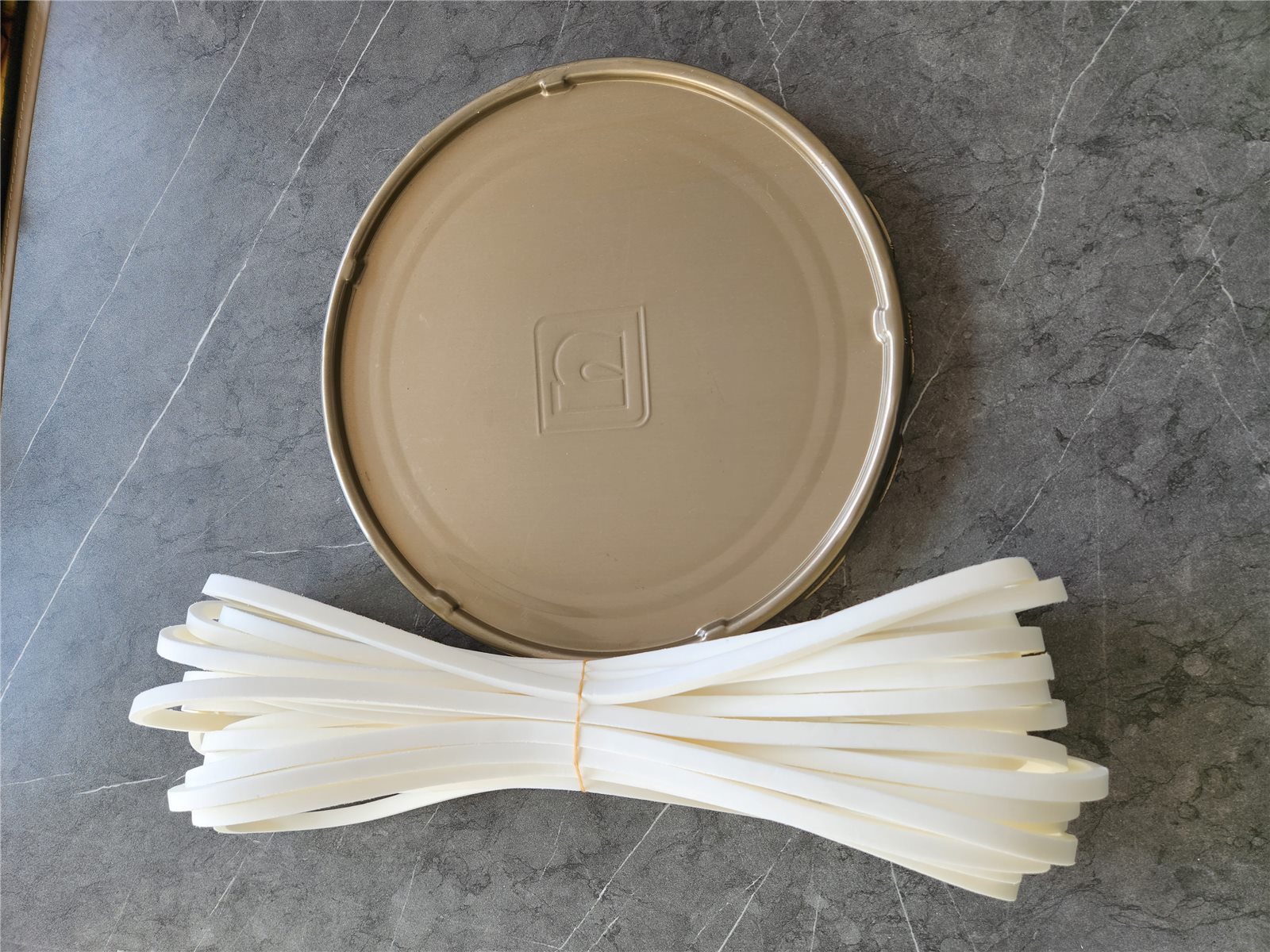
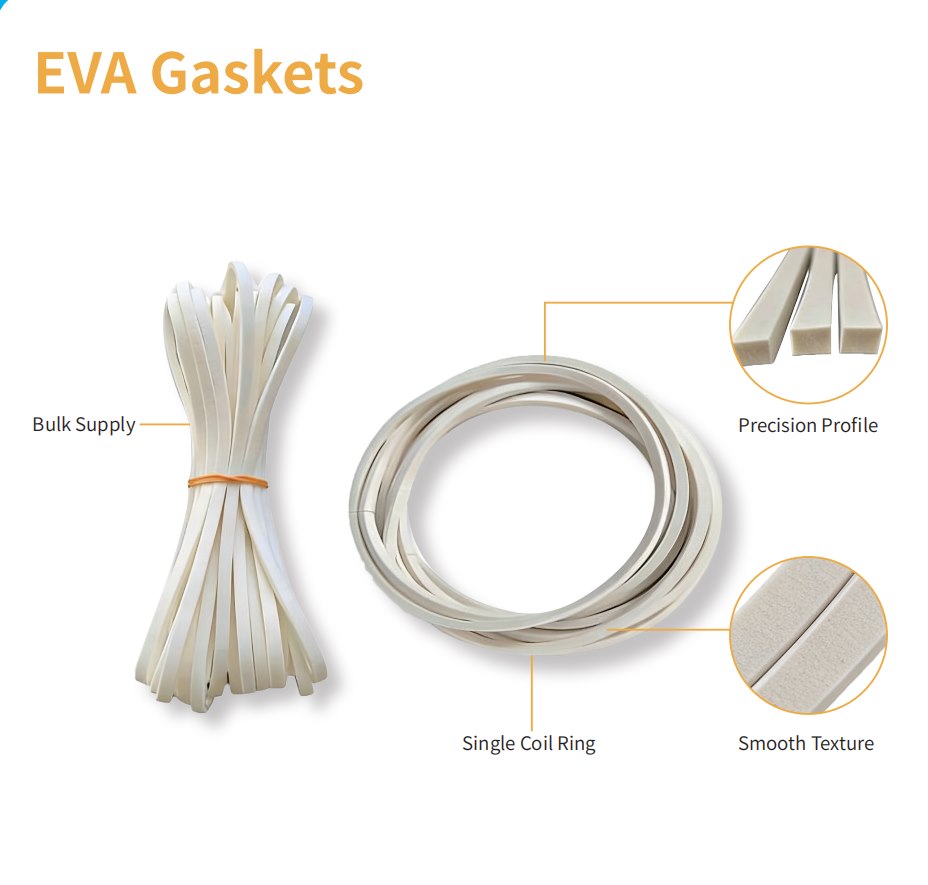
SUPPLY FORM
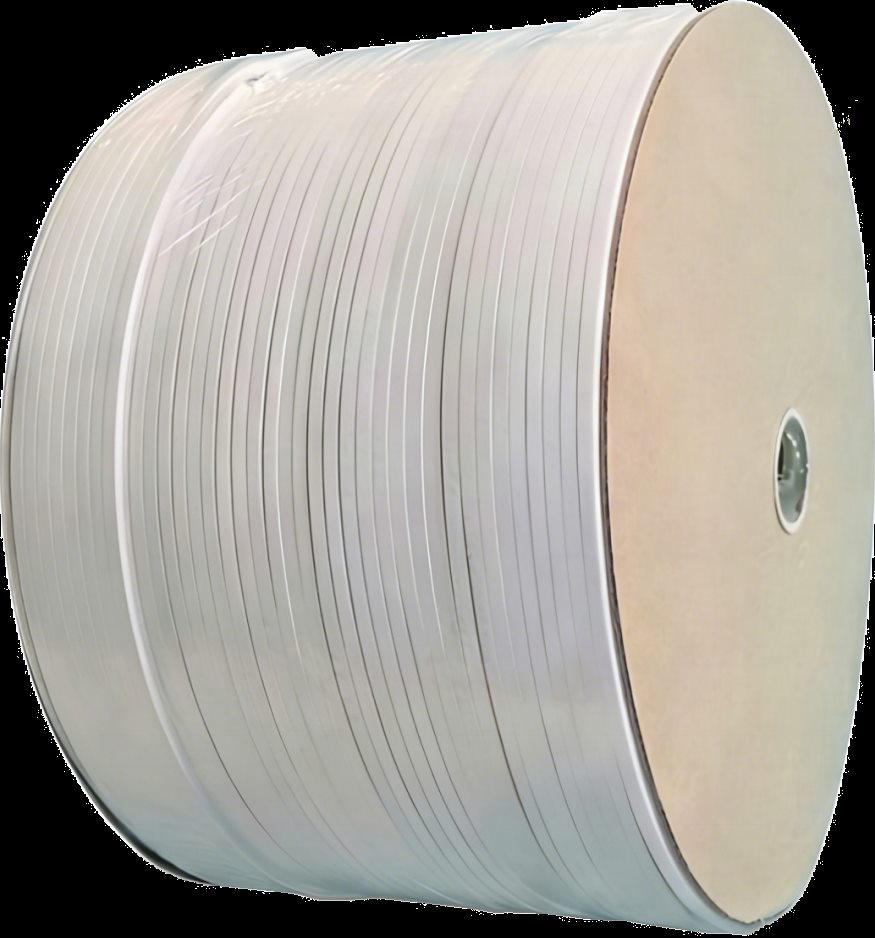
Manual or automatic production
MATERIAL GRADES
Five clearly separated EVA grades
Economy EVA gasket
Asphalt, waterproof coatings and standard lids; recommended stack below 75 kg.
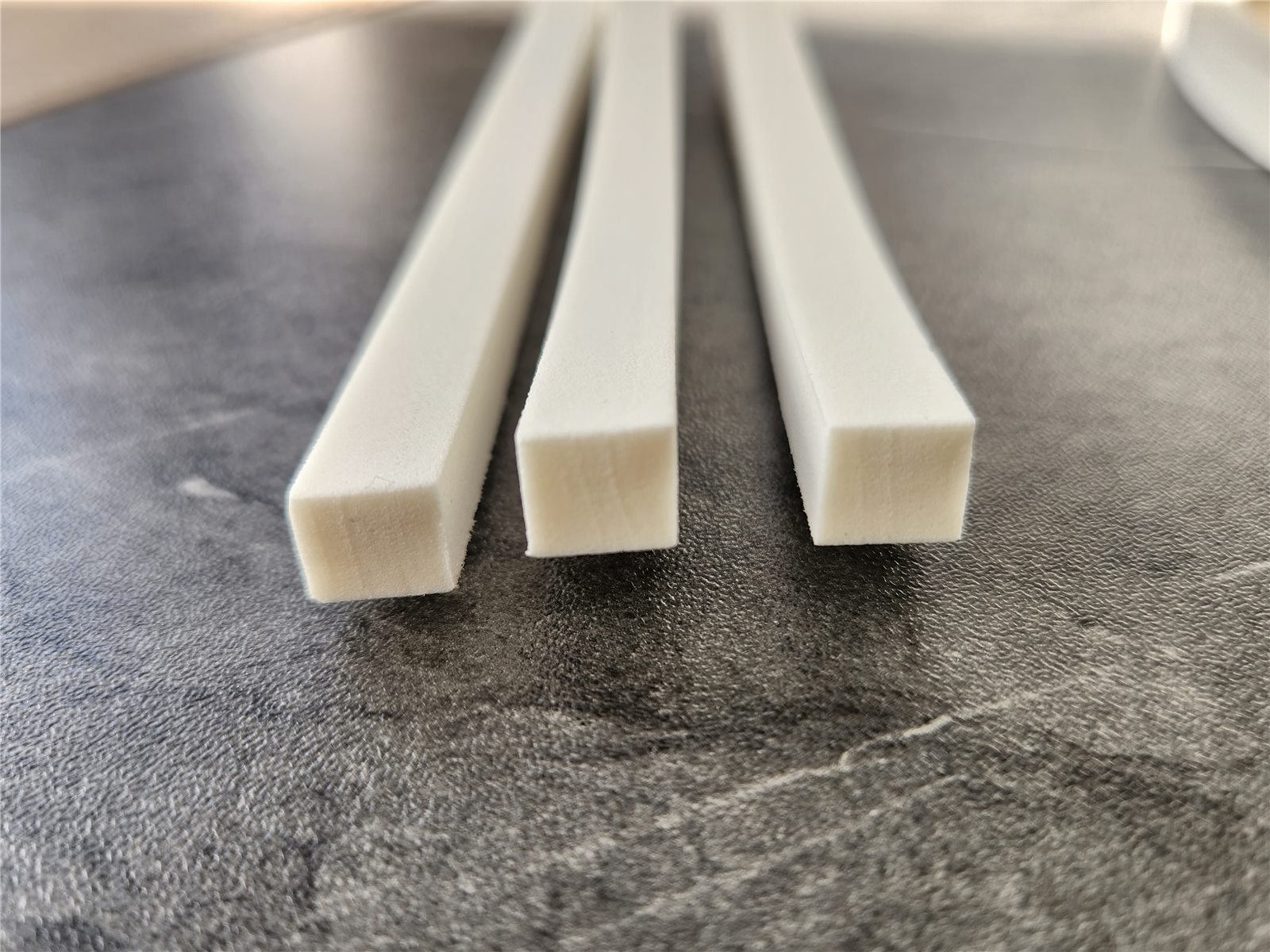
High-density EVA gasket
Engineering coatings and lids requiring a firmer gasket; recommended stack below 125 kg.
Food-grade EVA gasket
Food and general chemical packaging after media and regulatory validation.
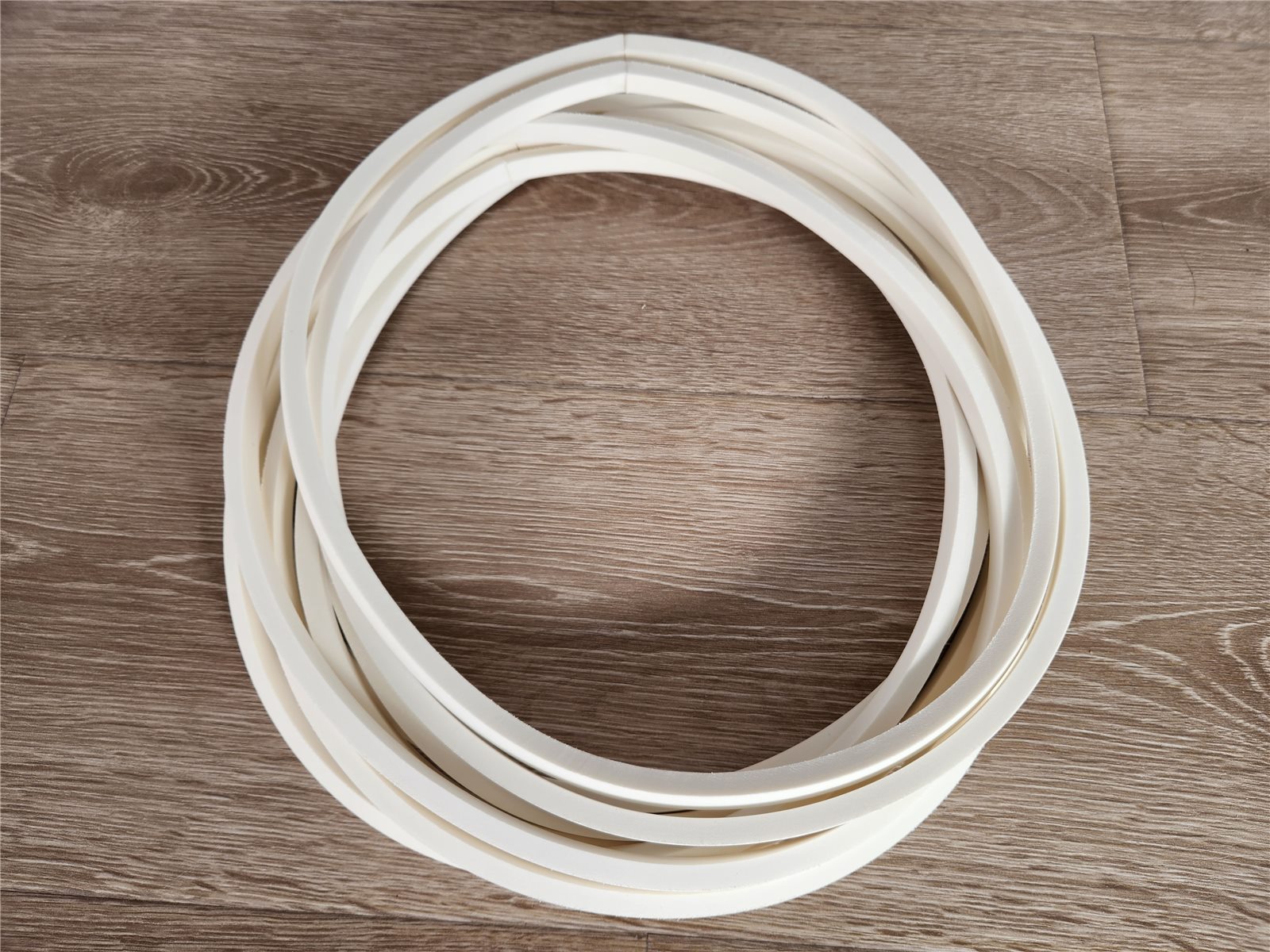
High-elastic food-grade EVA gasket
High rebound, hydraulic testing and demanding food-contact projects after validation.
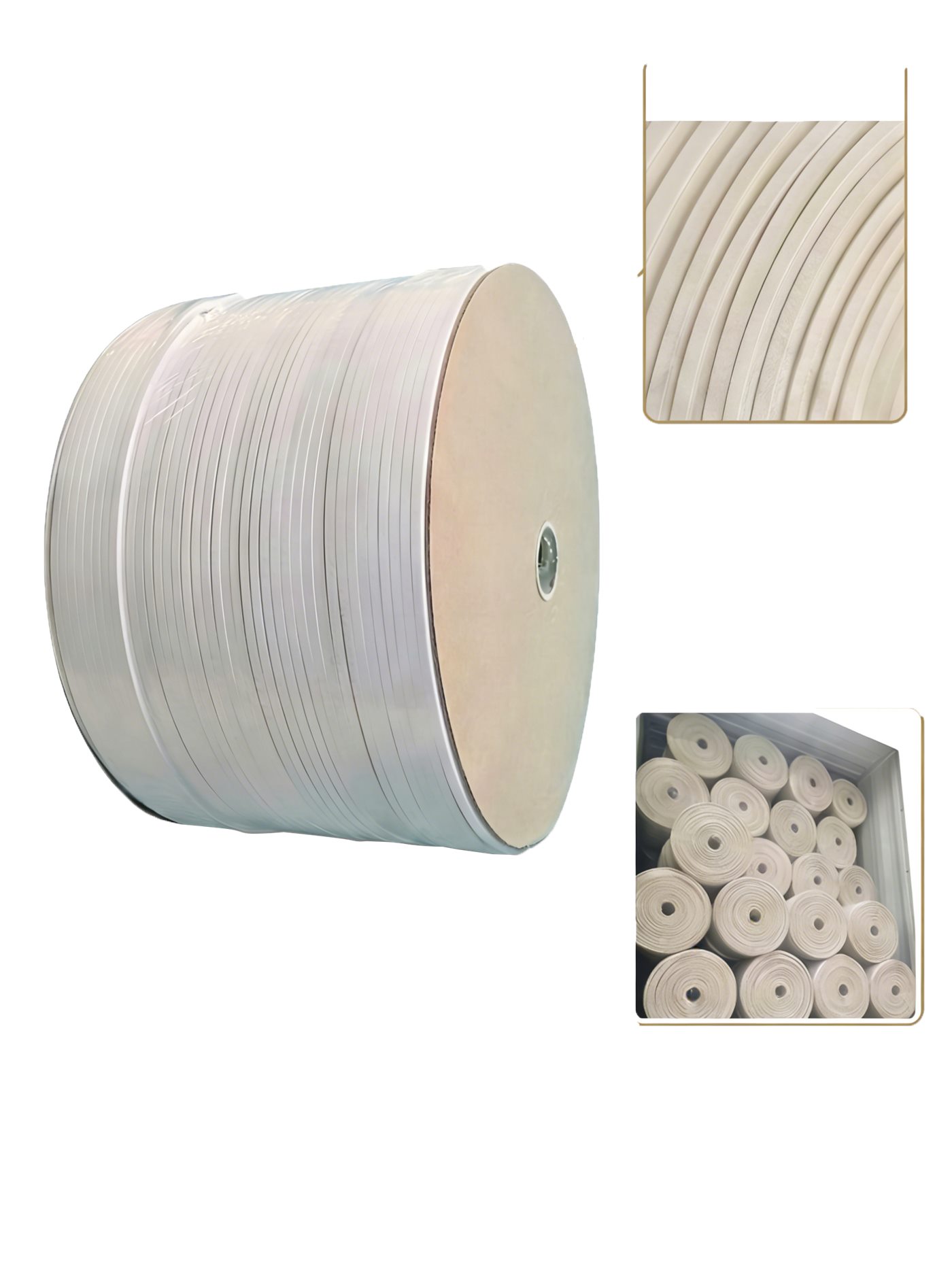
Solvent-resistant EVA gasket
Aggressive solvent and industrial coating applications after compatibility testing.
ENGINEERING SELECTION
Select EVA by production method and filled medium
EVA gaskets for metal pail and drum lids should be selected in two steps. First choose the supply form: pre-cut manual rings for sampling or lower-volume assembly, or continuous roll stock for an automatic gasket lining machine. Then select the material grade from the filled medium, groove geometry, compression target and distribution load.
Density and hardness alone do not determine sealing performance. The same strip can behave differently when the groove width, gasket height, lid curl and closing force change. Jinyu therefore confirms the ring or roll dimensions against the actual lid drawing and recommends a sample sealing, hydraulic or compatibility test before production approval.
| EVA grade | Catalog reference | Typical selection | Approval focus |
|---|---|---|---|
| Economy / general | 85 +/- 5 kg/m3; 40-45 Shore C | Asphalt, waterproof coatings and standard lids; recommended stack below 75 kg. | Compression, lid fit and transport load |
| High-density | >= 125 kg/m3; 50-60 Shore C | Engineering coatings and lids requiring a firmer gasket; recommended stack below 125 kg. | Groove fill, closing force and rebound |
| Food-grade | 85 +/- 5 kg/m3; 40-45 Shore C | Food and general chemical packaging after media and regulatory validation. | Declaration scope, migration and filled medium |
| High-elastic food-grade | 180 +/- 5 kg/m3; 45-50 Shore C | High rebound and demanding food-contact projects after validation. | Hydraulic test, recovery and repeated compression |
| Solvent-resistant | >= 150 kg/m3; 50-60 Shore C | Industrial coatings and aggressive solvent applications after compatibility testing. | Immersion test, swell and sealing retention |
Manual rings or automatic roll stock?
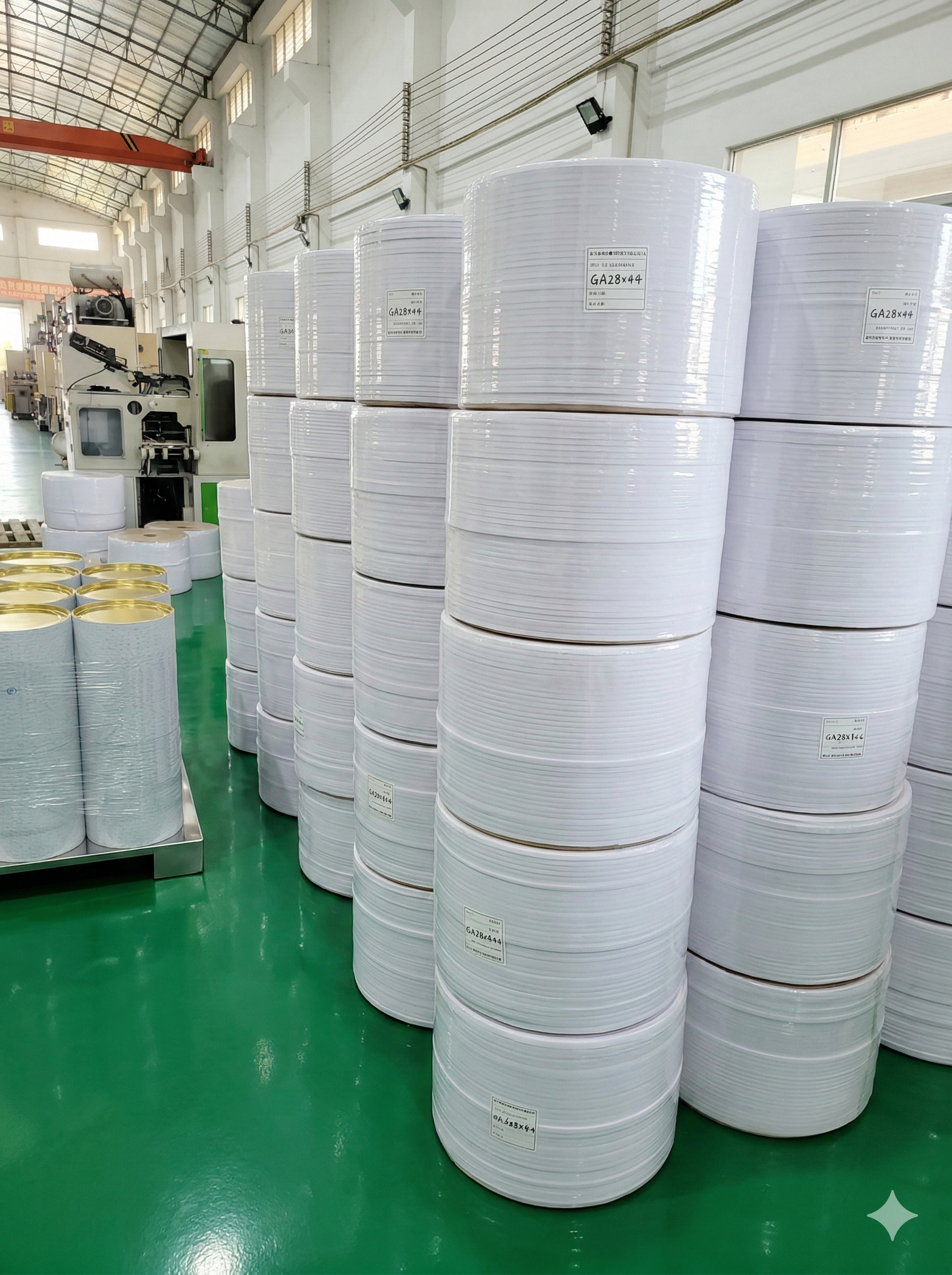
Manual rings are practical for samples, repairs, small batches and projects that have not fixed the final groove. Automatic roll stock is supplied with controlled width, thickness, roll length and core size for stable feeding, cutting and heat-welded joining on a lining machine. All five EVA grades can be evaluated in either supply form, subject to section and equipment confirmation.
Catalog note: Values are typical references, not release specifications. Final approval requires the actual lid, groove, closing process and filled medium.
EVA GASKET FAQ
Questions buyers ask before sampling
What is the difference between a manual EVA ring and EVA roll stock?
A manual ring is pre-cut and joined for direct fitting into a lid groove. Roll stock is a continuous strip for automatic feeding, cutting and heat-welded joining on a gasket lining machine.
Which EVA grade should be used for solvent-based coatings?
Start with the solvent-resistant grade, then verify swelling, compression retention and leakage with the actual coating and lid. A catalog label cannot replace media compatibility testing.
Can food-grade EVA be approved from the TDS alone?
No. The TDS identifies typical material properties. Food-contact suitability must be confirmed for the applicable regulation, filled product, contact conditions and production batch.