
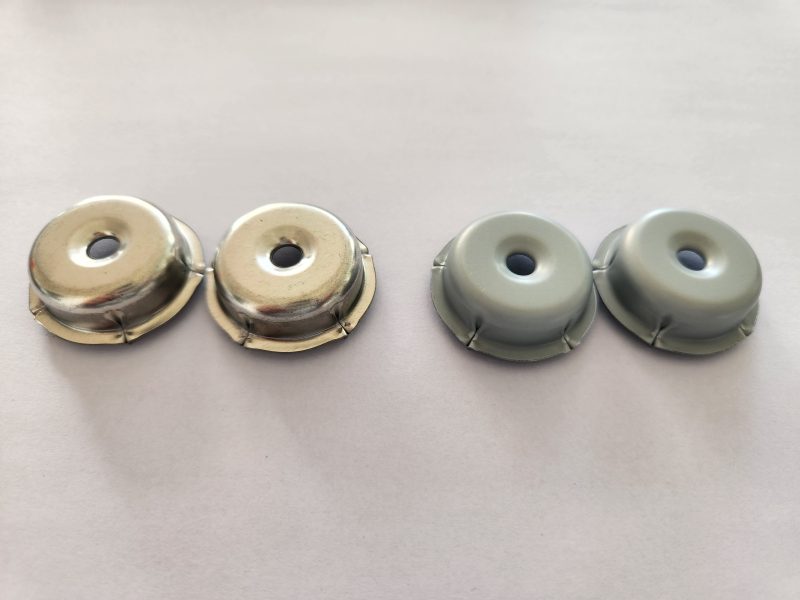
Key Considerations for Selecting Eco-Friendly Gaskets for Paint Containers
When purchasing gaskets for paint containers, prioritizing environmental sustainability requires evaluating material composition, manufacturing processes, and lifecycle impacts. These components, though small, play a critical role in preventing leaks and ensuring product integrity, making their environmental footprint significant. Below are actionable insights to guide eco-conscious decision-making.
Material Composition and Chemical Safety
The primary environmental concern for gasket materials is the presence of toxic substances. Traditional gaskets may contain phthalates, heavy metals, or volatile organic compounds (VOCs), which can leach into paint formulations or surrounding ecosystems. For instance, phthalates like DEHP and BBP, commonly used as plasticizers, are linked to endocrine disruption and water pollution. Opt for gaskets certified to meet standards such as REACH (Registration, Evaluation, Authorisation of Chemicals) or RoHS (Restriction of Hazardous Substances), which prohibit harmful chemicals.
Silicone and expanded polytetrafluoroethylene (ePTFE) are emerging as sustainable alternatives due to their inertness and resistance to chemical degradation. These materials minimize the risk of contaminating paint or emitting harmful byproducts during use or disposal. Additionally, verify that gaskets are free from nonylphenol ethoxylates (NPEs), a class of surfactants banned in many regions due to their persistence and bioaccumulation in aquatic environments.
Manufacturing and Lifecycle Impact
The production process of gaskets contributes to their overall environmental footprint. Look for manufacturers that adopt energy-efficient practices, such as optimizing material formulations to reduce waste or using renewable energy sources. For example, some companies employ closed-loop systems to recycle scrap materials during production, lowering resource consumption.
Durability is another critical factor. High-quality gaskets engineered to withstand extreme temperatures, pressure fluctuations, and chemical exposure require fewer replacements, reducing waste generation. A gasket that lasts twice as long as a conventional option can halve the frequency of disposal and raw material extraction. This longevity aligns with circular economy principles, emphasizing resource efficiency and waste reduction.
Certifications and Compliance Standards
Third-party certifications provide assurance of a gasket’s environmental performance. While brands are not recommended, certifications like Green Seal or EU Ecolabel evaluate products based on lifecycle assessments, including raw material sourcing, energy use, and end-of-life disposal. These labels indicate compliance with stringent criteria, such as low VOC emissions and absence of prohibited chemicals.
For paint containers, certifications may also address packaging sustainability. For instance, recycled content in gasket packaging or biodegradable materials can further reduce environmental impact. Additionally, compliance with regulations like the U.S. Environmental Protection Agency’s (EPA) Toxic Substances Control Act (TSCA) ensures that gaskets meet national safety standards, protecting both human health and ecosystems.
Application-Specific Environmental Factors
The operating environment of paint containers influences gasket selection. For outdoor storage, UV-resistant materials like certain silicones prevent degradation caused by sunlight exposure, extending the gasket’s lifespan. In humid or corrosive settings, gaskets made from stainless steel or PTFE resist rust and chemical breakdown, reducing the need for frequent replacements.
Vibration-dampening gaskets are essential for transporting paint containers, as they prevent leaks caused by mechanical stress. These gaskets often incorporate adhesives or coatings that enhance sealing performance without compromising environmental safety. For example, water-based adhesives are preferable to solvent-based alternatives, which emit higher VOCs.
End-of-Life Disposal and Recycling
The disposal phase of a gasket’s lifecycle is often overlooked but critical for minimizing environmental harm. Choose gaskets made from recyclable materials, such as certain silicones or metals, to facilitate proper waste management. If recycling is not feasible, ensure the gasket is free from toxic components that could contaminate landfills or incinerators.
Some manufacturers offer take-back programs or partnerships with recycling facilities to streamline disposal. Participating in these initiatives ensures gaskets are processed in compliance with environmental regulations, reducing the risk of pollution. Additionally, avoiding gaskets with mixed materials (e.g., rubber-metal hybrids) simplifies recycling, as separating components can be energy-intensive and costly.
By prioritizing material safety, manufacturing efficiency, certifications, application-specific design, and responsible disposal, businesses and consumers can make informed choices that align with global sustainability goals. These considerations not only protect the environment but also contribute to healthier workplaces and communities.