
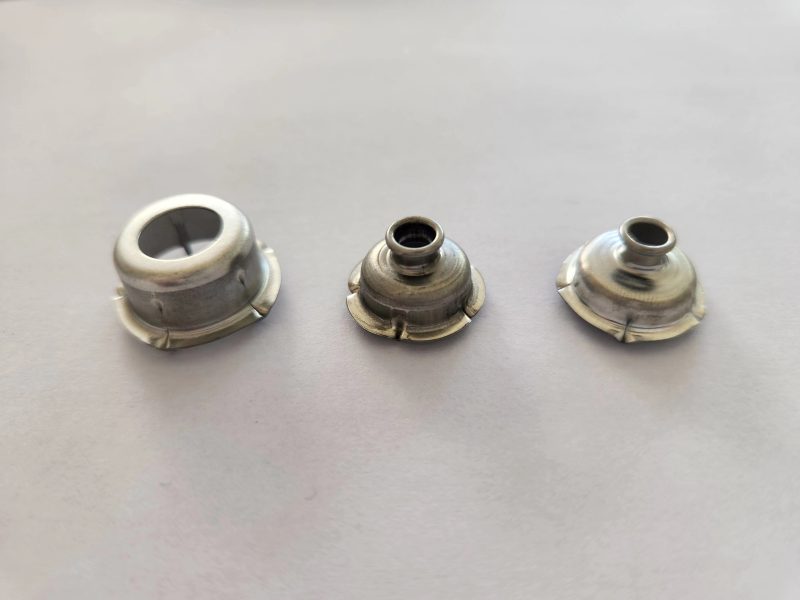
Ultra-Thin Gasket Installation and Protection for Paint Buckets
Ultra-thin gaskets are designed to create a tight seal without adding bulk, making them ideal for paint buckets where space efficiency and precision are critical. However, their minimal thickness requires careful handling to avoid tears, misalignment, or compromised sealing performance. From preparation to post-installation checks, these guidelines ensure the gasket functions effectively while protecting its delicate structure.
Preparing the Bucket and Gasket for Installation
Proper preparation minimizes risks like uneven sealing or premature wear, especially for ultra-thin materials.
Cleaning the Rim and Lid Surface
Dust, paint residue, or old adhesive on the bucket rim can prevent the ultra-thin gasket from adhering correctly. Use a soft, lint-free cloth dampened with isopropyl alcohol to wipe the rim and lid. Avoid abrasive pads or solvents that might scratch the surface or degrade the gasket material. For stubborn residue, let the alcohol sit for a minute before wiping.
Inspecting the Gasket for Damage
Ultra-thin gaskets are prone to nicks or folds during handling. Unroll the gasket gently and lay it flat on a clean surface. Check for creases, cuts, or uneven edges using natural light—imperfections as small as 0.5mm can lead to leaks. If damaged, discard the gasket; attempting to reuse it may compromise the seal.
Ensuring Temperature Stability
Extreme temperatures can warp ultra-thin gaskets. Store the gasket at room temperature (20–25°C) for at least 24 hours before installation. Avoid installing it in cold environments, as the material may become brittle, or in hot areas, where it might stretch. If working in a garage or workshop, use a space heater or fan to regulate the temperature.
Techniques for Aligning and Securing Ultra-Thin Gaskets
Their fragility demands precision to prevent tearing or uneven compression during installation.
Starting Alignment at a Reference Point
Choose a fixed feature, like a bucket handle seam or a printed label, to anchor the gasket’s starting position. This ensures consistent placement as you work around the rim. For circular buckets, align the gasket’s seam (if present) opposite the handle to distribute stress evenly when the lid closes.
Applying Even Pressure Without Overstretching
Ultra-thin gaskets require gentle handling to avoid stretching or tearing. Use a flat-edged tool, such as a plastic spatula or a wooden dowel, to press the gasket into the rim in small sections. Apply light, steady pressure, working from the center outward. Avoid using fingers alone, as uneven force can create wrinkles or gaps.
Managing Overlaps in Non-Circular Buckets
Some paint buckets have square or rectangular rims, requiring the gasket to overlap at corners. Trim the gasket to leave a 2–3mm overlap, then press the ends together firmly. Use a hooked tool, like a dental pick, to tuck the overlap into the rim’s groove (if applicable). Ensure the joint sits flush to prevent leaks.
Protecting Ultra-Thin Gaskets During and After Installation
Their delicate nature makes them vulnerable to damage from tools, environmental factors, or improper storage.
Using Non-Metallic Tools for Adjustments
Metal tools, such as screwdrivers or pliers, can puncture or dent ultra-thin gaskets. Opt for plastic or silicone tools with rounded edges to reposition the gasket if it shifts during installation. If adhesive-backed gaskets are used, avoid touching the adhesive layer with bare hands—oils from skin can reduce bonding strength.
Shielding the Gasket from Direct Sunlight
Prolonged exposure to UV rays can degrade ultra-thin materials, causing them to become brittle or lose elasticity. Store unused gaskets in a dark, cool place, such as a drawer or cabinet. If the bucket must be stored outdoors, cover it with a opaque tarp or move it to a shaded area.
Avoiding Chemical Exposure
Certain chemicals, like solvents or strong cleaners, can react with ultra-thin gasket materials, leading to swelling or disintegration. If the bucket contains paint thinners or acids, choose a gasket labeled “chemical-resistant” and verify compatibility with the specific substance. After cleaning the bucket, ensure no residue remains on the rim before reinstalling the gasket.
Common Issues and Troubleshooting for Ultra-Thin Gaskets
Even with careful installation, problems like leaks or misalignment can occur. Identifying and addressing them quickly preserves the gasket’s integrity.
Addressing Lid Rocking or Uneven Sealing
If the lid rocks when closed, the gasket may be misaligned or overcompressed. Lift the lid and inspect the gasket for wrinkles or gaps. Use a plastic tool to reposition the gasket, pressing it firmly into the rim without stretching. For adhesive-backed gaskets, ensure the bond hasn’t weakened by applying steady pressure to problem areas.
Fixing Air Leaks Around the Rim
Hissing sounds or light leaks indicate incomplete sealing. Shine a flashlight along the edge of the lid in a dark room—gaps will appear as streaks of light. To resolve this, tighten the lid slightly or reposition the gasket. If the gasket is adhesive-backed, press down on the leaky section for 10–15 seconds to reinforce the bond.
Preventing Gasket Tears During Removal
If the gasket needs to be removed (e.g., for bucket reuse), peel it back slowly using a plastic scraper. Avoid pulling sharply, as this can tear the material. If the gasket sticks, apply heat with a hairdryer (on low setting) to soften the adhesive, then gently lift it away. Discard torn gaskets; they cannot be reused effectively.
By following these steps, ultra-thin gaskets can provide a reliable, space-efficient seal for paint buckets. Attention to alignment, gentle handling, and protection from environmental factors ensure longevity and performance, even in demanding conditions.