
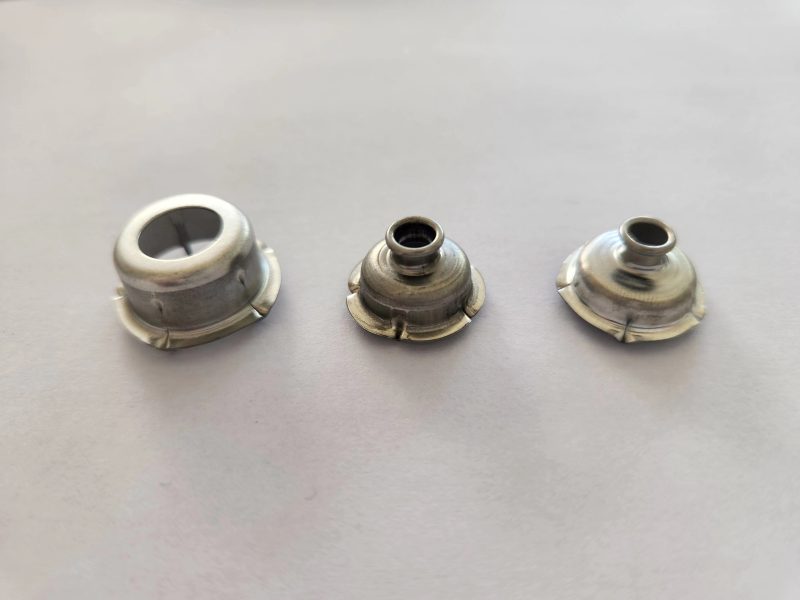
Proper Storage and Maintenance of Paint Bucket Gaskets in Sealed Bags
Paint bucket gaskets play a vital role in preventing paint leakage and maintaining the quality of the stored paint. Storing these gaskets in sealed bags is an effective way to protect them from environmental factors that can cause deterioration. Here’s a detailed guide on how to properly store and maintain paint bucket gaskets in sealed bags.
Choosing the Right Sealed Bags
Material Considerations
When selecting sealed bags for storing paint bucket gaskets, the material is of utmost importance. Opt for bags made from materials that offer good barrier properties against moisture, air, and light. Polyethylene and polypropylene are common choices as they are relatively inexpensive, durable, and can effectively block out many environmental elements. These materials help create a stable micro – environment inside the bag, reducing the risk of the gaskets being affected by external factors.
Size and Fit
The size of the sealed bag should be appropriate for the paint bucket gaskets. It should be large enough to comfortably fit the gaskets without being overly spacious. A bag that is too large may allow the gaskets to move around inside, potentially causing damage during storage. On the other hand, a bag that is too small can compress the gaskets, leading to deformation over time. Measure the dimensions of the gaskets and choose a bag that provides a snug but not tight fit.
Seal Quality
A high – quality seal is essential to ensure that the bag effectively protects the gaskets. Look for bags with reliable sealing mechanisms, such as zip – lock or heat – seal options. Zip – lock bags are convenient for frequent access, as they can be easily opened and closed. Heat – seal bags, on the other hand, offer a more permanent and airtight seal, which is ideal for long – term storage. Check the seal regularly to make sure it is intact and functioning properly.
Preparing Gaskets for Storage
Cleaning the Gaskets
Before placing the paint bucket gaskets in the sealed bags, it’s crucial to clean them thoroughly. Use a mild soap and water solution to remove any paint residue, dirt, or chemicals that may have accumulated on the surface of the gaskets. Gently scrub the gaskets with a soft cloth or sponge to avoid damaging the material. Rinse the gaskets with clean water to remove all traces of soap, and then allow them to air dry completely. Moisture trapped inside the sealed bag can lead to mold growth and accelerate the degradation of the gaskets.
Inspecting for Damage
Perform a detailed visual inspection of the gaskets to check for any signs of damage. Look for cracks, tears, or cuts on the surface, as well as any deformation or discoloration. Even minor damage can compromise the sealing ability of the gaskets over time. If you find any damaged gaskets, set them aside for repair or replacement. It’s better to store only undamaged gaskets in the sealed bags to ensure their long – term effectiveness.
Organizing the Gaskets
If you have multiple paint bucket gaskets of different sizes or types, consider organizing them before placing them in the sealed bags. You can use small dividers or separate compartments within the bag to keep the gaskets organized. This makes it easier to find the specific gasket you need when you retrieve them from storage and also helps prevent the gaskets from rubbing against each other, which could cause damage.
Storing the Sealed Bags
Temperature Control
The storage temperature has a significant impact on the lifespan of the paint bucket gaskets stored in sealed bags. Ideally, store the bags in a cool, dry place with a stable temperature. Extreme temperatures, whether high or low, can cause the gasket material to expand or contract, leading to stress and potential cracking. A temperature range between 50°F and 80°F (10°C – 27°C) is generally suitable for most gasket materials. Avoid storing the bags near heat sources such as radiators, ovens, or in direct sunlight, as high temperatures can accelerate the aging process of the gaskets.
Humidity Management
High humidity levels can create a damp environment inside the sealed bags, which is conducive to mold and mildew growth. These microorganisms can damage the gasket material and reduce its effectiveness. To manage humidity, you can place moisture – absorbing packets, such as silica gel, inside the sealed bags. These packets will help absorb excess moisture and keep the environment dry. Replace the moisture – absorbing packets regularly according to the manufacturer’s instructions to ensure their continued effectiveness.
Light Protection
Exposure to light, especially ultraviolet (UV) rays, can break down the chemical bonds in the gasket material, causing it to become brittle and lose its elasticity. To protect the gaskets from light, store the sealed bags in a dark place, such as a cabinet or a storage room without windows. If you must store the bags in a location with natural light, use opaque containers or cover the bags with a light – blocking material to prevent UV rays from reaching the gaskets.
Regular Check – ups and Maintenance
Visual Inspection of Bags
Periodically inspect the sealed bags for any signs of damage or wear. Check the seal to make sure it is still intact and airtight. Look for any holes, tears, or punctures in the bag material that could allow air, moisture, or contaminants to enter. If you find any damage to the bag, transfer the gaskets to a new, undamaged bag immediately to prevent further deterioration.
Gasket Condition Assessment
In addition to checking the bags, also assess the condition of the paint bucket gaskets inside. Look for any changes in shape, color, or texture that may indicate aging or damage. If you notice any issues with the gaskets, take appropriate action, such as cleaning them again, repairing minor damage, or replacing severely damaged gaskets. Regular assessment helps ensure that the gaskets are in good condition and ready for use when needed.
Rotation of Stock
If you have a large number of paint bucket gaskets stored in sealed bags, consider implementing a stock rotation system. Use the gaskets that have been stored the longest first, and place newly cleaned and inspected gaskets at the back of the storage area. This helps ensure that all gaskets are used within a reasonable time frame and reduces the risk of having gaskets that have been stored for too long and may have deteriorated.