
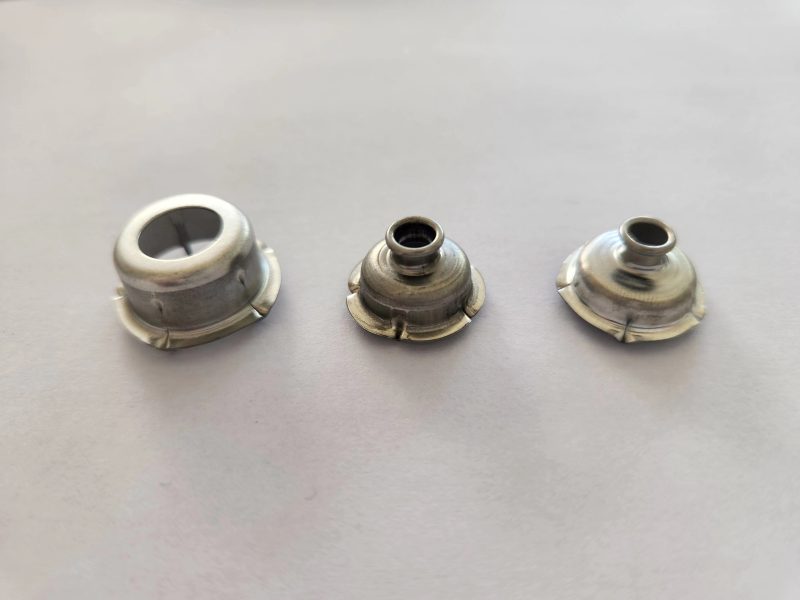
Standard Bore Paint Bucket Gasket Specifications: A Comprehensive Guide
When it comes to ensuring a secure and leak-proof seal for paint buckets, selecting the right gasket is crucial. Standard bore paint bucket gaskets are designed to fit specific bucket sizes, providing an effective barrier against paint leakage. This guide explores the key specifications to consider when choosing a gasket for a standard bore paint bucket.
Understanding Standard Bore Sizes
Standard bore sizes refer to the inner diameter of the paint bucket’s opening. These sizes are typically standardized to ensure compatibility with various gasket types. Common standard bore sizes for paint buckets range from small diameters, suitable for quart-sized containers, to larger diameters for gallon-sized or industrial-sized buckets.
Inner Diameter Considerations
The inner diameter of the gasket must match the inner diameter of the paint bucket’s opening. A gasket that is too small may not provide adequate coverage, leading to potential leaks. Conversely, a gasket that is too large may not fit properly, causing misalignment and compromising the seal. It is essential to measure the inner diameter of the bucket accurately and select a gasket that corresponds to this measurement.
Gasket Material Selection
The material of the gasket plays a significant role in its performance and durability. Different materials offer varying levels of resistance to chemicals, temperature extremes, and compression.
Non-Metallic Gaskets
Non-metallic gaskets, such as those made from rubber or silicone, are popular choices for paint bucket applications. These materials are flexible and can conform to irregularities in the sealing surface, providing an effective barrier against leaks. Rubber gaskets, in particular, are known for their good sealing properties and ability to withstand a wide range of temperatures. Silicone gaskets offer excellent resistance to chemicals and high temperatures, making them suitable for use with various types of paint.
Semi-Metallic and Metallic Gaskets
For applications where higher pressure or temperature resistance is required, semi-metallic or metallic gaskets may be more appropriate. Semi-metallic gaskets combine the benefits of metallic and non-metallic materials, offering improved strength and heat resistance. Metallic gaskets, such as those made from stainless steel or aluminum, provide excellent durability and can withstand extreme conditions. However, they may require higher clamping forces to achieve a proper seal.
Gasket Thickness and Width
In addition to inner diameter and material, the thickness and width of the gasket are also important considerations. The thickness of the gasket affects its ability to compress and form a tight seal. A thicker gasket may provide better sealing performance in applications where higher pressure is present. However, it is essential to ensure that the gasket is not too thick, as this could make it difficult to install or remove.
Width Considerations
The width of the gasket determines its contact area with the sealing surface. A wider gasket can distribute pressure more evenly, reducing the risk of leaks. However, the width must be balanced with the need for a compact design, especially in applications where space is limited. It is important to select a gasket width that provides adequate coverage without interfering with the bucket’s lid or other components.
Application-Specific Considerations
When selecting a gasket for a standard bore paint bucket, it is also essential to consider the specific application requirements. Factors such as the type of paint being stored, the expected temperature range, and the frequency of use can all impact the choice of gasket material and design.
Chemical Resistance
Different types of paint contain various chemicals that can affect the performance of the gasket. It is crucial to select a gasket material that is resistant to the specific chemicals present in the paint to prevent degradation and ensure a long-lasting seal.
Temperature Resistance
The temperature range that the paint bucket will be exposed to is another important consideration. Some gasket materials may become brittle or lose their elasticity at low temperatures, while others may soften or deform at high temperatures. Selecting a gasket material that can withstand the expected temperature range is essential for maintaining a reliable seal.