
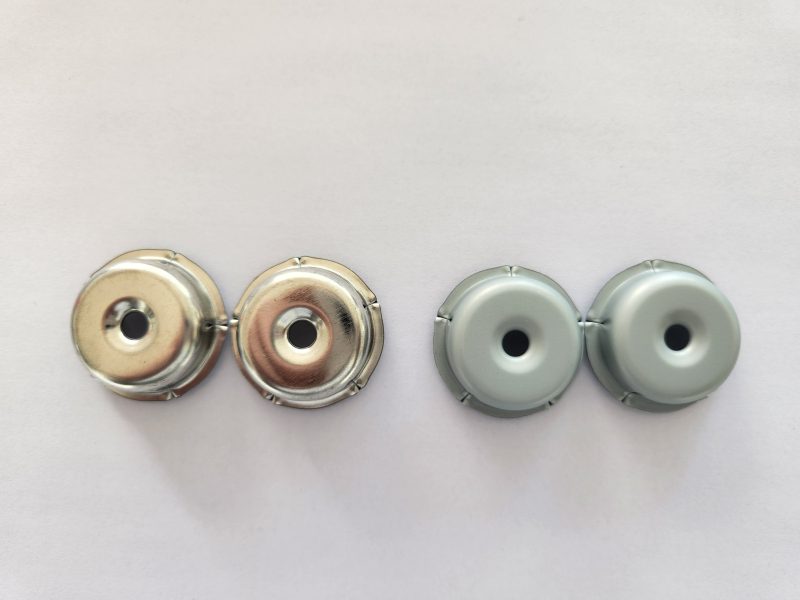
Choosing Paint Bucket Gaskets Based on Material Compatibility
Selecting the right gasket material for a paint bucket is critical to ensuring a secure, leak-proof seal that protects the contents from contamination, evaporation, and chemical reactions. The gasket must withstand the specific properties of the paint, including solvents, pigments, and additives, as well as environmental factors like temperature and humidity. This guide explores key considerations for evaluating material compatibility, helping you make an informed decision without relying on brand-specific recommendations.
Understanding Common Gasket Materials and Their Properties
Different materials offer distinct advantages and limitations when used as paint bucket gaskets. Knowing their characteristics helps narrow down options based on your needs.
Rubber Gaskets: Flexibility vs. Chemical Sensitivity
Rubber is a popular choice due to its flexibility and affordability. Natural rubber, for example, provides excellent elasticity but may degrade when exposed to oils or solvents commonly found in paints. Synthetic rubbers like nitrile or neoprene offer improved resistance to oils and chemicals, making them suitable for solvent-based paints. However, even synthetic rubbers can weaken over time if exposed to prolonged sunlight or extreme temperatures. When considering rubber gaskets, assess the paint’s solvent content and storage conditions to avoid premature failure.
Silicone Gaskets: High-Temperature and Chemical Resistance
Silicone gaskets excel in environments with extreme temperatures, as they remain stable from freezing cold to high heat. They also resist many chemicals, including acids, bases, and solvents, making them ideal for storing paints with aggressive ingredients. Silicone’s non-reactive nature prevents it from absorbing odors or flavors, which is beneficial for paints with sensitive formulations. However, silicone can be more expensive than rubber and may lack the same level of elasticity, requiring precise sizing to ensure a proper seal.
Plastic Gaskets: Durability and Cost-Effectiveness
Plastic gaskets, such as those made from polyethylene (PE) or polypropylene (PP), are durable and cost-effective. PE is resistant to moisture and chemicals, while PP offers higher heat resistance. These materials are less flexible than rubber or silicone, so they work best with smooth, uniform rims where a tight fit can be achieved. Plastic gaskets may crack under excessive pressure or repeated bending, so they’re better suited for static storage applications rather than frequent handling. If the paint contains strong solvents, verify that the plastic won’t soften or dissolve over time.
Assessing Chemical Compatibility with Paint Components
The gasket material must not react with the paint’s ingredients to maintain its sealing performance and prevent contamination.
Identifying Key Paint Components That Affect Compatibility
Paints typically contain solvents (such as mineral spirits or acetone), pigments (like titanium dioxide or iron oxide), and additives (including thickeners or anti-foaming agents). Each component can interact differently with gasket materials. For instance, solvent-based paints may dissolve rubber gaskets over time, while water-based paints are generally less aggressive but can still cause swelling if the gasket isn’t water-resistant. Analyze the paint’s label or safety data sheet (SDS) to identify its primary components and their concentrations.
Conducting Simple Compatibility Tests with Sample Materials
Before committing to a large order, test small samples of gasket materials with the paint. Cut a piece of the gasket and submerge it in the paint for 24–48 hours, then check for signs of degradation, such as swelling, cracking, or discoloration. Alternatively, wipe the gasket with a cloth soaked in the paint’s main solvent to see if it absorbs or breaks down. If the material remains unchanged, it’s likely compatible. For a more thorough test, expose the gasket to the paint in a controlled environment that mimics storage conditions (e.g., temperature and humidity levels).
Considering Long-Term Exposure Effects
Even if a material passes initial compatibility tests, long-term exposure to paint components can lead to gradual degradation. For example, a gasket may resist a solvent for a few days but become brittle or lose elasticity after months of contact. If the paint will be stored for extended periods, prioritize materials with proven long-term stability, such as silicone or high-grade synthetic rubbers. Ask the gasket supplier about their material’s expected lifespan when exposed to similar paint formulations.
Environmental and Storage Conditions Impact on Material Choice
The environment where the paint bucket is stored and used influences the gasket’s performance and durability.
Temperature Extremes and Their Effects on Gasket Materials
Paint buckets may be stored in warehouses without climate control, exposed to freezing temperatures in winter or scorching heat in summer. Rubber gaskets can become stiff and brittle in cold conditions, losing their ability to seal properly, while silicone remains flexible across a wider temperature range. Plastic gaskets may warp or crack under extreme heat. If the storage environment experiences significant temperature fluctuations, choose a material that maintains its properties consistently, such as silicone or a temperature-resistant synthetic rubber.
Humidity and Moisture Resistance Requirements
High humidity can cause some gasket materials to absorb moisture, leading to swelling or mold growth. Rubber and silicone are generally moisture-resistant, but lower-quality rubbers may develop mold over time. Plastic gaskets like PE or PP are non-porous and resist moisture absorption, making them suitable for humid environments. If the paint is water-based or stored in a damp area, ensure the gasket won’t degrade or lose its seal due to moisture exposure.
UV Exposure and Lightfastness of Gasket Materials
Paint buckets stored outdoors or near windows may be exposed to ultraviolet (UV) light, which can degrade certain materials. Natural rubber and some plastics are particularly vulnerable to UV damage, becoming brittle or discolored over time. Silicone and certain synthetic rubbers are more UV-resistant, retaining their flexibility and appearance even after prolonged exposure. If UV exposure is a concern, look for materials with added UV stabilizers or choose those known for their lightfastness.
By carefully evaluating gasket materials based on their properties, chemical compatibility, and environmental resilience, you can select a solution that ensures a reliable, long-lasting seal for your paint buckets. This approach minimizes the risk of leaks, contamination, and product waste, protecting both your inventory and reputation.