
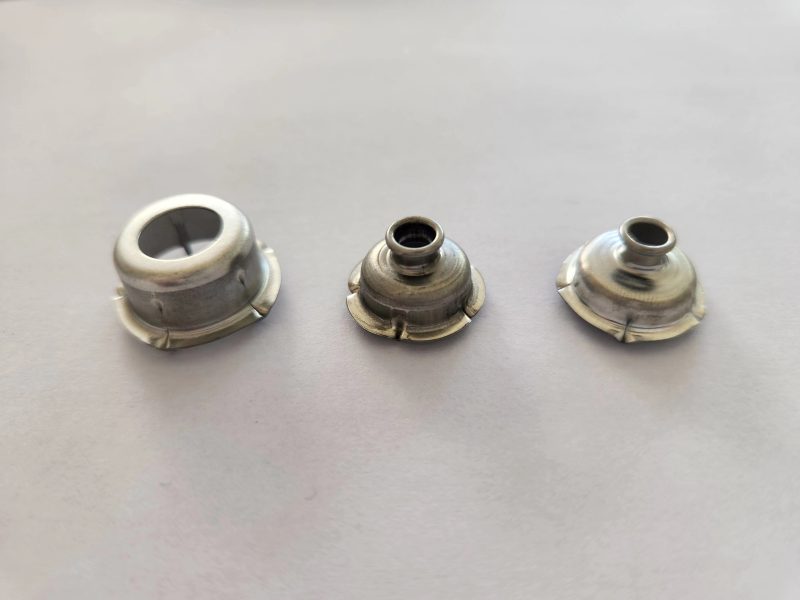
How to Select Odor-Free Gaskets for Paint Buckets: A Comprehensive Guide
When storing paints, solvents, or industrial coatings, the choice of gasket material for container lids plays a critical role in preventing chemical contamination, ensuring safety, and maintaining product integrity. Unlike standard seals, specialized gaskets for paint buckets must resist aggressive chemicals, withstand temperature fluctuations, and remain free from odors that could alter the stored substances. This guide outlines key factors to consider when selecting odor-free gaskets for paint storage containers.
Chemical Compatibility: The Foundation of Safe Storage
Paints and coatings often contain volatile organic compounds (VOCs), acids, alkalis, or solvents like acetone, toluene, or xylene. These substances can degrade gasket materials over time, leading to leaks, odors, or chemical reactions.
Understanding Material Resistance
- Synthetic Rubbers: Materials like chloroprene (neoprene) resist moderate acids, alkalis, and salt solutions but perform poorly against strong oxidizing agents or chlorinated hydrocarbons. Their temperature range typically spans from -50°C to 120°C, making them suitable for indoor storage but less ideal for extreme environments.
- Fluoropolymers (PTFE): PTFE gaskets excel in harsh conditions, withstanding temperatures from -200°C to 250°C and pressures up to 80 bar. They resist most chemicals, including strong acids, bases, and solvents, making them a top choice for industrial-grade paint storage.
- Fiber-Based Materials: Fiber-reinforced gaskets, such as those with aramid or glass fibers, offer high-temperature resistance (up to 400°C) and chemical stability against oils, fuels, and mild acids. However, they may absorb moisture, which could introduce odors if not properly coated.
Avoiding Cross-Contamination
Gaskets must also resist cleaning agents, lubricants, or ambient contaminants near storage areas. For example, a gasket exposed to diesel fuel during transportation should not react with paint thinners stored nearby. Always verify compatibility with all potential contact media, not just the primary stored substance.
Temperature and Pressure Tolerance: Ensuring Long-Term Performance
Paint storage environments often involve temperature swings, from cold warehouses to heated application areas. Gaskets must maintain elasticity and sealing properties across these ranges to prevent leaks or odor emission.
Temperature Extremes
- Cold Resistance: Some rubber gaskets become brittle below -50°C, risking cracks that allow odors to escape. Silicone-based alternatives remain flexible at lower temperatures but may have lower chemical resistance.
- Heat Resistance: High-temperature applications, such as storage near drying ovens, demand materials like PTFE or graphite, which retain stability up to 250°C or higher.
Pressure Handling
Paint buckets may experience internal pressure changes due to temperature shifts or chemical reactions. Gaskets must compress sufficiently to seal under load without creeping or relaxing over time. For example, a 20-liter bucket storing volatile solvents might require a gasket with low creep relaxation (ASTM F-38B) to maintain a tight seal during pressure fluctuations.
Odor Control: Beyond Material Selection
Even chemically resistant gaskets can emit odors if improperly manufactured or contaminated. To ensure odor-free performance:
Manufacturing Processes
- Purity of Raw Materials: High-quality gaskets use virgin polymers or fibers free from additives that could off-gas. Recycled materials may introduce impurities, leading to unwanted odors.
- Curing and Finishing: Proper curing eliminates residual solvents or monomers that could evaporate over time. Some gaskets undergo post-curing treatments to reduce volatile emissions.
Surface Treatments
Coatings or surface treatments can enhance odor resistance. For instance, a PTFE gasket with a non-porous finish minimizes absorption of odorous chemicals, while a silicone gasket with a food-grade coating ensures safety for sensitive applications.
Storage and Handling
Gaskets should be stored in clean, dry environments away from direct sunlight or chemicals. Exposure to UV light or ozone can degrade certain materials, leading to brittleness or odor generation. Additionally, avoid stacking heavy objects on gaskets, which could deform them and compromise sealing ability.
Application-Specific Considerations
The intended use of the paint bucket influences gasket selection. For example:
- Industrial Coatings: Storage of epoxy resins or polyurethane coatings requires gaskets resistant to amines and isocyanates, which can corrode standard rubbers.
- Architectural Paints: Water-based paints may not demand the same chemical resistance as solvent-based ones but still require gaskets that won’t absorb moisture or support mold growth.
- Transportation: Buckets shipped long distances may experience vibration or pressure changes, necessitating gaskets with high compressibility and recovery (ASTM F-36J) to maintain seals.
By prioritizing chemical compatibility, temperature and pressure tolerance, odor control, and application-specific needs, you can select gaskets that ensure safe, odor-free storage of paints and coatings. Always consult material data sheets and conduct compatibility tests with stored substances to verify performance in real-world conditions.