
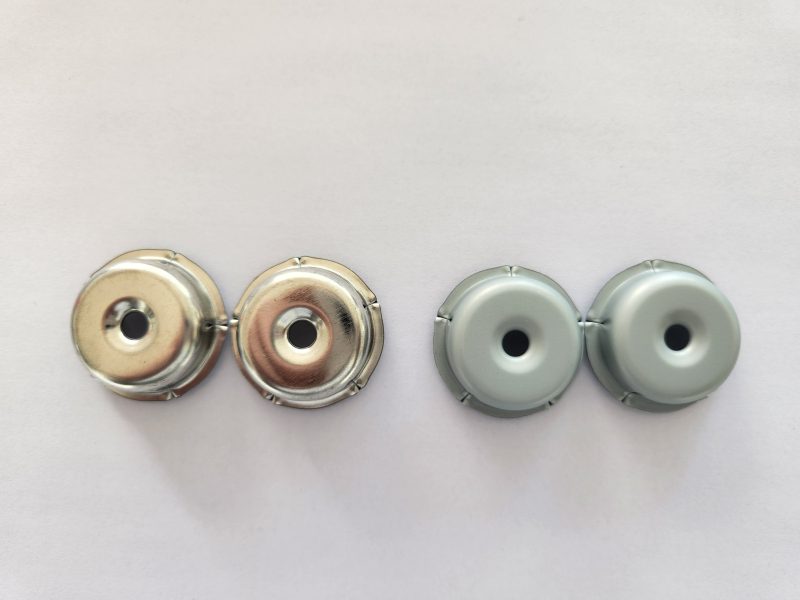
Key Factors to Consider When Selecting Wear-Resistant Gaskets for Paint Containers
Paint containers are subjected to frequent opening, closing, and handling, which subjects their gaskets to constant friction and mechanical stress. Wear-resistant gaskets are essential to maintain a reliable seal over time, preventing leaks and contamination. This guide explores the critical aspects of identifying and selecting gaskets with superior wear resistance for paint storage applications.
Material Selection for Enhanced Durability
The choice of gasket material directly impacts its ability to withstand wear and tear. Certain polymers and elastomers are inherently more resistant to abrasion, friction, and repeated compression cycles, making them ideal for high-wear scenarios.
Hardness and Abrasion Resistance
Gasket materials vary in hardness, measured on the Shore durometer scale. Harder materials, such as certain grades of nitrile rubber (NBR) or fluorocarbon rubber (FKM), offer greater resistance to abrasion and surface wear. These materials are less likely to develop grooves or tears when subjected to repeated contact with container lids or rough surfaces.
For example, a gasket used in a paint bucket that is frequently opened and closed by hand would benefit from a material with a Shore A hardness in the range of 70-90. This level of hardness provides a balance between flexibility and durability, ensuring the gasket maintains its shape while resisting wear.
Elasticity and Recovery After Compression
While hardness is important, elasticity is equally crucial for wear resistance. A gasket must be able to deform under pressure and return to its original shape without taking a permanent set. Materials with high elasticity, such as silicone or certain thermoplastic elastomers (TPEs), excel in this regard.
Silicone gaskets, for instance, can withstand thousands of compression cycles without losing their sealing properties. Their ability to recover quickly after being compressed ensures a consistent seal, even after repeated use. This makes silicone an excellent choice for reusable paint containers that undergo frequent handling.
Chemical Interaction and Wear Acceleration
Certain paint components, such as solvents or pigments, can interact with gasket materials and accelerate wear. For example, aggressive solvents may soften or swell some elastomers, reducing their abrasion resistance. It’s essential to select a gasket material that is chemically compatible with the paint formulation to prevent premature wear.
Fluorocarbon rubber (FKM) is known for its excellent chemical resistance, making it suitable for use with a wide range of paints, including those containing harsh solvents. Its resistance to chemical attack helps maintain its physical properties, ensuring long-term wear resistance even in challenging environments.
Surface Characteristics and Friction Management
The surface texture and finish of a gasket play a significant role in its wear performance. Smooth, low-friction surfaces reduce the amount of energy required to move the gasket relative to the container, minimizing wear over time.
Surface Smoothness and Coating Applications
A gasket with a smooth surface is less likely to experience friction-induced wear compared to one with a rough or textured finish. Smooth surfaces create less resistance during opening and closing, reducing the likelihood of surface damage. Additionally, some gaskets are coated with low-friction materials, such as polytetrafluoroethylene (PTFE), to further enhance their wear resistance.
PTFE coatings provide a slick, non-stick surface that reduces friction and prevents paint buildup on the gasket. This not only extends the gasket’s lifespan but also makes it easier to clean and maintain, ensuring consistent sealing performance.
Edge Design and Stress Distribution
The design of a gasket’s edges can influence how wear is distributed across its surface. Rounded or beveled edges help distribute compression forces evenly, reducing stress concentrations that could lead to cracking or premature wear. Sharp edges, on the other hand, are more prone to damage and may create high-stress points that accelerate wear.
For example, a gasket with a chamfered edge design will experience less wear at the corners compared to one with a square edge. This design feature ensures the gasket maintains its integrity even after repeated use, providing a reliable seal throughout its service life.
Embedded Reinforcements for Added Strength
Some gaskets incorporate embedded reinforcements, such as fabric or metal inserts, to enhance their wear resistance and structural integrity. These reinforcements help distribute stress more evenly across the gasket, preventing localized wear and tear.
Fabric-reinforced gaskets, for instance, are commonly used in applications where high mechanical stress is expected. The fabric layer provides additional strength and resistance to tearing, while the elastomer material ensures flexibility and sealing performance. This combination makes fabric-reinforced gaskets ideal for heavy-duty paint containers that undergo frequent handling.
Testing and Validation of Wear Performance
Before selecting a gasket for a paint container, it’s important to verify its wear resistance through testing and validation. This ensures the gasket will perform as expected under real-world conditions and meet the application’s durability requirements.
Accelerated Wear Testing Methods
Manufacturers often conduct accelerated wear tests to simulate long-term use in a controlled environment. These tests may involve subjecting the gasket to repeated compression cycles, abrasion tests, or exposure to chemicals to evaluate its resistance to wear and degradation.
For example, a gasket might undergo thousands of compression cycles in a test rig to assess its ability to maintain a seal without taking a permanent set. Similarly, abrasion tests using standardized equipment can measure the amount of material lost over a set number of cycles, providing a quantitative measure of wear resistance.
Real-World Application Trials
In addition to laboratory testing, real-world application trials can provide valuable insights into a gasket’s wear performance. By installing the gasket in a actual paint container and monitoring its performance over time, manufacturers can identify any potential issues and make adjustments to the design or material selection.
Application trials are particularly useful for evaluating how a gasket performs under specific conditions, such as extreme temperatures, high humidity, or exposure to aggressive chemicals. This hands-on approach ensures the gasket is well-suited for its intended use and will deliver reliable performance throughout its service life.
Industry Standards and Certifications
When selecting a wear-resistant gasket, look for products that meet relevant industry standards and certifications. These standards, such as ASTM or ISO specifications, provide guidelines for testing and evaluating gasket performance, including wear resistance.
Certifications from recognized organizations indicate that the gasket has undergone rigorous testing and meets specific quality and performance criteria. This gives buyers confidence in the gasket’s ability to withstand wear and tear in their particular application, reducing the risk of premature failure or leaks.
By carefully considering material selection, surface characteristics, and testing validation, buyers can identify paint container gaskets with superior wear resistance. This ensures a durable, reliable seal that protects the paint’s quality and extends the gasket’s service life, minimizing maintenance costs and downtime.