
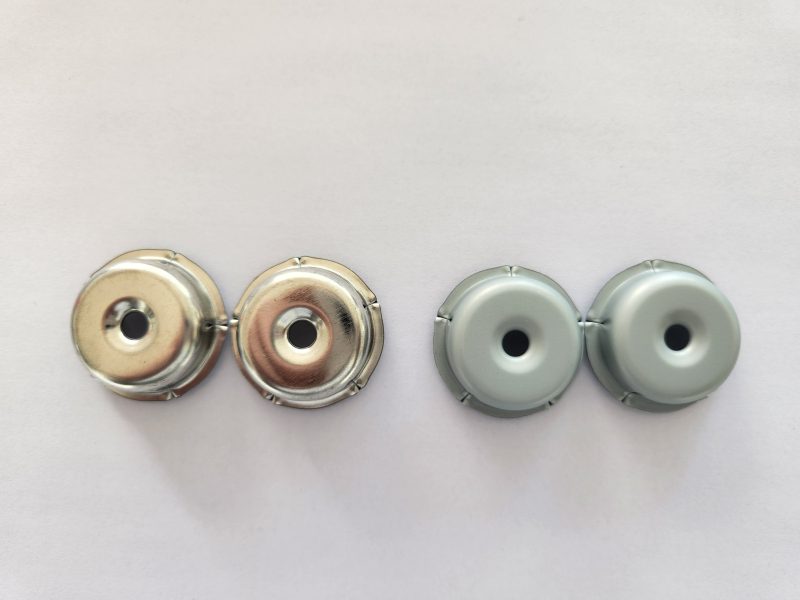
Regular Inspection and Maintenance Process for Paint Bucket Gaskets
Paint bucket gaskets are crucial for maintaining an airtight seal, preventing paint leakage, and ensuring the quality of the stored paint. Regular inspection and maintenance of these gaskets are essential to extend their lifespan and avoid potential issues. Here’s a comprehensive guide on how to carry out this process effectively.
Initial Assessment and Preparation
Gather Necessary Tools
Before starting the inspection and maintenance process, gather all the tools you’ll need. This typically includes a clean cloth, mild soap, water, a soft – bristled brush, and a container for cleaning. Having these items ready in advance will make the process more efficient and prevent interruptions.
Select a Suitable Work Area
Choose a clean, well – lit, and well – ventilated work area. A flat surface, such as a workbench or table, is ideal for placing the paint buckets and gaskets during the inspection. Ensure that the area is free from dust, debris, and any substances that could contaminate the gaskets or paint.
Visual Inspection
Examine for Physical Damage
Begin by visually inspecting each paint bucket gasket for any signs of physical damage. Look for cracks, tears, or cuts on the surface of the gasket. These can occur due to rough handling, exposure to sharp objects, or normal wear and tear over time. Even small cracks can lead to paint leakage, so it’s important to identify them early.
Check for Deformation
Check if the gaskets have lost their original shape or become deformed. Over time, factors such as extreme temperatures, pressure from the paint bucket lid, or improper storage can cause the gaskets to warp or flatten. A deformed gasket may not create a proper seal, allowing air and moisture to enter the paint bucket, which can spoil the paint.
Look for Discoloration
Discoloration of the gasket can be an indication of chemical exposure or aging. Some paints, solvents, or cleaning agents may react with the gasket material, causing it to change color. If you notice significant discoloration, it could mean that the gasket’s chemical resistance has been compromised, and it may need to be replaced.
Cleaning the Gaskets
Prepare the Cleaning Solution
Mix a small amount of mild soap with water in a container to create a gentle cleaning solution. Avoid using harsh chemicals or abrasive cleaners, as they can damage the gasket material and accelerate the aging process. The mild soap solution is effective in removing dirt, paint residue, and other contaminants without causing harm.
Wet the Cloth and Gasket
Dip a clean cloth into the soap and water solution, making sure it’s damp but not soaking wet. Then, gently wipe the surface of the paint bucket gasket with the damp cloth. For stubborn dirt or paint spots, use a soft – bristled brush to lightly scrub the affected area. Be careful not to apply too much pressure, as this could damage the gasket.
Rinse and Dry
After cleaning, rinse the gasket with clean water to remove any soap residue. You can use a separate clean cloth dampened with water for this step. Once rinsed, allow the gasket to air dry completely in a clean, well – ventilated area. Avoid using heat sources to dry the gasket, as high temperatures can cause it to warp or lose its elasticity.
Functional Testing
Reinstall the Gasket
Once the gasket is dry, carefully reinstall it onto the paint bucket lid. Make sure it’s properly seated in its groove and that there are no twists or folds. A properly installed gasket is essential for creating an effective seal.
Test the Seal
Close the paint bucket lid tightly and check for any signs of air leakage. You can do this by placing your hand over the top of the bucket and feeling for any air movement. Another method is to submerge the closed bucket in water (up to the lid level) and look for bubbles, which would indicate air escaping through the seal. If you detect any leakage, re – examine the gasket installation or consider replacing the gasket if it’s damaged.
Ongoing Maintenance and Record – Keeping
Establish a Maintenance Schedule
Set up a regular maintenance schedule for inspecting and cleaning the paint bucket gaskets. The frequency of maintenance will depend on factors such as how often the paint buckets are used, the storage conditions, and the type of paint stored. As a general guideline, a monthly inspection and cleaning may be sufficient for most situations, but more frequent checks may be necessary in harsh environments.
Keep Records
Maintain a record of each inspection and maintenance activity. Note the date of the inspection, any issues found, and the actions taken, such as cleaning or replacing the gasket. This record – keeping can help you track the condition of the gaskets over time, identify patterns of wear or damage, and ensure that maintenance tasks are not overlooked. It can also be useful for quality control purposes if you’re using the paint in a professional setting.