
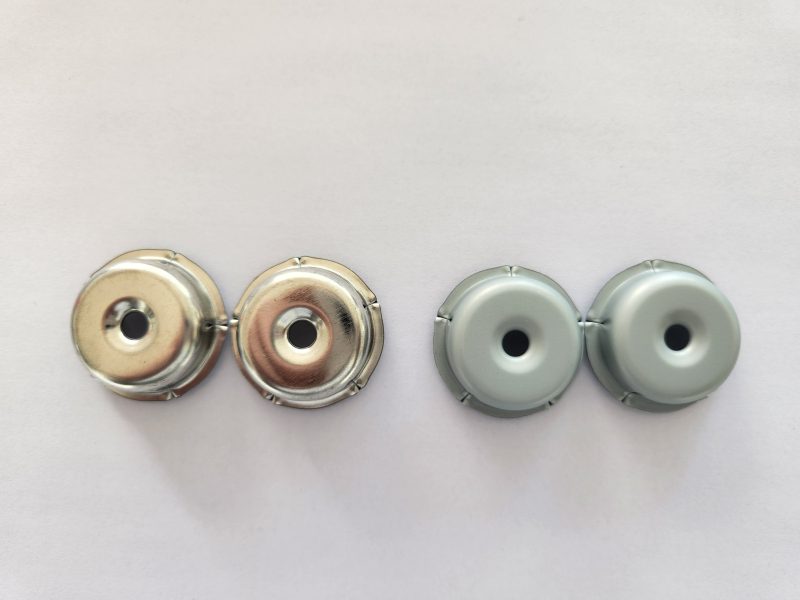
Essential Tips for Regular Replacement and Maintenance of Paint Bucket Gaskets
Paint bucket gaskets play a critical role in maintaining airtight seals, preventing leaks, and preserving the quality of stored paint. Over time, these gaskets can degrade due to exposure to chemicals, temperature fluctuations, or physical wear, compromising their effectiveness. Regular replacement and proper maintenance are key to ensuring optimal performance and extending the lifespan of both the gaskets and the paint buckets. Here’s a comprehensive guide to help you manage paint bucket gasket care effectively.
Recognizing When to Replace Paint Bucket Gaskets
Signs of Wear and Physical Damage
One of the most obvious indicators that a gasket needs replacement is visible wear or physical damage. Cracks, tears, or splits in the material are clear signs that the gasket can no longer form a reliable seal. Additionally, if the gasket appears flattened or compressed, it may not have enough elasticity to create an airtight connection with the bucket lid. Inspect the gasket regularly for these issues, especially if the bucket has been dropped or exposed to extreme conditions.
Changes in Sealing Performance
A decline in sealing performance is another red flag that the gasket requires attention. If you notice paint leaking from the bucket or difficulty closing the lid tightly, the gasket may be failing. You might also hear a hissing sound when opening the bucket, indicating air has entered due to a poor seal. These symptoms suggest that the gasket is no longer functioning as intended and should be replaced promptly to avoid further issues like paint contamination or evaporation.
Age and Frequency of Use
Even without visible damage, gaskets have a limited lifespan based on their material and usage patterns. Rubber gaskets, for example, can become brittle over time, while synthetic materials may degrade under prolonged exposure to UV light or chemicals. If you use the paint bucket frequently or store it for extended periods, the gasket will wear out faster. As a general rule, consider replacing gaskets every 1–2 years, depending on usage, or sooner if you observe any of the above signs.
Steps for Proper Gasket Replacement
Removing the Old Gasket Safely
Before installing a new gasket, carefully remove the old one to avoid damaging the bucket or lid. Start by loosening the lid if it’s still attached, then gently pry the gasket away from the groove using a plastic scraper or a non-metallic tool. Avoid using sharp objects like knives, as they can scratch the surface and create areas where paint could leak. If the gasket is stuck, apply a small amount of lubricant or warm water to soften it before removal.
Cleaning the Bucket and Lid
Once the old gasket is removed, thoroughly clean the bucket and lid to ensure a smooth surface for the new gasket. Use a mild detergent and warm water to remove any paint residue, dirt, or debris. Pay special attention to the groove where the gasket sits, as leftover particles can prevent the new gasket from sealing properly. Dry the surfaces completely with a lint-free cloth before proceeding to avoid trapping moisture under the gasket.
Installing the New Gasket Correctly
When installing the new gasket, start at one end of the groove and work your way around, pressing the gasket firmly into place. Ensure it sits evenly without any twists or folds, as these can create gaps in the seal. If the gasket is too long or short, trim it carefully with scissors or a utility knife to fit the groove precisely. Once installed, close the lid tightly and check for any leaks or loose areas. A properly fitted gasket should form a consistent, airtight seal around the entire bucket.
Maintaining Gaskets Between Replacements
Regular Inspection and Cleaning
Even with a new gasket, regular inspection and cleaning are essential for longevity. Check the gasket monthly for signs of wear, dirt, or paint buildup. Clean it gently using a soft brush or cloth and a mild cleaning solution to remove contaminants that could degrade the material. Avoid harsh chemicals or abrasive tools, as these can damage the gasket surface and reduce its effectiveness.
Avoiding Exposure to Harsh Conditions
Protecting gaskets from extreme conditions can significantly extend their lifespan. Store paint buckets in a cool, dry place away from direct sunlight, as UV rays can weaken synthetic materials. Similarly, avoid exposing the buckets to freezing temperatures or excessive heat, as these can cause the gasket to become brittle or lose elasticity. If you must store buckets outdoors, cover them with a breathable material to shield the gaskets from environmental damage.
Lubricating Gaskets for Flexibility
For rubber or synthetic gaskets, occasional lubrication can help maintain flexibility and prevent cracking. Use a silicone-based lubricant or a food-grade mineral oil, applying a thin layer to the gasket surface with a soft cloth. This creates a protective barrier that reduces friction and keeps the material supple. Be sure to wipe away any excess lubricant to avoid attracting dirt or causing slippage when closing the lid.
By following these guidelines for regular replacement and maintenance, you can ensure your paint bucket gaskets remain in excellent condition, providing reliable sealing and protecting your paint investment for years to come.