
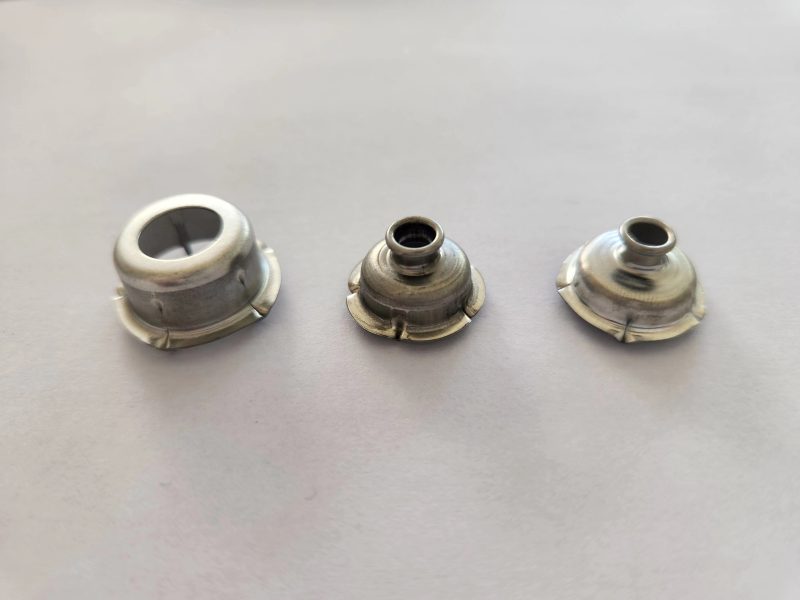
Performance Characteristics of PVC Gaskets for Paint Buckets
Polyvinyl chloride (PVC) has emerged as a practical material for paint bucket gaskets due to its unique combination of physical and chemical properties. This material addresses critical sealing requirements in paint storage and transportation while offering distinct advantages over traditional rubber or plastic alternatives.
Chemical Resistance and Environmental Adaptability
PVC demonstrates excellent resistance to a wide range of chemicals commonly found in paint formulations. The material remains stable when exposed to:
- Water-based paints: PVC’s inherent hydrophobicity prevents swelling or degradation caused by alkaline or acidic components in latex and acrylic coatings.
- Mild solvents: While not suitable for all organic solvents, PVC withstands mineral spirits and other hydrocarbon-based thinners used in oil-based paints, maintaining seal integrity during storage and handling.
- Corrosive substances: The material’s resistance to weak acids, alkalis, and salt solutions makes it suitable for industrial coatings containing pigments or preservatives that might react with less stable polymers.
This chemical stability reduces the risk of gasket degradation, which could lead to leaks, contamination, or product spoilage. For applications involving aggressive solvents or high concentrations of corrosive chemicals, specialized PVC formulations with enhanced chemical barriers may be considered.
PVC also performs reliably in diverse environmental conditions. Its operational temperature range typically spans from -20°C to 80°C, accommodating both cold storage and moderate heat exposure. The material’s low thermal conductivity provides incidental insulation benefits, helping to maintain paint consistency by reducing the impact of external temperature fluctuations on the stored product.
Mechanical Properties and Sealing Performance
The mechanical characteristics of PVC contribute directly to its effectiveness as a sealing material. Key attributes include:
- Hardness and durability: PVC gaskets maintain their shape under repeated compression and release cycles, preventing permanent deformation that could compromise sealing efficiency. This property ensures long-term performance in applications requiring frequent bucket opening and closing.
- Flexibility: Despite its rigidity compared to soft rubber compounds, PVC exhibits sufficient flexibility to conform to irregularities in bucket rims and lids. This adaptability creates an effective barrier against air infiltration, moisture ingress, and vapor transmission.
- Tear resistance: The material’s high tensile strength and resistance to abrasion make it suitable for industrial environments where paint buckets may experience rough handling or mechanical stress during transportation.
When compressed between mating surfaces, PVC gaskets form a reliable seal that prevents solvent evaporation in volatile coatings and maintains product viscosity. The material’s low compression set ensures consistent performance over multiple reuse cycles, reducing waste and operational costs.
Environmental Sustainability and Safety Considerations
Modern PVC production increasingly emphasizes environmental responsibility. Many formulations now incorporate:
- Recycled content: Using post-consumer or post-industrial recycled PVC reduces raw material consumption and aligns with circular economy principles.
- Recyclability: PVC gaskets can often be processed through standard plastic recycling streams at end-of-life, minimizing landfill waste.
- Reduced emissions: Advanced manufacturing techniques minimize volatile organic compound (VOC) emissions during production, improving workplace safety and environmental compliance.
From a safety perspective, PVC’s inherent flame retardancy provides an additional layer of protection in paint storage facilities. The material’s high oxygen index (approximately 47) means it resists ignition and slows combustion, reducing fire risks associated with flammable solvents commonly found in paint formulations.
Application-Specific Considerations
While PVC offers numerous benefits, certain factors should be evaluated for optimal performance:
- Compatibility testing: Verify chemical resistance with specific paint formulations, especially those containing unconventional solvents or additives that may interact with PVC.
- Compression settings: Proper torque application during bucket assembly ensures adequate gasket compression without overstressing the material, which could lead to cracking or premature failure.
- Storage conditions: Avoid prolonged exposure to direct sunlight or UV radiation, which may cause surface degradation over time. Storing paint buckets in cool, dry environments extends gasket usable life.
- Shelf life: While PVC resists aging better than many rubber compounds, storage in controlled conditions prevents premature hardening or embrittlement.
By understanding these material characteristics and application guidelines, manufacturers and users can leverage PVC gaskets to create reliable, cost-effective sealing solutions for paint storage containers. The combination of chemical resistance, mechanical durability, and environmental adaptability makes PVC an attractive choice across diverse industrial and commercial applications.