
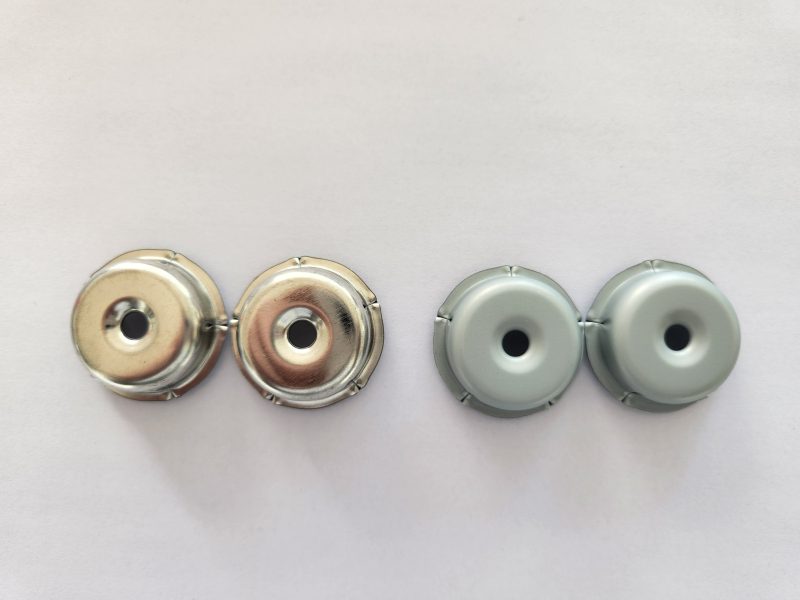
How to Protect Paint Bucket Gaskets from Hard Object Compression for Long – Term Maintenance
Paint bucket gaskets are crucial for creating an airtight and leak – proof seal, ensuring the quality and longevity of the stored paint. However, they are vulnerable to damage from hard object compression. Here are some effective ways to prevent such damage and maintain the gaskets properly.
Understanding the Impact of Hard Object Compression
Physical Deformation
When a hard object presses on a paint bucket gasket, it can cause immediate physical deformation. The gasket may become flattened, indented, or even develop cracks. This deformation disrupts the smooth surface of the gasket, which is essential for forming a proper seal. A deformed gasket may not fit snugly against the paint bucket lid, allowing air and moisture to enter, leading to paint degradation over time.
Material Fatigue
Repeated exposure to hard object compression can cause material fatigue in the gasket. The constant stress on the material weakens its molecular structure, making it more prone to cracking and breaking. Even if the initial compression does not cause visible damage, over time, the cumulative effect of multiple compressions can significantly reduce the lifespan of the gasket.
Compromised Sealing Performance
The main function of a paint bucket gasket is to provide a reliable seal. Hard object compression can directly compromise this function. A damaged gasket may not be able to create an effective barrier against the external environment, resulting in paint evaporation, contamination, or spoilage. This not only wastes the paint but also requires additional costs for replacement and cleanup.
Proper Storage Practices to Avoid Compression
Use Dedicated Storage Containers
Instead of simply throwing paint bucket gaskets into a general storage area, use dedicated containers to store them. These containers should be spacious enough to prevent the gaskets from being squeezed together. Choose containers made of sturdy materials, such as plastic or metal, that can withstand external pressure and protect the gaskets inside. Place the gaskets in the container in a single layer or with proper spacing between them to avoid direct contact and compression.
Store in a Stable Environment
Select a stable storage location for the containers holding the paint bucket gaskets. Avoid areas where heavy objects are frequently moved or stacked on top of each other. For example, do not store the gaskets in a corner of a warehouse where forklifts or pallets are regularly placed. A dedicated storage shelf or cabinet with a flat and level surface is an ideal choice. This helps prevent accidental compression caused by external forces.
Keep Away from High – Traffic Areas
High – traffic areas in a workshop or storage facility are prone to accidental bumps and collisions. These can easily lead to hard object compression on the paint bucket gaskets. Store the gaskets in a relatively quiet and low – traffic area, such as a back room or a dedicated storage closet. If possible, use barriers or signs to mark the storage area and remind people to be careful around it.
Handling and Transportation Precautions
Gentle Handling During Movement
When moving paint bucket gaskets from one place to another, handle them with care. Avoid dropping or throwing the gaskets, as this can cause sudden and severe compression. Use both hands to pick up and carry the containers holding the gaskets, ensuring a balanced grip. If the gaskets are loose, place them in a box or a bag and hold it securely to prevent any accidental compression during transportation.
Proper Packaging for Long – Distance Transport
If you need to transport paint bucket gaskets over a long distance, proper packaging is essential. Use cushioning materials, such as bubble wrap or foam peanuts, to surround the gaskets in the container. This provides an extra layer of protection against external pressure and vibration during transportation. Seal the container tightly to prevent the cushioning materials from shifting and ensure that the gaskets remain well – protected throughout the journey.
Avoid Stacking Heavy Items on Top
During transportation, whether by truck or other means, never stack heavy items on top of the containers holding the paint bucket gaskets. The weight of the upper items can cause significant compression on the gaskets below, leading to damage. If multiple containers need to be transported together, arrange them in a way that distributes the weight evenly and avoids placing excessive pressure on any single container.
Regular Inspection and Maintenance
Visual Inspection for Damage
Regularly inspect the paint bucket gaskets for any signs of damage caused by hard object compression. Look for cracks, indentations, or deformations on the surface of the gaskets. Even minor damage can affect the sealing performance, so it’s important to identify and address it early. If you find any damaged gaskets, remove them from storage immediately and either repair them if possible or replace them with new ones.
Check Storage Conditions
Periodically check the storage conditions of the paint bucket gaskets to ensure they are still suitable for preventing compression. Verify that the storage containers are intact and not damaged, which could allow external pressure to reach the gaskets. Also, check the stability of the storage location and make any necessary adjustments to prevent accidental compression.
Re – evaluate Handling Procedures
Review your handling and transportation procedures for paint bucket gaskets on a regular basis. Look for areas where improvements can be made to further reduce the risk of hard object compression. For example, if you notice that a particular step in the transportation process often leads to damage, modify the procedure to eliminate or minimize that risk. Continuously improving your practices will help ensure the long – term quality and performance of the paint bucket gaskets.