
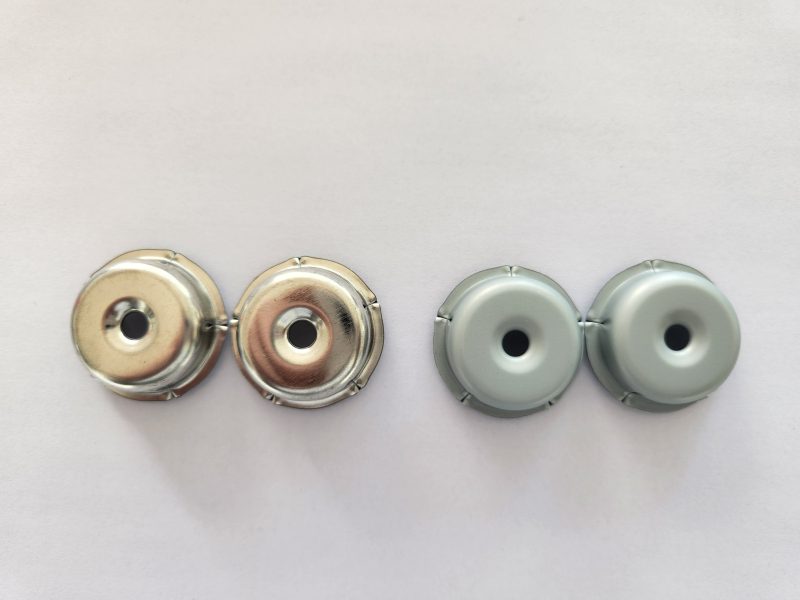
Proven Techniques to Extend the Lifespan of Paint Bucket Gaskets
Paint bucket gaskets play a vital role in maintaining the integrity of stored paint, preventing leaks, and ensuring an airtight seal. However, these components are often overlooked until they fail, leading to wasted paint and potential messes. By implementing proper maintenance techniques, you can significantly extend the lifespan of your paint bucket gaskets, saving both time and resources. Here are some practical strategies to consider.
Proper Cleaning Practices
Gentle Removal of Paint Residue
One of the most common causes of gasket deterioration is the buildup of dried paint residue. When removing paint from the gasket, avoid using sharp tools or abrasive materials that can scratch or tear the surface. Instead, use a plastic scraper or a soft-bristled brush to gently loosen and remove any dried paint. For stubborn residues, soak the gasket in warm, soapy water for a few minutes to soften the paint before attempting removal.
Choosing the Right Cleaning Agents
The cleaning agents you use can have a significant impact on the lifespan of your gaskets. Harsh chemicals like acetone or paint thinners can degrade the material, making it brittle and prone to cracking. Opt for mild, non-abrasive cleaners such as dish soap mixed with warm water. These solutions are effective at removing dirt and paint without causing damage. For tougher stains, consider using natural alternatives like white vinegar or lemon juice diluted with water, which are gentle yet effective.
Thorough Drying After Cleaning
After cleaning the gasket, it’s crucial to ensure it’s completely dry before reinstalling it. Moisture trapped between the gasket and the bucket can lead to mold growth or material degradation over time. Use a clean, lint-free cloth to pat the gasket dry, or allow it to air-dry in a well-ventilated area away from direct sunlight or heat sources. Ensure there are no damp spots or creases where water could accumulate, as these areas are more susceptible to damage.
Handling and Storage Guidelines
Avoiding Excessive Force During Installation and Removal
When installing or removing a gasket, always handle it with care to avoid unnecessary stress. Pulling or tugging too hard can stretch or tear the material, especially if it’s already weakened from age or exposure to chemicals. Instead, use a gentle, even pressure to ease the gasket into place or remove it from the bucket. If the gasket seems stuck, try applying a small amount of lubricant like petroleum jelly to the edges to help it slide more easily.
Storing Gaskets in a Safe Environment
Proper storage is essential for preserving the lifespan of paint bucket gaskets. Store them in a cool, dry place away from direct sunlight, extreme temperatures, and chemicals. Exposure to heat can cause the material to soften and lose its shape, while cold temperatures can make it brittle and prone to cracking. If storing multiple gaskets, place them flat or roll them loosely and secure them with a rubber band to prevent deformation. Avoid stacking heavy objects on top of stored gaskets, as this can cause permanent damage.
Protecting Gaskets During Transportation
If you need to transport paint buckets with gaskets, take steps to protect them from physical damage. Secure the buckets in place using straps or padding to prevent them from shifting or rolling during transit. Sudden impacts or vibrations can cause the gasket to shift or become misaligned, leading to leaks or damage. For added protection, wrap the buckets in bubble wrap or foam padding to absorb shocks and reduce the risk of gasket damage.
Regular Inspection and Maintenance Routines
Checking for Signs of Wear and Tear
Regular visual inspections are key to identifying early signs of gasket damage. Look for cracks, tears, or deformations in the material, especially around the edges where it meets the bucket rim. These areas are more prone to wear due to repeated use and exposure to pressure. If you notice any damage, address it immediately to prevent further deterioration. Even small cracks can grow over time, leading to leaks and rendering the gasket unusable.
Testing the Seal for Effectiveness
A properly functioning gasket should create an airtight seal when the bucket is closed. To test the seal, close the lid tightly and check for any leaks or air gaps around the edges. You can also perform a simple pressure test by pressing down on the lid and listening for air escaping or feeling for movement. If the seal is not tight, the gasket may be damaged or worn out and may need to be replaced or repaired.
Lubricating Gaskets for Smooth Operation
Lubricating the gasket periodically can help reduce friction and wear, extending its lifespan. Apply a thin layer of food-grade silicone grease or petroleum jelly to the gasket surface before reinstalling it on the bucket. This helps keep the material supple and prevents it from drying out or cracking over time. Avoid using excessive amounts of lubricant, as this can attract dirt and debris and potentially clog the sealing surface. Reapply lubricant every few months or as needed, depending on the frequency of use and storage conditions.
By following these techniques, you can ensure your paint bucket gaskets remain in good condition for longer, reducing the need for frequent replacements and preventing costly leaks. Proper cleaning, careful handling, and regular maintenance are all essential for extending the lifespan of these crucial components.