
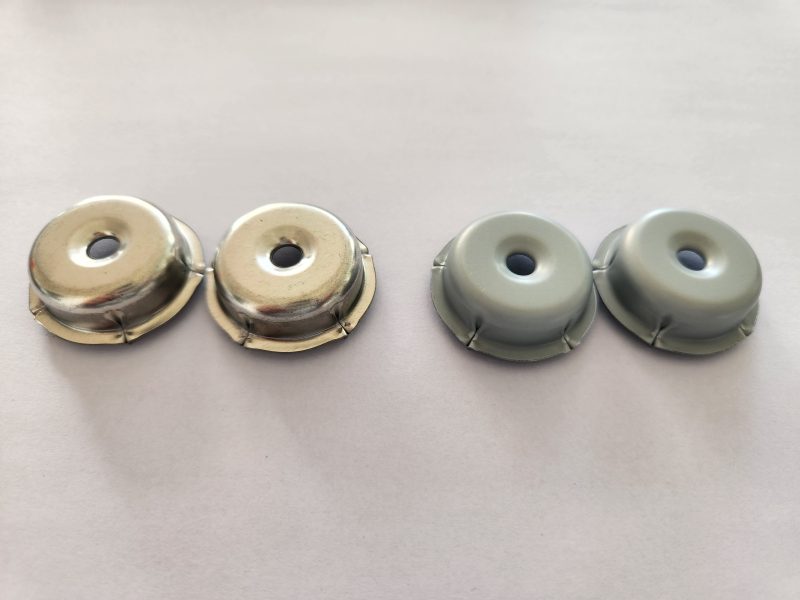
Key Considerations for Preventing Damage to Paint Bucket Gaskets During Maintenance
Paint bucket gaskets are essential for maintaining an airtight seal, preventing paint leaks, and ensuring the longevity of stored paint. However, these gaskets are susceptible to damage if not handled and maintained properly. Understanding how to prevent breakage during maintenance can save time, money, and ensure the gaskets function effectively for longer. Here are some crucial tips to keep in mind.
Choosing the Right Cleaning Methods
Gentle Cleaning Solutions
The first step in preventing gasket damage is selecting appropriate cleaning solutions. Harsh chemicals or abrasive cleaners can degrade the material of the gasket, making it brittle and prone to cracking. Instead, opt for mild, non-abrasive solutions like warm water mixed with a small amount of dish soap. This combination is effective at removing paint residues and dirt without causing harm to the gasket.
For tougher stains, consider using natural solvents like white vinegar or lemon juice diluted with water. These solutions are gentle on the gasket material while still being able to break down stubborn residues. Always test any new cleaning solution on a small, inconspicuous area of the gasket first to ensure it doesn’t cause discoloration or damage.
Soft Cleaning Tools
The tools used for cleaning are just as important as the cleaning solutions. Avoid using rough scrubbing pads, steel wool, or abrasive brushes, as these can scratch or tear the gasket surface. Instead, use soft-bristled brushes or microfiber cloths. These materials are gentle enough to clean effectively without causing physical damage to the gasket.
When wiping down the gasket, apply light pressure and use circular motions to avoid stretching or pulling the material. For hard-to-reach areas, like the grooves where the gasket meets the bucket rim, use a cotton swab or a soft toothbrush dipped in the cleaning solution. This allows for precise cleaning without risking damage to the gasket.
Proper Rinsing and Drying
After cleaning, it’s crucial to rinse the gasket thoroughly to remove any remaining cleaning solution. Residues from soap or solvents can attract dirt and debris over time, leading to potential damage. Rinse the gasket under running water or wipe it down with a clean, damp cloth until all traces of the cleaning solution are gone.
Once rinsed, dry the gasket completely before reinstalling it on the paint bucket. Moisture trapped between the gasket and the bucket can promote the growth of mold or mildew, which can weaken the material and cause it to break down. Use a lint-free cloth or allow the gasket to air-dry in a well-ventilated area away from direct sunlight or heat sources.
Handling and Storage Best Practices
Avoiding Excessive Force
When removing or reinstalling the gasket, avoid using excessive force. Pulling or tugging too hard can stretch or tear the material, especially if it’s already weakened from age or exposure to chemicals. Instead, gently pry the gasket away from the bucket rim using a plastic spatula or a similar non-metallic tool. This helps prevent accidental damage during removal.
During reinstallation, align the gasket carefully with the bucket rim and press it into place evenly. Avoid pushing or shoving the gasket into position, as this can create uneven pressure points that may lead to deformation or breakage over time. If the gasket seems difficult to install, check for any obstructions or misalignments and adjust as needed before applying more force.
Storing Gaskets Properly
Proper storage is essential for preventing damage to paint bucket gaskets when they’re not in use. Store gaskets in a cool, dry place away from direct sunlight, extreme temperatures, and chemicals. Exposure to heat can cause the material to soften and lose its shape, while cold temperatures can make it brittle and prone to cracking.
If storing multiple gaskets, avoid stacking them directly on top of each other without any protection. Instead, place a layer of soft material like paper towels or foam between each gasket to prevent them from sticking together or getting scratched. You can also store gaskets in airtight plastic bags or containers to protect them from dust and debris.
Preventing Physical Damage During Transportation
When transporting paint buckets with gaskets, take steps to prevent physical damage to the gaskets. Secure the buckets in place using straps or bungee cords to prevent them from shifting or rolling during transit. This helps avoid sudden impacts or pressure changes that could damage the gaskets.
If transporting buckets in a vehicle, place them on a flat surface and avoid stacking them too high. The weight of stacked buckets can compress the gaskets unevenly, leading to deformation or breakage. For added protection, wrap the buckets in bubble wrap or foam padding to absorb vibrations and reduce the risk of damage during transportation.
Regular Inspection and Maintenance Routines
Visual Inspection for Signs of Wear
Regular visual inspections are key to identifying early signs of gasket damage. Check the gaskets for any visible cracks, tears, or deformations. Pay attention to areas where the gasket meets the bucket rim or lid, as these are common points of stress and wear. If you notice any damage, address it immediately to prevent further deterioration.
In addition to checking for physical damage, inspect the gaskets for signs of discoloration or hardening. These can indicate exposure to chemicals or aging, which may weaken the material and make it more susceptible to breakage. If the gasket appears discolored or feels stiff to the touch, consider replacing it to ensure a proper seal.
Testing the Seal Regularly
Testing the seal of the paint bucket is another important part of gasket maintenance. A damaged gasket may not create an airtight seal, leading to paint leaks or contamination. To test the seal, close the lid tightly and check for any leaks or air gaps around the edges. You can also perform a simple pressure test by pressing down on the lid and listening for air escaping or feeling for movement.
If the seal is not tight, the gasket may be damaged or worn out. In some cases, minor damage can be repaired by gently reshaping the gasket or applying a thin layer of sealant designed for gasket materials. However, severe damage or wear usually requires replacement to ensure a proper seal.
Lubricating Gaskets for Longevity
Lubricating the gaskets periodically can help prevent damage by reducing friction and wear. Apply a thin layer of food-grade silicone grease or petroleum jelly to the gasket surface before reinstalling it on the paint bucket. This helps keep the gasket supple and prevents it from drying out or cracking over time.
Avoid using excessive amounts of lubricant, as this can attract dirt and debris and potentially clog the sealing surface. Instead, use a small amount and spread it evenly across the gasket using a clean cloth or your fingers. Reapply lubricant every few months or as needed, depending on the frequency of use and storage conditions.
By following these considerations for preventing damage to paint bucket gaskets during maintenance, you can ensure they remain effective and durable for longer. Proper cleaning, handling, storage, and regular inspection are all essential for protecting these crucial components.