
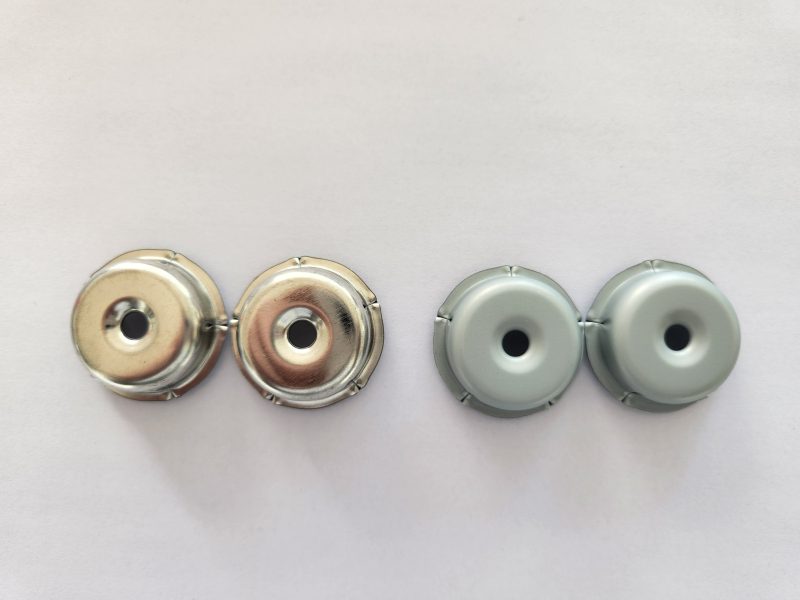
Essential Tips for Preventing Low-Temperature Brittle Fracture in Paint Bucket Gaskets
Paint bucket gaskets play a vital role in maintaining airtight seals and preventing leaks, but they can become vulnerable to brittle fracture in cold temperatures. Low-temperature environments cause the material to lose flexibility, making it prone to cracking or breaking under pressure. This can compromise the seal and lead to costly spills or contamination. By adopting proper maintenance and handling techniques, you can protect your gaskets from low-temperature damage and ensure their longevity. Here’s how to safeguard your paint bucket gaskets in cold conditions.
Understanding Low-Temperature Risks for Gaskets
How Cold Temperatures Affect Gasket Materials
Most gasket materials, such as rubber or certain plastics, rely on their flexibility to create an effective seal. In cold temperatures, these materials undergo a process called embrittlement, where they lose their ability to bend or stretch without breaking. This occurs because the molecular structure of the material becomes rigid, reducing its elasticity. Even brief exposure to freezing temperatures can cause irreversible damage, leading to cracks or fractures when the gasket is flexed or compressed.
Identifying Vulnerable Gasket Types
Not all gasket materials are equally susceptible to low-temperature brittle fracture. Natural rubber, for example, is highly prone to embrittlement in cold conditions, while synthetic rubbers like neoprene or EPDM offer better resistance but may still degrade under extreme cold. Certain plastics, such as PVC, can also become brittle at low temperatures. Understanding the material composition of your gaskets helps you assess their vulnerability and take appropriate preventive measures.
Consequences of Ignoring Low-Temperature Protection
Neglecting low-temperature protection can result in severe consequences, including sudden gasket failure during use. A brittle gasket may crack when the bucket lid is closed or opened, leading to leaks that can damage stored paint or contaminate surrounding areas. Additionally, repeated exposure to cold temperatures can weaken the gasket over time, reducing its lifespan and requiring frequent replacements. Proactive measures are essential to avoid these issues.
Pre-Storage Preparation to Minimize Cold Damage
Gradual Temperature Adjustment Before Storage
Avoid exposing gaskets to sudden temperature changes, as this can accelerate embrittlement. If you’ve been using paint buckets in a warm environment and need to store them in a cold location, allow the gaskets to acclimate gradually. Move the buckets to an intermediate area with a moderate temperature for a few hours before transferring them to the final cold storage location. This slow adjustment helps the material retain its flexibility and reduces the risk of cracking.
Applying Protective Lubricants to Maintain Flexibility
Certain lubricants can help maintain the flexibility of gasket materials in cold temperatures. Before storing paint buckets, apply a thin, even layer of a food-grade silicone lubricant or petroleum jelly to the gasket surface. These substances create a protective barrier that prevents the material from drying out and becoming brittle. Be sure to choose a lubricant that is compatible with your gasket material and won’t cause discoloration or degradation over time.
Inspecting Gaskets for Pre-Existing Damage
Before placing paint buckets in cold storage, thoroughly inspect the gaskets for any signs of pre-existing damage, such as small cracks, cuts, or uneven surfaces. These weak points are more likely to worsen in cold temperatures and lead to complete failure. If you notice any damage, replace the gasket immediately to prevent leaks or spills during storage. Regular inspections are crucial for identifying issues early and taking corrective action.
Storage Environment Optimization for Cold Protection
Choosing Insulated or Heated Storage Areas
The best way to protect paint bucket gaskets from low-temperature damage is to store them in insulated or heated areas. Insulated storage rooms or cabinets help maintain a stable temperature, reducing the risk of embrittlement. If heated storage is not available, consider using portable heaters or insulation blankets to create a microclimate around the buckets. Ensure proper ventilation to prevent condensation, which can also contribute to material degradation.
Elevating Buckets Off Cold Surfaces
Direct contact with cold surfaces, such as concrete floors or metal shelves, can transfer low temperatures to the gaskets, increasing the risk of brittle fracture. To prevent this, elevate paint buckets off the ground using wooden pallets, plastic risers, or insulated mats. This creates an air gap that acts as a thermal barrier, reducing heat loss and keeping the gaskets warmer. Additionally, avoid placing buckets near doors or windows where cold drafts can enter.
Grouping Buckets Together for Shared Warmth
Storing paint buckets in close proximity can help retain heat and protect the gaskets from extreme cold. When buckets are grouped together, they generate a small amount of collective warmth that reduces the overall temperature drop. Arrange the buckets in a compact formation, leaving minimal space between them, and cover them with a thermal blanket or tarp for added insulation. This simple technique can make a significant difference in cold storage environments.
Handling Practices During Cold Weather Use
Warming Gaskets Before Use in Cold Conditions
If you need to use paint buckets in cold weather, take steps to warm the gaskets before opening or closing the lids. Bring the buckets indoors or to a warmer area for a short period to allow the gaskets to regain their flexibility. Alternatively, use a handheld hair dryer or heat gun on a low setting to gently warm the gasket surface, being careful not to overheat or melt the material. This temporary warming reduces the risk of cracking during use.
Avoiding Excessive Force When Opening or Closing Lids
In cold temperatures, gaskets are more likely to break under pressure. When opening or closing paint bucket lids, apply gentle, even force to avoid stressing the gasket. Avoid using tools like pry bars or hammers, as these can cause sudden impacts that lead to fractures. If the lid is stuck, try warming the gasket as described above or using a rubber mallet to tap the edges of the lid lightly until it loosens.
Monitoring Gaskets for Signs of Cold-Induced Damage
During cold weather use, regularly check the gaskets for any signs of cold-induced damage, such as new cracks, stiffness, or a loss of sealing ability. If you notice any issues, replace the gasket immediately to prevent leaks or spills. Additionally, keep track of the temperature conditions in which the gaskets are used and stored, as this information can help you adjust your maintenance practices accordingly.
By following these strategies, you can effectively protect your paint bucket gaskets from low-temperature brittle fracture, ensuring they remain functional and reliable in cold conditions. Proper pre-storage preparation, optimized storage environments, and careful handling practices are all essential for maintaining gasket integrity and preventing costly damage.