
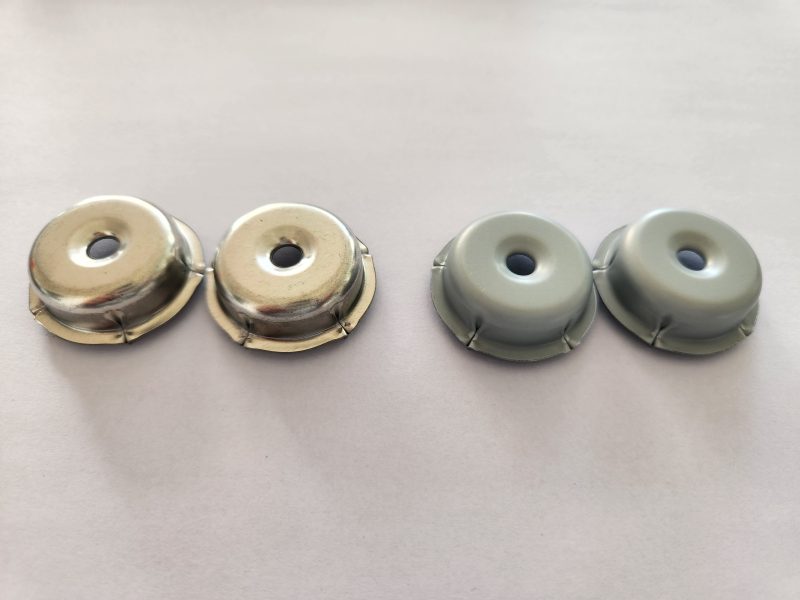
Effective Anti-Aging Maintenance Measures for Paint Bucket Gaskets
Paint bucket gaskets are essential components that ensure an airtight seal, preventing paint leakage and maintaining the quality of the stored paint. However, like many other materials, these gaskets are susceptible to aging over time, which can lead to reduced performance and a shorter lifespan. Here are some practical anti-aging maintenance measures to keep your paint bucket gaskets in top condition.
Understanding the Causes of Gasket Aging
Environmental Factors
The environment in which paint bucket gaskets are stored and used plays a significant role in their aging process. Exposure to extreme temperatures, whether high or low, can cause the gasket material to expand or contract, leading to stress and eventual cracking. High humidity levels can also contribute to aging by promoting the growth of mold and mildew, which can weaken the gasket structure. Additionally, exposure to sunlight, especially ultraviolet (UV) rays, can break down the chemical bonds in the gasket material, causing it to become brittle and lose its elasticity.
Chemical Exposure
Paint bucket gaskets may come into contact with various chemicals present in paints, solvents, and cleaning agents. These chemicals can react with the gasket material, causing it to degrade over time. Some chemicals may dissolve the gasket, while others may cause it to swell or become discolored. Prolonged exposure to harsh chemicals can significantly accelerate the aging process of the gaskets.
Proper Storage Conditions
Temperature Control
One of the most crucial aspects of preventing gasket aging is maintaining proper storage temperatures. Store paint bucket gaskets in a cool, dry place away from direct sunlight and heat sources. Ideally, the storage temperature should be between 50°F and 80°F (10°C – 27°C). Avoid storing gaskets in areas such as attics, garages, or near heating vents, as these locations can experience extreme temperature fluctuations. If you live in a region with high temperatures, consider using air conditioning or a dehumidifier in the storage area to keep the temperature and humidity levels in check.
Humidity Management
High humidity can create a damp environment that is conducive to mold and mildew growth, which can damage the gasket material. To manage humidity levels, use a dehumidifier in the storage area if necessary. You can also place moisture-absorbing packets, such as silica gel, inside the storage containers or bags where the gaskets are kept. These packets will help absorb excess moisture and keep the environment dry. Make sure to replace the moisture-absorbing packets regularly to ensure their effectiveness.
Light Protection
As mentioned earlier, exposure to sunlight can cause significant damage to paint bucket gaskets. To protect them from light, store the gaskets in opaque containers or bags that block out UV rays. If you must store the gaskets in a location with windows, use curtains or blinds to cover the windows and prevent sunlight from entering the storage area. Additionally, avoid using transparent or translucent storage containers, as they allow light to penetrate and reach the gaskets.
Handling and Usage Precautions
Gentle Handling
When handling paint bucket gaskets, always be gentle to avoid causing physical damage. Rough handling, such as pulling, stretching, or bending the gaskets forcefully, can create small tears or cracks in the material. These imperfections can serve as entry points for moisture and chemicals, leading to further degradation. When removing or installing gaskets, use your fingers or a soft tool to avoid damaging the edges or surface of the gasket.
Chemical Compatibility
Before using any paints, solvents, or cleaning agents near paint bucket gaskets, ensure that they are compatible with the gasket material. Check the product labels or consult the manufacturer’s guidelines to determine if the chemicals can cause any adverse reactions with the gaskets. If possible, perform a small test on a spare gasket to see how it reacts to the chemical before using it on the actual paint bucket. If you notice any signs of degradation, such as swelling, discoloration, or softening, avoid using that chemical with the gaskets.
Regular Inspection
Regularly inspect your paint bucket gaskets for signs of aging, such as cracks, brittleness, or discoloration. Perform visual inspections at least once every few months, or more frequently if the gaskets are exposed to harsh conditions. If you notice any damage, replace the affected gaskets immediately to prevent paint leakage and further deterioration. During the inspection, also check the condition of the paint bucket itself, as any damage to the bucket can affect the performance of the gaskets.
Cleaning and Maintenance Routines
Proper Cleaning
Keeping paint bucket gaskets clean is essential for preventing aging and maintaining their performance. After each use, clean the gaskets with a mild soap and water solution to remove any paint residue, dirt, or chemicals. Use a soft cloth or sponge to avoid scratching the gasket surface. Avoid using harsh cleaning agents or abrasive materials, as they can damage the gasket material and accelerate the aging process. After cleaning, allow the gaskets to air dry completely before storing them.
Lubrication (If Applicable)
Some paint bucket gaskets may benefit from occasional lubrication to maintain their flexibility and prevent cracking. However, not all gaskets require lubrication, so it’s important to check the manufacturer’s recommendations before applying any lubricant. If lubrication is recommended, use a food-grade or silicone-based lubricant that is compatible with the gasket material. Apply a thin layer of lubricant to the gasket surface using a clean cloth or your fingers, and then wipe off any excess. Lubrication can help reduce friction and wear on the gaskets, extending their lifespan.
Storage Organization
Organize your paint bucket gaskets in a way that makes them easy to access and protects them from damage. Use separate containers or compartments for different sizes and types of gaskets to prevent them from getting mixed up or crushed. Label the containers clearly to indicate the contents and any special storage requirements. By keeping your gaskets organized, you can reduce the risk of accidental damage and ensure that they are stored in the proper conditions.