
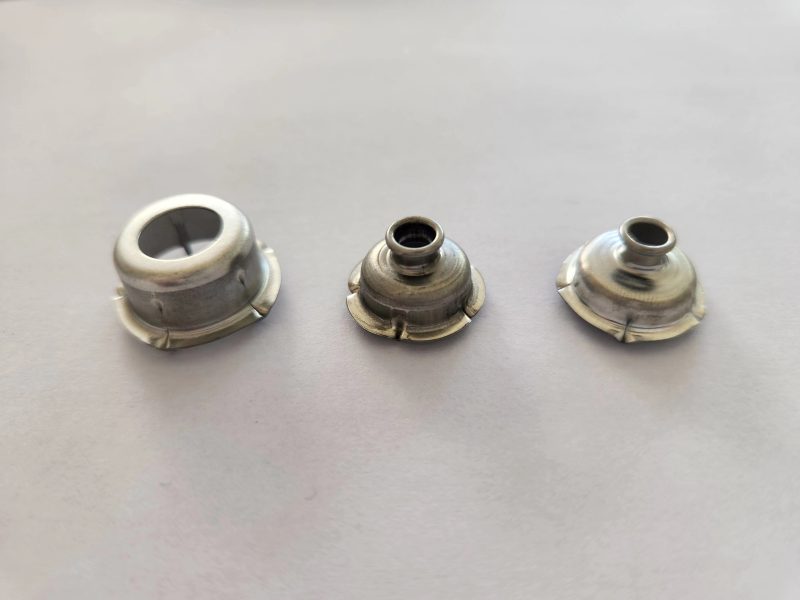
Long-Term Storage Maintenance for Paint Bucket Gaskets
When paint bucket gaskets are left unused for extended periods, improper storage can lead to material degradation, warping, or chemical reactions that compromise their effectiveness. Proper care ensures they remain functional and ready for use when needed. Below are practical strategies to maintain gaskets during long-term storage.
Preparing Gaskets for Storage
Cleaning Before Storage
Before storing gaskets, remove all traces of paint, solvents, or debris. Use a soft-bristled brush to gently scrub away dried residue, working in circular motions to avoid scratching the surface. For stubborn buildup, dampen a lint-free cloth with a mild, non-abrasive cleaner diluted in water. Test the solution on a small area first to ensure it doesn’t damage the material. After cleaning, rinse the gasket with a clean, damp cloth and pat it dry with a towel. Never use harsh chemicals or abrasive tools, as these can weaken the gasket’s structure.
Inspecting for Damage
Check the gasket for cracks, tears, or deformations before storage. Even minor damage can worsen over time, especially if exposed to temperature fluctuations or pressure. If the gasket shows signs of wear, consider replacing it before storing to avoid issues during future use. For reusable gaskets, document any flaws to prioritize replacement when needed.
Choosing the Right Storage Environment
Temperature and Humidity Control
Store gaskets in a climate-controlled area to prevent material degradation. Extreme heat can cause rubber or silicone gaskets to harden, while cold temperatures may make them brittle. Aim for a stable temperature between 50–75°F (10–24°C). Similarly, high humidity can promote mold growth, while overly dry conditions may lead to cracking. Use a dehumidifier or humidifier to maintain relative humidity between 40–60%, depending on the gasket material.
Light Exposure Management
Direct sunlight or prolonged exposure to artificial light can fade colors and weaken materials over time. Store gaskets in opaque containers or cabinets away from windows. If using clear containers, wrap the gaskets in acid-free tissue paper or place them in dark-colored bags to block light. This step is especially important for gaskets made from natural rubber or colored silicone, which are more prone to photodegradation.
Proper Storage Techniques
Avoiding Physical Stress
Do not stack heavy objects on top of stored gaskets, as this can cause permanent deformation. Instead, lay them flat or hang them using wide, non-abrasive hooks if space allows. For gaskets with irregular shapes, use custom-cut cardboard or foam inserts to maintain their form. If stacking is unavoidable, place a layer of soft material, such as felt or bubble wrap, between each gasket to distribute pressure evenly.
Preventing Chemical Interactions
Keep gaskets away from solvents, fuels, or cleaning agents, as these can cause swelling, discoloration, or corrosion. Store them in sealed containers or zip-lock bags to minimize exposure to airborne contaminants. If storing multiple gaskets, separate them with parchment paper or fabric dividers to prevent sticking or chemical transfer. For added protection, place a small packet of silica gel inside the container to absorb moisture and reduce the risk of mold.
Regular Check-Ups During Storage
Periodic Inspection Schedule
Even in storage, gaskets should be inspected every 6–12 months to ensure they remain in good condition. Look for signs of cracking, hardening, or discoloration, which may indicate environmental damage. If stored in a container, check for condensation or unusual odors, as these can signal humidity issues. For long-term storage exceeding one year, consider rotating gaskets to different positions within the container to prevent uneven aging.
Handling During Inspections
When checking stored gaskets, handle them with clean, dry hands to avoid transferring oils or dirt. If the gasket feels sticky or tacky, it may have been exposed to excessive heat or humidity. In such cases, clean it again and adjust the storage environment accordingly. For gaskets stored in bags or containers, avoid opening them unnecessarily to maintain a stable internal climate.
By following these steps, paint bucket gaskets can remain in optimal condition during long-term storage. Proper preparation, environment selection, and regular maintenance reduce the risk of damage, ensuring they perform reliably when needed.