
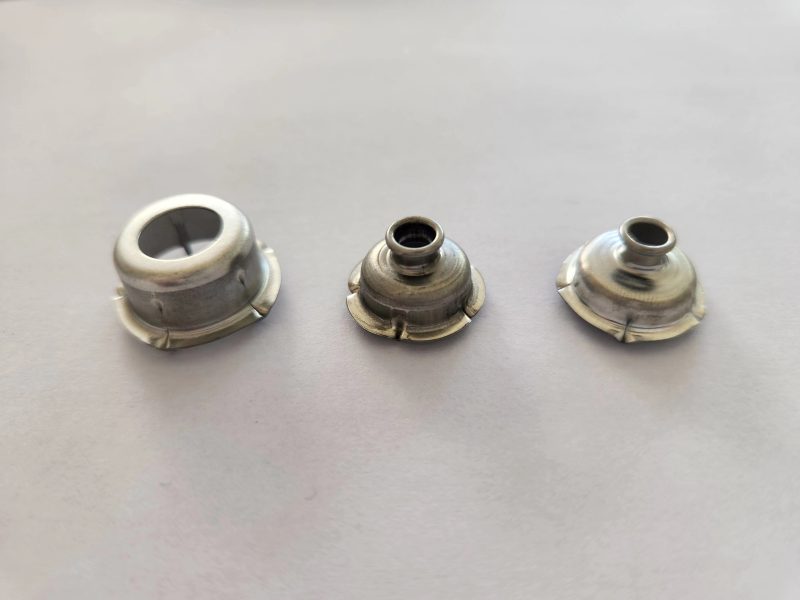
Effective Measures to Prevent Deformation of Paint Bucket Gaskets
Paint bucket gaskets are crucial for maintaining an airtight seal, preventing leaks, and ensuring the paint inside stays fresh. However, these gaskets are prone to deformation over time due to factors like pressure, temperature changes, and chemical exposure. Deformed gaskets can lead to poor sealing, paint contamination, and even safety hazards. Here’s a comprehensive guide to preventing gasket deformation and extending their lifespan.
Understanding the Causes of Gasket Deformation
Gasket deformation can occur for several reasons, and recognizing these causes is the first step in prevention. One common factor is excessive pressure. When paint buckets are stacked or stored under heavy loads, the gaskets can compress unevenly, leading to permanent shape changes. Temperature fluctuations also play a significant role. Extreme heat can cause the gasket material to soften and expand, while cold temperatures can make it brittle and prone to cracking.
Chemical exposure is another critical issue. Certain paints or solvents may react with the gasket material, weakening its structure and making it more susceptible to deformation. For example, in automotive paint shops, where buckets are frequently exposed to aggressive chemicals, gaskets can degrade quickly if not properly cared for. Additionally, improper handling during transportation or storage can cause physical damage, such as bending or twisting, which may not be immediately visible but can lead to deformation over time.
Proper Storage Techniques to Minimize Deformation
Avoiding Excessive Pressure
One of the simplest ways to prevent gasket deformation is by avoiding excessive pressure on the paint buckets. When storing buckets, ensure they are placed on flat, stable surfaces and not stacked too high. If stacking is necessary, use dividers or spacers between buckets to distribute the weight evenly and reduce pressure on the gaskets. For long-term storage, consider storing buckets horizontally rather than vertically, as this can help prevent uneven compression of the gaskets.
Controlling Temperature and Humidity
Temperature and humidity control are essential for maintaining the integrity of gasket materials. Store paint buckets in a cool, dry place away from direct sunlight and heat sources like radiators or ovens. Extreme cold should also be avoided, as it can make the gaskets brittle. If storing buckets in a garage or shed, monitor the temperature and humidity levels regularly, especially during seasonal changes. Using dehumidifiers or heaters as needed can help create a stable environment that reduces the risk of deformation.
Using Protective Covers
Protective covers can shield paint buckets from dust, debris, and environmental factors that may contribute to gasket deformation. Choose covers made from breathable materials like canvas or polyester to allow air circulation while preventing moisture buildup. Ensure the covers fit snugly around the buckets without putting additional pressure on the gaskets. If storing buckets outdoors, use waterproof covers to protect them from rain or snow, which can seep into the gaps and cause swelling or shrinkage of the gasket material.
Handling and Transportation Best Practices
Lifting and Moving Buckets Correctly
Improper handling during lifting and moving can cause physical damage to gaskets, leading to deformation. Always lift paint buckets by their handles, avoiding gripping the rim or lid, which can put uneven pressure on the gaskets. If the buckets are heavy, use a dolly or hand truck to transport them safely. When loading buckets onto vehicles or shelves, ensure they are placed gently and not dropped or slammed into position, as this can cause sudden impacts that may deform the gaskets.
Securing Buckets During Transportation
During transportation, paint buckets can shift or roll, causing the gaskets to compress or stretch unevenly. To prevent this, secure the buckets using straps or bungee cords to keep them in place. If transporting multiple buckets, stack them securely and use dividers to prevent them from sliding against each other. For added protection, place a layer of cushioning material like foam or bubble wrap between stacked buckets to absorb vibrations and reduce pressure on the gaskets.
Avoiding Rough Surfaces
When setting down paint buckets, choose smooth, level surfaces to avoid placing unnecessary stress on the gaskets. Rough or uneven surfaces can cause the buckets to rock or tilt, leading to uneven compression of the gaskets. If working in an area with uneven flooring, use shims or leveling mats to create a stable base for the buckets. Additionally, avoid dragging or sliding buckets across surfaces, as this can scratch or deform the gaskets over time.
Regular Inspection and Maintenance Routines
Visual Inspection for Signs of Deformation
Regular visual inspections are key to identifying early signs of gasket deformation. Check the gaskets for any visible changes in shape, such as flattening, warping, or cracking. Pay attention to areas where the gasket meets the bucket rim or lid, as these are common points of stress. If you notice any deformation, address it immediately to prevent further damage. In some cases, minor deformation can be corrected by gently reshaping the gasket with your fingers, but severe damage may require replacement.
Testing the Seal
In addition to visual inspections, test the seal of the paint bucket regularly to ensure the gasket is functioning properly. Close the lid tightly and check for any leaks or air gaps around the edges. If the seal is not tight, the gasket may be deformed or worn out. You can also perform a simple pressure test by pressing down on the lid and listening for air escaping or feeling for movement. A properly sealed bucket should feel firm and not give way under pressure.
Cleaning and Lubricating Gaskets
Keeping gaskets clean and lubricated can help prevent deformation by reducing friction and wear. After each use, wipe down the gaskets with a damp cloth to remove any paint residues or debris. For stubborn residues, use a mild solvent like mineral spirits, but be sure to rinse the gaskets thoroughly afterward to avoid chemical damage. Once clean, apply a thin layer of food-grade silicone grease or petroleum jelly to the gaskets to keep them supple and prevent drying out. Avoid using excessive amounts of lubricant, as this can attract dirt and debris.
By following these measures, you can significantly reduce the risk of paint bucket gasket deformation, ensuring they remain effective and durable for longer. Proper storage, careful handling, and regular maintenance are the keys to preserving the integrity of these essential components.