
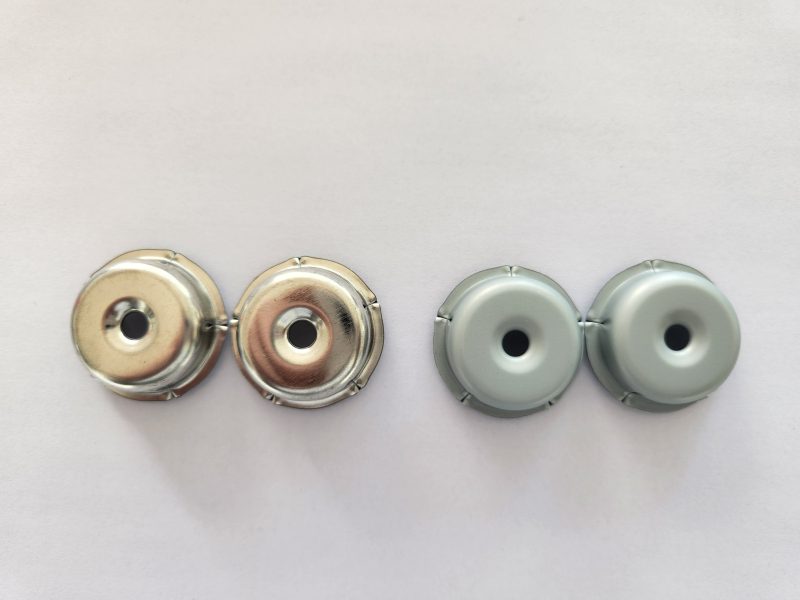
Evaluating Elasticity When Selecting Gaskets for Paint Containers
The elasticity of a paint container gasket is a fundamental property that determines its ability to create and maintain an effective seal. Elastic gaskets conform to irregularities in the container’s lid and body, absorb vibrations, and rebound after compression, ensuring long-term performance. This guide explores key factors to assess when evaluating gasket elasticity for different paint storage applications.
Understanding Elasticity and Its Role in Sealing
Elasticity refers to a material’s capacity to deform under stress and return to its original shape when the stress is removed. For paint container gaskets, this property is crucial for achieving an airtight and liquid-tight seal that withstands repeated use, temperature changes, and mechanical pressure. A gasket with optimal elasticity will adapt to the container’s dimensions, fill gaps, and resist permanent deformation, which could lead to leaks or seal failure.
Material Composition and Molecular Structure
The chemical makeup of the gasket material directly influences its elasticity. Rubber-based elastomers, such as nitrile, silicone, and EPDM, are popular choices due to their cross-linked molecular chains, which provide flexibility and memory. These materials can stretch significantly without tearing and return to their original form, making them ideal for dynamic sealing applications.
Thermoplastic elastomers (TPEs), which combine the properties of rubber and plastic, offer a balance of elasticity and durability. Their segmented molecular structure allows them to flex under pressure while maintaining shape stability, making them suitable for containers subjected to frequent opening and closing.
Hardness and Durometer Ratings
The hardness of a gasket, measured on the Shore durometer scale, affects its elasticity and sealing performance. Softer gaskets (lower durometer ratings, typically 30–60 Shore A) are more flexible and conform easily to uneven surfaces, making them effective for containers with minor imperfections or irregular shapes. However, they may be prone to compression set if subjected to excessive pressure over time.
Harder gaskets (higher durometer ratings, 70–90 Shore A) offer greater resistance to deformation and are better suited for high-pressure applications, such as industrial paint drums or containers storing volatile solvents. While they may lack the flexibility of softer gaskets, their ability to maintain shape under stress ensures a reliable seal in demanding environments.
Environmental and Chemical Factors Affecting Elasticity
The operating environment and the chemical composition of the paint stored in the container can significantly impact gasket elasticity. Factors such as temperature extremes, exposure to solvents, and UV radiation can cause materials to harden, soften, or crack, compromising their sealing capabilities.
Temperature Resistance
Temperature fluctuations can alter a gasket’s elasticity by affecting its molecular structure. High temperatures may cause some materials to soften and lose their ability to rebound, leading to a permanent deformation known as compression set. For example, a nitrile gasket exposed to prolonged heat may become brittle and crack, while a silicone gasket retains its flexibility across a wider temperature range.
Low temperatures, on the other hand, can make gaskets stiff and less pliable, reducing their ability to conform to the container’s surface. Materials like fluorocarbon rubber (FKM) or certain TPEs are engineered to maintain their elasticity in cold environments, making them suitable for outdoor storage or refrigerated applications.
Chemical Compatibility
The chemicals present in paint, such as solvents, pigments, and additives, can interact with the gasket material, affecting its elasticity over time. Aggressive solvents like acetone or toluene may cause certain elastomers to swell, shrink, or degrade, leading to a loss of sealing performance. For instance, a natural rubber gasket exposed to hydrocarbon solvents may become brittle and lose its elasticity, while a nitrile or viton gasket resists such degradation.
Water-based paints, while less chemically aggressive, may contain alkaline compounds that affect specific materials. EPDM gaskets, for example, excel in water-based applications due to their resistance to swelling and chemical attack, maintaining their elasticity even after prolonged exposure.
Mechanical Stress and Usage Patterns
The way a paint container is handled, stored, and used influences the gasket’s elasticity requirements. Containers subjected to rough handling, vibration, or repeated compression cycles need gaskets that can withstand mechanical stress without losing their sealing properties.
Compression and Recovery Cycles
Gaskets in reusable containers undergo numerous compression and recovery cycles as the lid is opened and closed. Each cycle places stress on the material, potentially causing it to lose elasticity over time. A gasket with high recovery capacity—the ability to return to its original shape after deformation—will perform better in these applications.
Materials like silicone and high-quality TPEs are known for their excellent recovery properties, making them suitable for containers that are frequently reused. These gaskets can endure hundreds or even thousands of cycles without significant loss of elasticity, ensuring a consistent seal throughout their lifespan.
Vibration and Impact Resistance
Containers transported over long distances or stored in high-vibration environments, such as on pallets or in trucks, require gaskets that can absorb shocks and vibrations without failing. Softer, more elastic gaskets act as cushions, reducing the transmission of vibrations to the container’s contents and preventing the lid from loosening.
For example, a gasket with a textured or ribbed surface can enhance its grip on the container and lid, minimizing movement caused by vibration. Additionally, gaskets with reinforced edges or integrated retention features are less likely to shift or dislodge during transport, maintaining their sealing integrity.
By evaluating material composition, environmental factors, and mechanical stress patterns, buyers can select paint container gaskets with the optimal elasticity for their specific needs. This approach ensures a reliable seal, protects the paint’s quality, and extends the gasket’s service life, reducing maintenance costs and waste.