
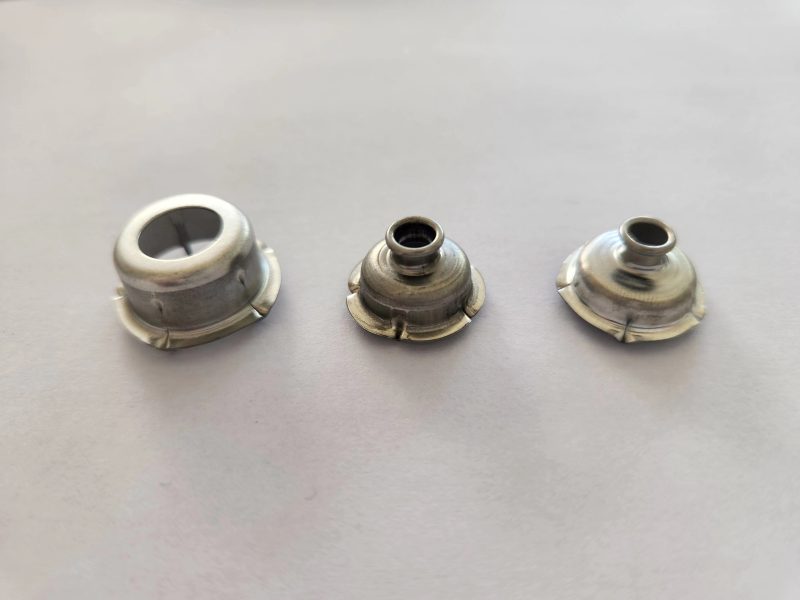
Post – Cleaning Drying and Maintenance Tips for Paint Bucket Gaskets
Paint bucket gaskets play a vital role in ensuring an airtight seal, preventing paint leakage and maintaining the quality of the stored paint. Proper cleaning followed by effective drying and maintenance is essential to extend their lifespan and keep them in optimal working condition. Here’s a detailed guide on how to handle this process.
Importance of Proper Drying After Cleaning
Preventing Mold and Mildew Growth
When paint bucket gaskets are cleaned, they often retain some moisture. If this moisture is not completely removed through proper drying, it creates a damp environment. Mold and mildew thrive in such conditions. These fungi can not only damage the physical structure of the gasket but also produce unpleasant odors. Moreover, if the gasket is used while still damp, the mold and mildew can transfer to the paint, contaminating it and making it unusable. Proper drying eliminates this risk, ensuring the gasket remains clean and safe for future use.
Maintaining Material Integrity
The materials used to make paint bucket gaskets, such as rubber or silicone, can be affected by prolonged exposure to moisture. Excessive moisture can cause the material to swell, become brittle, or lose its elasticity over time. This degradation can lead to a poor seal when the gasket is placed back on the paint bucket, allowing air and moisture to enter and spoil the paint. By thoroughly drying the gasket after cleaning, you help maintain its original material properties, ensuring it functions as intended.
Avoiding Corrosion (if applicable)
In some cases, paint bucket gaskets may have metal components or be in contact with metal parts of the paint bucket. If the gasket is not dried properly, any remaining moisture can cause corrosion on these metal surfaces. Corrosion can weaken the metal, leading to potential leaks or damage to the paint bucket. It can also affect the overall performance of the gasket – metal interface, reducing the effectiveness of the seal. Proper drying helps prevent corrosion and protects both the gasket and the paint bucket.
Effective Drying Methods for Paint Bucket Gaskets
Air Drying in a Well – Ventilated Area
One of the simplest and most effective ways to dry paint bucket gaskets is by air drying them in a well – ventilated area. After cleaning, gently shake off any excess water from the gasket. Then, place it on a clean, dry surface, such as a wire rack or a piece of absorbent paper towel. The wire rack allows air to circulate freely around the gasket, facilitating faster drying. If using paper towels, make sure to change them regularly if they become saturated with water. Choose a location away from direct sunlight, as excessive heat from the sun can cause the gasket material to warp or degrade. A cool, dry room with good air circulation, like a utility room or a shaded corner of a workshop, is an ideal spot for air drying.
Using a Fan for Accelerated Drying
If you need to dry the paint bucket gaskets more quickly, you can use a fan. Set up a fan in the drying area and position it so that it blows air directly onto the gaskets. The moving air helps to evaporate the moisture from the surface of the gasket more rapidly. However, be careful not to use a fan with too high a speed, as this can cause the gasket to move around or even blow away. A gentle to moderate breeze is sufficient. Also, ensure that the fan is clean to avoid blowing dust or other contaminants onto the gasket during the drying process.
Avoiding High – Heat Sources
While it may be tempting to use high – heat sources like hair dryers or ovens to dry the gaskets faster, this is generally not recommended. High temperatures can cause the gasket material to melt, warp, or lose its elasticity. For example, rubber gaskets can become brittle and crack when exposed to excessive heat. Silicone gaskets may also deform under high – temperature conditions. Stick to low – heat or no – heat drying methods to preserve the quality and functionality of the paint bucket gaskets.
Post – Drying Maintenance Steps
Visual Inspection for Residual Moisture or Damage
Once the paint bucket gaskets are completely dry, perform a visual inspection. Check for any signs of residual moisture, such as water spots or a damp feel. If you find any, continue the drying process for a bit longer. Also, look for any damage that may have occurred during cleaning or drying, such as cracks, tears, or deformations. Even minor damage can affect the sealing ability of the gasket, so it’s important to identify and address it early. If the gasket is damaged, consider repairing it if possible or replacing it with a new one.
Proper Storage to Prevent Re – contamination
After ensuring the gaskets are dry and in good condition, store them properly to prevent re – contamination. Use clean, dry containers or bags to store the gaskets. If using containers, make sure they are airtight to keep out dust, dirt, and moisture. You can also place a desiccant packet inside the container to absorb any remaining humidity. Store the containers in a cool, dry place away from direct sunlight and chemical substances that could react with the gasket material.
Regular Check – ups During Storage
Even when stored properly, it’s a good idea to perform regular check – ups on the paint bucket gaskets. Every few weeks or months, depending on the storage duration, open the containers and inspect the gaskets again. Look for any signs of mold, mildew, or changes in shape or texture. If you notice any issues, take appropriate action, such as cleaning and re – drying the gaskets or replacing them if necessary. Regular check – ups help ensure that the gaskets are always ready for use when needed.