
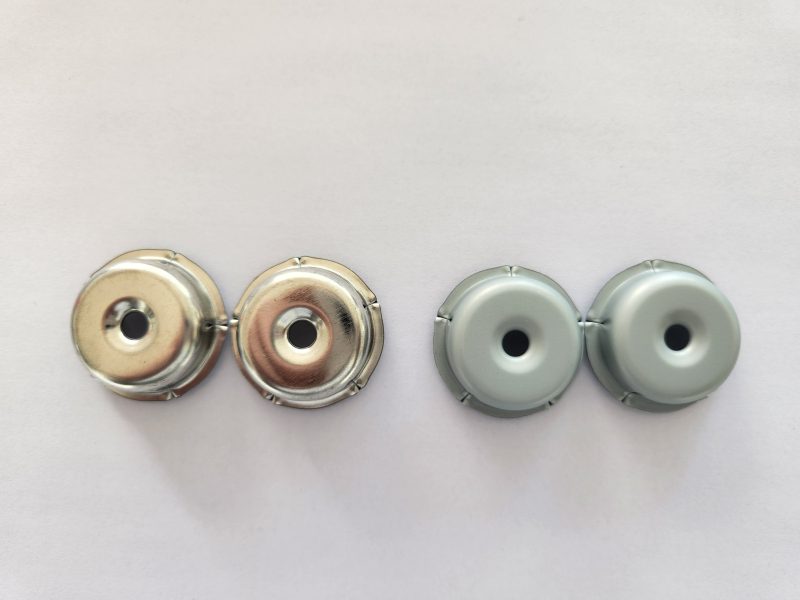
Material Characteristics of PE Foam Gaskets for Paint Buckets
When selecting gaskets for paint buckets, material performance directly impacts sealing effectiveness, chemical resistance, and durability. Polyethylene (PE) foam has emerged as a popular choice due to its unique combination of physical and chemical properties. This article explores the key characteristics of PE foam gaskets and their suitability for paint storage applications.
Lightweight yet Durable Structure
PE foam gaskets are engineered with a closed-cell structure formed through physical or chemical foaming processes. This structure creates countless independent air bubbles within the material, resulting in a lightweight yet robust design. The low density of PE foam reduces the overall weight of paint buckets, making them easier to handle during transportation and storage. Despite their lightweight nature, these gaskets maintain excellent mechanical strength, resisting compression and deformation under normal operating conditions.
The closed-cell architecture also contributes to the material’s dimensional stability. Unlike open-cell foams, PE foam does not absorb moisture or chemicals, preventing swelling or shrinkage that could compromise the seal. This stability ensures consistent performance across varying environmental conditions, from humid warehouses to dry production floors.
Enhanced Chemical Resistance
One of the most significant advantages of PE foam gaskets lies in their resistance to a wide range of chemicals commonly found in paint formulations. The polyethylene base polymer exhibits excellent stability when exposed to:
- Water-based paints: PE foam remains unaffected by the alkaline or acidic components often present in latex and acrylic paints.
- Solvent-based coatings: While not completely impervious to all solvents, PE foam demonstrates superior resistance compared to natural rubber or nitrile compounds when exposed to mineral spirits and other mild solvents.
- Corrosive substances: The material’s inert nature prevents reactions with pigments, additives, and preservatives, maintaining seal integrity over extended storage periods.
This chemical resistance minimizes the risk of gasket degradation, which could lead to leaks, contamination, or product spoilage. For applications involving aggressive solvents or high concentrations of corrosive chemicals, specialized formulations with enhanced chemical barriers may be considered.
Thermal and Environmental Adaptability
PE foam gaskets perform reliably across a broad temperature range, typically from -40°C to 80°C. This thermal stability makes them suitable for:
- Cold storage: Paints stored in unheated warehouses during winter months remain protected from temperature-induced contraction that could weaken seals.
- Hot climates: In regions with high ambient temperatures, the material resists softening or melting, preventing seal failure.
- Transportation: During shipping, paint buckets may experience significant temperature fluctuations. PE foam’s consistent performance under these conditions ensures product safety.
The material’s low thermal conductivity also provides incidental insulation benefits, helping to maintain paint consistency by reducing the impact of external temperature changes on the stored product.
Flexibility and Sealing Performance
The inherent flexibility of PE foam allows it to conform to irregularities in both the bucket rim and lid surfaces. This adaptability creates an effective barrier against:
- Air infiltration: Prevents oxidation and skinning of paint surfaces.
- Moisture ingress: Protects water-sensitive formulations from humidity-related degradation.
- Vapor transmission: Minimizes solvent loss in volatile coatings, maintaining product viscosity and application properties.
When compressed between mating surfaces, PE foam gaskets exhibit excellent memory retention, springing back to their original shape after use. This property ensures multiple reuse cycles without significant loss of sealing performance, reducing waste and operational costs.
Environmental Sustainability
Modern manufacturing processes for PE foam gaskets increasingly emphasize environmental responsibility. Many formulations now incorporate:
- Recycled content: Using post-consumer or post-industrial recycled polyethylene reduces raw material consumption.
- Recyclability: PE foam can often be processed through standard plastic recycling streams at end-of-life.
- Reduced emissions: Advanced foaming techniques minimize volatile organic compound (VOC) emissions during production.
These sustainability features align with growing industry demands for eco-friendly packaging solutions without compromising functional performance.
Application Considerations
While PE foam gaskets offer numerous benefits, certain factors should be evaluated for optimal performance:
- Compatibility testing: Verify chemical resistance with specific paint formulations, especially those containing unconventional solvents or additives.
- Compression settings: Proper torque application during bucket assembly ensures adequate gasket compression without overstressing the material.
- Storage conditions: Avoid prolonged exposure to direct sunlight or UV radiation, which may cause surface degradation over time.
- Shelf life: While PE foam resists aging better than many rubber compounds, storage in cool, dry environments extends usable life.
By understanding these material characteristics and application guidelines, manufacturers and users can leverage PE foam gaskets to create reliable, cost-effective sealing solutions for paint storage containers. The combination of lightweight construction, chemical resistance, and environmental adaptability makes PE foam an attractive choice across diverse industrial and commercial applications.