
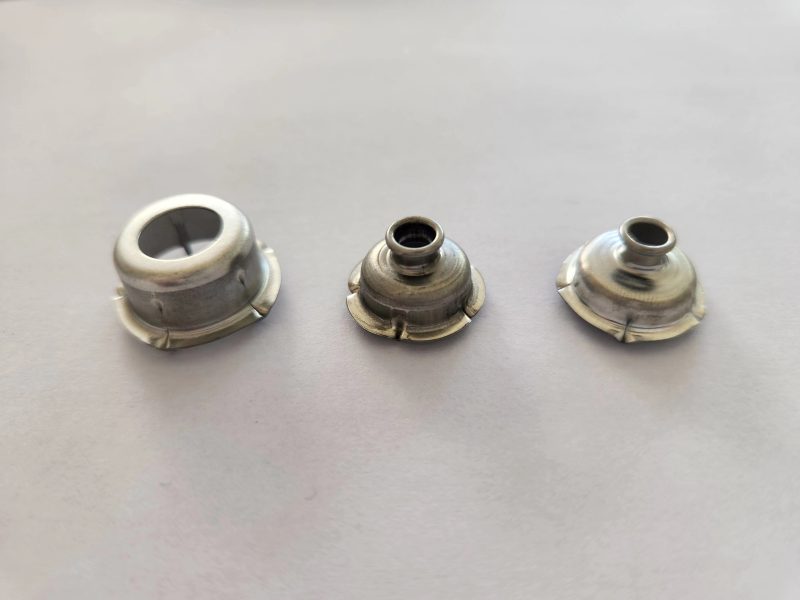
A Comprehensive Guide to Selecting Gaskets Based on Paint Container Types
Choosing the right gasket for a paint container is not a one-size-fits-all decision. The design, material, and dimensions of the container directly influence the type of gasket required to ensure a secure seal, prevent leaks, and maintain chemical stability. This guide explores how to match gaskets to different paint container types, focusing on practical considerations without brand or product bias.
Standard Round Paint Cans: Key Adaptation Factors
Round paint cans are among the most common storage solutions for liquid paints, primers, and coatings. Their cylindrical shape and removable lids create unique challenges for gasket selection. The primary goal is to achieve an airtight and liquid-tight seal that withstands pressure changes during storage and transportation.
Lid Design and Compression Fit
The lid of a round paint can typically features a rolled edge or a crimped flange that presses against the gasket. Gaskets for these containers must have sufficient elasticity to conform to the lid’s shape under compression. Materials like nitrile rubber or silicone are popular choices due to their flexibility and resistance to compression set—a condition where the gasket fails to rebound after being compressed.
The thickness of the gasket is another critical factor. A gasket that is too thin may not fill gaps between the lid and container, leading to leaks. Conversely, an overly thick gasket can make closing the lid difficult or cause uneven pressure distribution, compromising the seal. Testing different thicknesses under simulated conditions can help identify the optimal balance.
Chemical Resistance for Long-Term Storage
Paints often contain solvents, pigments, and additives that can degrade gasket materials over time. For round cans storing alkyd or oil-based paints, gaskets must resist swelling, cracking, or hardening when exposed to hydrocarbon solvents. Fluoropolymer-based gaskets or those coated with a chemical-resistant layer are effective solutions for these applications.
Water-based paints, while less aggressive, may still contain ammonia or other alkaline compounds that affect certain elastomers. Gaskets made from EPDM (ethylene propylene diene monomer) or cross-linked polyethylene (XLPE) offer excellent resistance to water and mild chemicals, making them suitable for eco-friendly or low-VOC paint formulations.
Square and Rectangular Paint Containers: Unique Sealing Challenges
Square or rectangular paint containers are often used for industrial coatings, adhesives, or specialty finishes. Their angular design introduces complexities in achieving a uniform seal, as corners and edges create stress points that can lead to leaks if not addressed properly.
Corner Reinforcement and Material Flexibility
Gaskets for square containers must accommodate the sharp corners without tearing or losing elasticity. Materials with high tear strength, such as reinforced silicone or thermoplastic elastomers (TPEs), are ideal for these applications. Some gaskets feature molded corners or beveled edges that distribute pressure more evenly, reducing the risk of failure at stress points.
The gasket’s ability to flex without permanent deformation is also crucial. During lid closure, the gasket may experience bending or twisting, especially near the corners. A material with good memory—the ability to return to its original shape after deformation—ensures the gasket maintains its sealing properties over repeated use.
Lid Attachment Mechanisms
Square containers may use different lid attachment methods, such as screw caps, snap-on lids, or hinged designs. Each mechanism requires a specific gasket configuration. For screw caps, gaskets with a flat profile and precise outer diameter are necessary to create a thread-to-thread seal. Snap-on lids, on the other hand, benefit from gaskets with a ribbed or textured surface that enhances grip and prevents slippage.
Hinged lids pose unique challenges, as the gasket must remain in place during opening and closing cycles. Adhesive-backed gaskets or those designed with interlocking features can stay securely attached to the lid or container, ensuring consistent performance over time.
Pails and Drums: Heavy-Duty Sealing Solutions
Larger paint containers, such as pails and drums, are used for high-volume storage or transportation of industrial-grade coatings. These containers often endure rough handling, temperature extremes, and prolonged exposure to chemicals, demanding gaskets with superior durability and sealing capabilities.
Pressure and Vacuum Resistance
Pails and drums may be subjected to internal pressure changes during filling, shipping, or storage. For example, paints that emit gases as they cure can create positive pressure, while cold temperatures can lead to vacuum conditions as the contents contract. Gaskets for these containers must withstand both scenarios without losing their seal.
Materials like viton (fluorinated rubber) or butyl rubber excel in pressure and vacuum applications due to their low permeability and high tensile strength. Some gaskets incorporate metal inserts or spring-loaded designs to enhance their ability to maintain a seal under fluctuating pressures.
Gasket Retention and Lid Security
The larger surface area of pail and drum lids increases the risk of gasket displacement during handling. Gaskets must be securely retained to prevent them from shifting or falling out, which could compromise the seal. Solutions include gaskets with integrated retention rings, adhesive backings, or molded-in features that lock them into place on the lid or container flange.
Lid security is another critical consideration. Bolted or lever-lock closures are common for pails and drums, requiring gaskets that can handle the high compression forces generated by these mechanisms. Gaskets with a high durometer (hardness) rating are less likely to deform under pressure, ensuring a long-lasting seal.
By understanding the specific demands of round cans, square containers, and pails/drums, buyers can select gaskets tailored to their unique requirements. This approach not only enhances safety and performance but also extends the lifespan of both the gasket and the paint container, reducing waste and operational costs.