
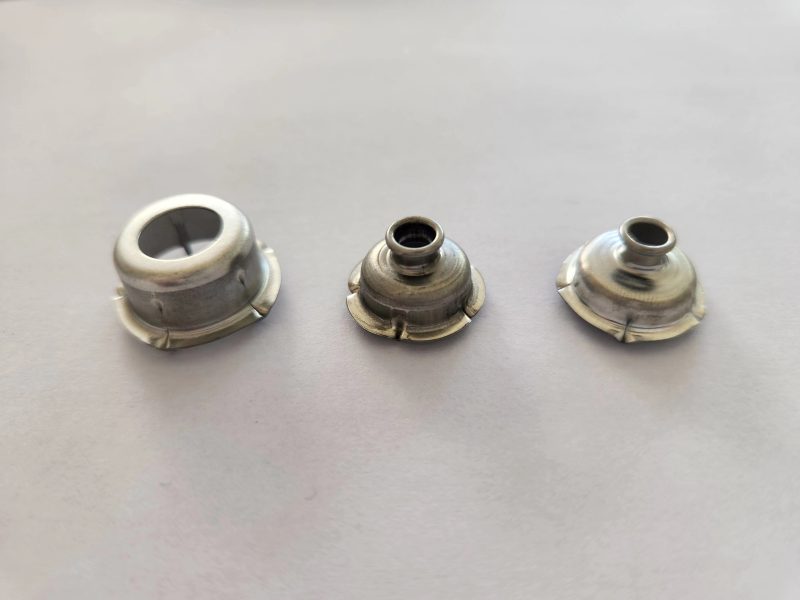
Non-Metallic Gaskets for Paint Buckets: Key Characteristics and Performance Insights
Understanding Non-Metallic Gaskets
Non-metallic gaskets are widely used in paint bucket applications due to their flexibility, chemical resistance, and cost-effectiveness. Unlike metallic alternatives, these gaskets are made from materials like rubber, silicone, PTFE, or cork, which can conform to irregular surfaces and compensate for minor imperfections in sealing areas. Their ability to create a tight seal without requiring excessive compression makes them ideal for preventing leaks and contamination in paint storage containers.
Material Composition Basics
Non-metallic gaskets derive their properties from their base polymers or natural materials. For example, rubber gaskets may be made from nitrile, neoprene, or EPDM, each offering distinct advantages. Silicone gaskets provide high-temperature resistance, while PTFE gaskets excel in chemical inertness. Cork gaskets, though less common, offer natural compressibility and are suitable for low-pressure applications. The choice of material depends on the specific requirements of the paint formulation and storage conditions.
Chemical Resistance: A Core Strength
One of the primary reasons non-metallic gaskets are preferred for paint buckets is their exceptional chemical resistance. Different materials offer varying levels of protection against aggressive solvents and additives commonly found in paints.
Resistance to Solvents and Additives
Many paints contain volatile organic compounds (VOCs) like acetone, toluene, and xylene, which can degrade certain materials. PTFE gaskets, for instance, are completely inert to these solvents, making them ideal for storing solvent-based paints. Nitrile rubber gaskets also perform well against oils and fuels, though they may not be suitable for all aromatic hydrocarbons. EPDM rubber, on the other hand, resists water-based formulations and mild acids but should be avoided with oil-based products.
Stability Against Acids and Alkalis
Certain paints, especially industrial coatings, may contain acidic or alkaline components. Silicone gaskets remain stable in contact with weak acids and alkalis, while PTFE is unaffected by even strong chemical agents. This chemical stability ensures that the gasket does not react with the paint, preventing contamination and maintaining product integrity over time.
Thermal Performance: Withstanding Temperature Extremes
Paint manufacturing and storage often involve temperature fluctuations, from room temperature to elevated curing temperatures. Non-metallic gaskets must maintain their sealing properties across these ranges to avoid failure.
High-Temperature Resistance
Silicone gaskets are renowned for their ability to withstand high temperatures, often operating at continuous temperatures up to 230°C (446°F) and short-term exposure to even higher levels. This makes them suitable for paint buckets used in automotive or aerospace applications, where curing processes may involve extreme heat. PTFE gaskets also perform well at elevated temperatures, though their mechanical properties may degrade slightly above 260°C (500°F).
Low-Temperature Flexibility
In cold storage or transport, paint buckets may be exposed to sub-zero temperatures. Certain rubber compounds, like EPDM, retain flexibility down to -60°C (-76°F), preventing brittleness and ensuring a reliable seal. Silicone gaskets also perform well in low temperatures, maintaining their elasticity without cracking or losing compression.
Mechanical Properties: Durability and Flexibility
Non-metallic gaskets must balance flexibility with durability to withstand repeated opening and closing of paint buckets without losing their sealing ability.
Compression Set Resistance
Compression set refers to a material’s ability to recover its original shape after being compressed. Gaskets with low compression set, such as silicone or high-quality rubber compounds, maintain a tight seal over time, even under repeated use. This is critical for paint buckets that may be opened and closed frequently during dispensing or mixing.
Tensile Strength and Tear Resistance
While non-metallic gaskets are generally more flexible than metallic ones, they still require sufficient tensile strength to avoid tearing during installation or use. Reinforced rubber gaskets, for example, may include fabric inserts to enhance their tear resistance without compromising flexibility. PTFE gaskets, though less flexible, offer excellent tensile strength and are difficult to deform under pressure.
Applications Beyond Paint Buckets
Though this article focuses on paint storage, non-metallic gaskets are versatile enough for other industrial uses:
Food and Beverage Industry
Silicone and certain rubber compounds are FDA-approved for food contact, making them suitable for sealing containers storing edible oils, sauces, or beverages. Their chemical inertness ensures no contamination of the product, while their flexibility accommodates thermal expansion and contraction during processing.
Pharmaceutical Sector
In pharmaceutical manufacturing, cleanliness and chemical resistance are paramount. PTFE and silicone gaskets are commonly used in storage vessels and reactors due to their non-reactive nature and ability to maintain sterile conditions.
Automotive Refinishing
Paint buckets used in automotive refinishing must withstand harsh chemicals and high temperatures during curing. Non-metallic gaskets with nitrile or silicone reinforcement provide reliable sealing in these demanding environments, preventing leaks and ensuring consistent paint quality.
Conclusion: Why Non-Metallic Gaskets Excel
Non-metallic gaskets offer a compelling combination of chemical resistance, thermal stability, and mechanical durability, making them ideal for paint bucket applications. Their ability to conform to irregular surfaces, withstand aggressive solvents, and maintain sealing integrity under temperature extremes ensures reliable performance in diverse storage conditions. Whether for water-based, solvent-based, or industrial-grade paints, non-metallic gaskets provide a cost-effective and long-lasting sealing solution.