
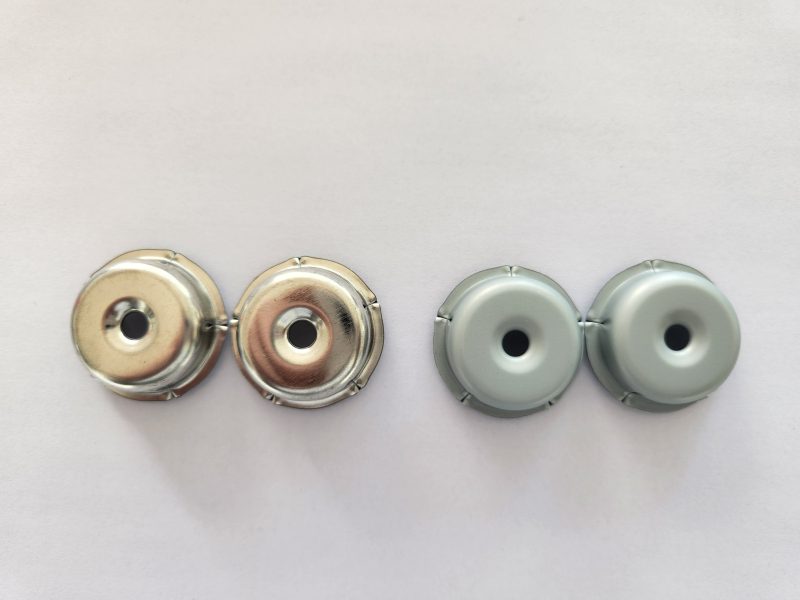
Metal Composite Gaskets for Paint Buckets: Material Composition and Performance Analysis
Understanding Metal Composite Gaskets
Metal composite gaskets represent a hybrid solution combining metallic and non-metallic materials to achieve optimal sealing performance. Unlike single-material gaskets, these composites leverage the strength of metals with the flexibility of non-metals, making them ideal for applications involving chemical exposure, temperature fluctuations, and mechanical stress. For paint buckets, which often store aggressive solvents and require reliable long-term sealing, metal composite gaskets offer a durable and cost-effective choice.
Structural Design Principles
The core structure of metal composite gaskets involves a metallic skeleton reinforced with non-metallic layers. The metallic component, typically stainless steel or carbon steel, provides mechanical strength and resistance to deformation under pressure. The non-metallic layer, often made from materials like flexible graphite, PTFE (polytetrafluoroethylene), or rubber, enhances sealing by conforming to irregular surfaces and compensating for minor imperfections. This dual-layer design ensures both high-pressure resistance and chemical inertness.
Key Material Components
Metallic Backbone Materials
- Stainless Steel
Stainless steel is widely used in metal composite gaskets due to its excellent corrosion resistance and durability. Variants like 304 and 316 grades contain chromium and nickel, which form a passive oxide layer on the surface, protecting against rust and chemical attack. This makes stainless steel suitable for paint buckets storing water-based or mildly acidic coatings. - Carbon Steel
Carbon steel offers superior strength and hardness compared to stainless steel, making it ideal for high-pressure applications. However, it requires protective coatings or cladding to prevent corrosion when exposed to aggressive chemicals. In metal composite gaskets, carbon steel is often paired with non-metallic layers like PTFE to mitigate corrosion risks while maintaining structural integrity.
Non-Metallic Reinforcement Layers
- Flexible Graphite
Flexible graphite is a popular choice for non-metallic layers due to its exceptional thermal stability and chemical resistance. It can withstand temperatures up to 650°C and remains inert to most acids, alkalis, and organic solvents. For paint buckets, graphite-reinforced gaskets ensure reliable sealing even when exposed to volatile organic compounds (VOCs) commonly found in solvent-based paints. - PTFE (Polytetrafluoroethylene)
PTFE is renowned for its non-stick properties and extreme chemical resistance. It is unaffected by almost all chemicals, including strong acids, bases, and solvents, making it an excellent choice for paint buckets storing aggressive formulations. PTFE’s low friction coefficient also reduces wear and tear on sealing surfaces, extending the gasket’s lifespan. - Rubber Compounds
Certain rubber compounds, such as nitrile rubber (NBR) or silicone rubber, are used in metal composite gaskets for their flexibility and elasticity. NBR offers excellent resistance to oils and fuels, while silicone rubber performs well at high temperatures and remains stable under UV exposure. These properties make rubber-reinforced gaskets suitable for paint buckets used in automotive or industrial settings where exposure to oils or extreme conditions is common.
Performance Advantages in Paint Bucket Applications
Chemical Resistance
Metal composite gaskets excel in chemical resistance due to their non-metallic layers. For instance, PTFE-reinforced gaskets can withstand prolonged exposure to solvents like acetone, toluene, and xylene without degradation. Similarly, graphite-reinforced gaskets remain stable in the presence of strong acids and alkalis, ensuring no contamination of the stored paint.
Thermal Stability
Paint manufacturing and storage often involve temperature variations, from room temperature to elevated curing temperatures. Metal composite gaskets, with their metallic skeletons and thermally stable non-metallic layers, maintain their sealing properties across a wide temperature range. For example, stainless steel-PTFE composites can operate from -200°C to 260°C without losing elasticity or chemical resistance.
Mechanical Durability
The metallic component of these gaskets provides high tensile strength and resistance to compression set, ensuring long-term reliability under repeated opening and closing of paint buckets. The non-metallic layer acts as a cushion, absorbing vibrations and preventing damage to the sealing surface. This combination of strength and flexibility minimizes leakage risks and extends the service life of the gasket.
Applications Beyond Paint Buckets
While this article focuses on paint bucket seals, metal composite gaskets are versatile enough for other industrial applications:
Automotive Industry
In automotive refinishing, paint buckets must withstand harsh chemicals and high temperatures during curing. Metal composite gaskets with NBR or silicone reinforcement are commonly used in these settings due to their oil resistance and thermal stability.
Chemical Processing
For storage tanks and reactors handling corrosive chemicals, metal composite gaskets with PTFE or graphite reinforcement provide a reliable sealing solution. Their ability to resist chemical attack and maintain integrity under pressure makes them indispensable in chemical processing plants.
Food and Beverage
In food-grade applications, metal composite gaskets with silicone or FDA-approved rubber layers ensure hygienic sealing without contaminating the product. These gaskets are used in storage containers for edible oils, sauces, and other food products where chemical resistance and cleanliness are paramount.
Conclusion: Why Metal Composite Gaskets Stand Out
Metal composite gaskets offer a unique blend of strength, flexibility, and chemical resistance, making them ideal for paint bucket applications. By combining metallic skeletons with non-metallic reinforcement layers, these gaskets address the challenges of sealing aggressive chemicals, withstanding temperature fluctuations, and enduring mechanical stress. Their versatility extends beyond paint storage to various industrial sectors, where reliability and durability are critical. For manufacturers seeking a cost-effective and long-lasting sealing solution, metal composite gaskets remain an unmatched choice.