
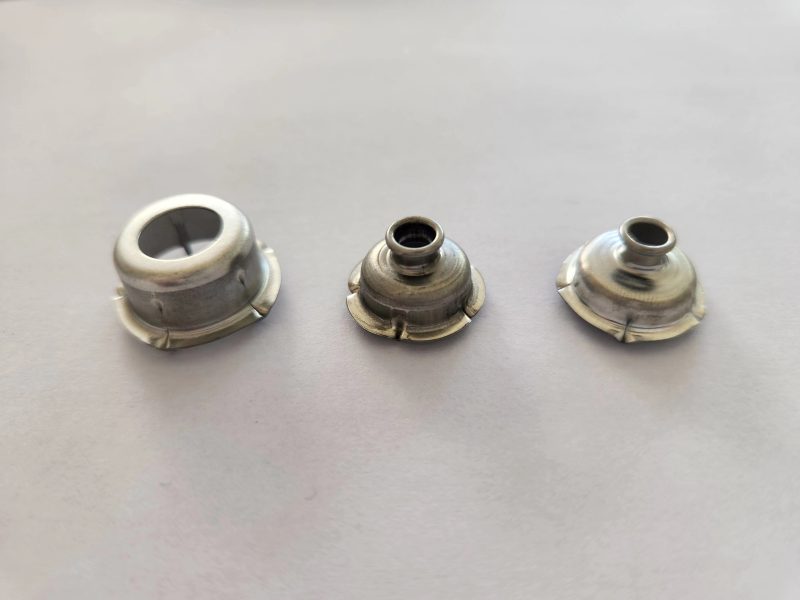
Understanding the Material Characteristics of Polytetrafluoroethylene (PTFE) Paint Bucket Gaskets
When it comes to the sealing of paint buckets, the choice of gasket material is a critical factor that impacts the overall performance, safety, and longevity of the stored paint. Polytetrafluoroethylene, commonly known as PTFE, has emerged as a highly favored material for paint bucket gaskets due to its exceptional set of properties. This article will explore the key material characteristics that make PTFE an ideal choice for this application.
Superior Chemical Resistance
Inertness to a Wide Range of Chemicals
PTFE is renowned for its remarkable chemical inertness. It is resistant to almost all common chemicals found in paint formulations, including acids, bases, solvents, and oxidizing agents. This means that when used as a paint bucket gasket, PTFE will not react with the paint components, preventing any chemical degradation or contamination of the paint. For instance, paints often contain organic solvents like acetone, toluene, and xylene, which can be highly corrosive to many materials. However, PTFE remains unaffected by these solvents, ensuring that the gasket maintains its integrity and sealing function over time.
Resistance to Hydrolysis
In addition to its resistance to common chemicals, PTFE also exhibits excellent resistance to hydrolysis. This property is particularly important when dealing with water – based paints. Water can cause hydrolysis in some materials, leading to their breakdown and loss of mechanical properties. But PTFE’s stable chemical structure prevents it from undergoing hydrolysis, even when exposed to water – based paints for extended periods. This ensures that the gasket remains effective in preventing paint leakage and maintaining the quality of the stored paint.
High – Temperature Performance
Thermal Stability
PTFE has a high melting point, typically around 327°C (620.6°F), which gives it excellent thermal stability. In the context of paint bucket applications, this means that PTFE gaskets can withstand high temperatures that may be encountered during paint manufacturing, storage, or transportation. For example, during the curing process of some paints, heat may be applied to accelerate the reaction. PTFE gaskets can tolerate these elevated temperatures without melting, deforming, or losing their sealing ability, ensuring that the paint remains securely contained within the bucket.
Low – Temperature Flexibility
While PTFE is known for its high – temperature resistance, it also retains good flexibility at low temperatures. In cold storage or transportation conditions, some materials may become brittle and crack, leading to seal failure. However, PTFE remains pliable even at sub – zero temperatures, allowing it to maintain a tight seal around the paint bucket rim. This low – temperature flexibility is crucial for ensuring the reliability of the gasket in various environmental conditions.
Low Friction and Non – Stick Properties
Easy Installation and Removal
The low friction coefficient of PTFE makes it extremely easy to install and remove paint bucket gaskets. When installing a gasket, a low – friction material reduces the force required to position it correctly around the bucket rim, minimizing the risk of damage to the gasket or the bucket. Similarly, during removal, PTFE’s non – stick properties prevent the gasket from adhering too strongly to the bucket, making it easy to take off without leaving any residue or causing damage to the surface. This ease of installation and removal is not only convenient for users but also helps to extend the lifespan of the gasket by reducing the potential for mechanical damage during handling.
Prevention of Paint Build – Up
The non – stick nature of PTFE also plays a crucial role in preventing paint build – up on the gasket surface. When paint comes into contact with a non – PTFE gasket, it may adhere to the surface, forming a layer that can harden over time. This build – up can interfere with the gasket’s ability to create a tight seal, leading to paint leakage. However, PTFE’s non – stick properties prevent paint from adhering, ensuring that the gasket surface remains clean and free from build – up. This helps to maintain the gasket’s sealing performance and extends its useful life.
Application Considerations and Long – Term Benefits
Compatibility with Different Paint Types
PTFE’s chemical inertness and non – stick properties make it compatible with a wide variety of paint types, including oil – based, water – based, and solvent – based paints. This versatility allows paint manufacturers and users to use a single type of gasket for different paint products, simplifying inventory management and reducing costs. Whether dealing with highly corrosive industrial paints or delicate artistic paints, PTFE gaskets can provide reliable sealing performance.
Long – Term Durability and Cost – Effectiveness
Due to its excellent chemical resistance, high – temperature performance, and low – friction properties, PTFE paint bucket gaskets offer long – term durability. They are less likely to degrade, crack, or lose their sealing ability over time compared to other materials. This longevity reduces the need for frequent gasket replacements, resulting in cost savings for paint manufacturers and users. Additionally, the reliable sealing performance of PTFE gaskets helps to prevent paint leakage, reducing waste and ensuring the quality of the stored paint, which further contributes to cost – effectiveness in the long run.