
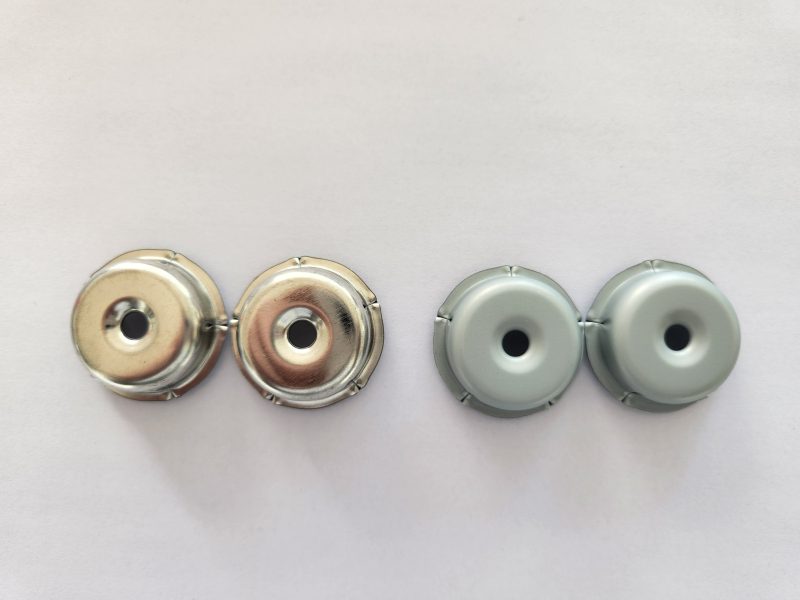
Material Characteristics of Composite Woven Aluminum Gaskets for Paint Buckets
Composite woven aluminum gaskets have gained prominence in paint bucket sealing applications due to their unique blend of mechanical strength, chemical resistance, and thermal properties. This material combines woven aluminum with specialized polymers to create a solution that addresses the demanding requirements of industrial paint storage and transportation.
Enhanced Mechanical Strength and Durability
The woven aluminum component forms the structural backbone of these gaskets, providing exceptional tensile strength and tear resistance. The aluminum strands, typically woven in a crosshatch pattern, create a lattice that distributes mechanical stress evenly across the gasket surface. This construction prevents localized failure points, ensuring consistent sealing performance even under heavy loads or rough handling.
When combined with polymer layers, the woven aluminum enhances the material’s resistance to puncturing and abrasion. This durability proves particularly valuable during automated filling processes where metal components might contact the gasket surface. The material maintains its integrity through thousands of compression cycles without developing permanent deformation or compression set, extending service life significantly compared to traditional elastomers.
The woven structure also contributes to dimensional stability. Unlike solid aluminum sheets, the woven design allows slight flexibility that helps the gasket conform to irregular container surfaces while maintaining sufficient rebound force for effective sealing. This balance between rigidity and flexibility ensures reliable performance across various paint bucket designs and manufacturing tolerances.
Superior Chemical and Environmental Resistance
Composite woven aluminum gaskets demonstrate excellent resistance to the aggressive chemicals commonly found in paint formulations. The aluminum component provides inherent resistance to corrosion from acidic or alkaline substances, while the polymer layers protect against solvent penetration. This dual-layer defense prevents chemical attack that could degrade sealing performance or contaminate paint contents.
The material’s resistance extends to environmental factors as well. It withstands prolonged exposure to UV radiation without surface cracking or embrittlement, making it suitable for outdoor storage applications. In humid environments, the polymer layers prevent moisture absorption that could lead to swelling or loss of adhesion, while the aluminum component remains unaffected by water exposure.
Temperature extremes pose no significant challenge to these gaskets. They maintain flexibility at temperatures as low as -50°C, preventing brittleness in cold chain logistics. Conversely, they resist deformation at temperatures exceeding 200°C, supporting hot-fill processes and storage in high-temperature environments. This thermal stability ensures consistent performance across global supply chains with varying climatic conditions.
Thermal Management and Energy Efficiency
The aluminum component in these composite gaskets provides valuable thermal management properties. Aluminum’s high thermal conductivity helps dissipate heat generated during paint curing processes or from environmental exposure, preventing localized temperature buildup that could affect paint quality. This heat dissipation capability proves particularly valuable for solvent-based paints that require controlled drying conditions.
When combined with insulating polymer layers, the material creates a balanced thermal profile. The aluminum conducts heat away from sensitive areas while the polymer provides a degree of insulation, preventing excessive heat loss in cold environments. This dual functionality supports optimal paint storage conditions without requiring additional thermal control systems.
The reflective properties of aluminum also contribute to energy efficiency. In storage facilities, aluminum-containing gaskets reflect radiant heat, reducing the cooling load during warm months and minimizing heat gain in cold storage applications. This passive thermal management reduces energy consumption and operational costs over the product lifecycle.
Customization Potential and Application Versatility
Manufacturers can tailor composite woven aluminum gaskets to specific application requirements through adjustments in material composition and construction. By varying the aluminum strand thickness, weave pattern, and polymer type, engineers can optimize properties such as flexibility, chemical resistance, and thermal conductivity for different paint formulations and storage conditions.
This versatility extends beyond standard paint buckets to specialized containers used in automotive, aerospace, and marine coatings. The material’s resistance to aggressive chemicals makes it suitable for storing two-part epoxies and other reactive coatings, while its durability supports the rigors of industrial handling and transportation.
The gaskets’ cleanliness and non-contaminating properties also make them valuable in food-grade and pharmaceutical packaging applications where product purity is paramount. When manufactured under appropriate hygienic conditions, these materials can comply with strict regulatory standards for indirect food contact and medical device packaging.