
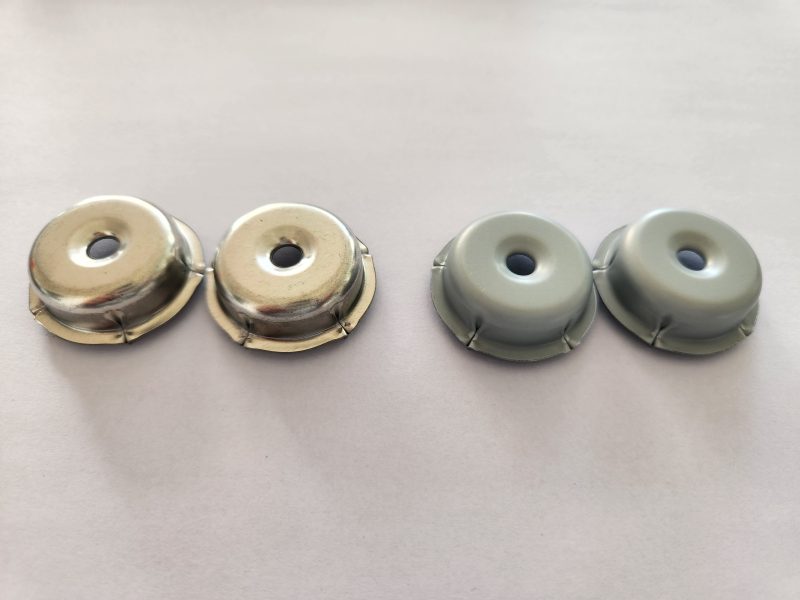
Effective Methods for Removing Stains from Paint Bucket Gaskets and Maintaining Them
Paint bucket gaskets are essential for creating airtight seals, but over time, they can accumulate stubborn stains from paint, solvents, or environmental contaminants. These stains not only affect the appearance of the gaskets but can also compromise their sealing ability if left untreated. Proper stain removal and maintenance are crucial for ensuring the gaskets remain functional and durable. Here’s a detailed guide on how to remove stains from paint bucket gaskets and keep them in optimal condition.
Identifying Common Types of Stains on Gaskets
Paint Residue Stains
One of the most frequent stains on paint bucket gaskets is dried paint residue. This occurs when paint drips or splatters onto the gasket during use and hardens over time. Paint residue can make the gasket surface rough, preventing it from forming a proper seal with the bucket lid. Identifying paint residue is straightforward—it often appears as colored patches or streaks on the gasket and may feel tacky or rough to the touch.
Solvent and Chemical Stains
Certain solvents or chemicals used in painting projects, such as thinners or cleaners, can leave behind stains on gaskets. These stains may manifest as discoloration, a greasy film, or a change in the gasket’s texture. Solvent stains are particularly concerning because they can weaken the gasket material over time, leading to cracks or brittleness. If you notice unusual odors or a sticky residue on the gasket after exposure to chemicals, it’s likely a solvent stain.
Environmental and Dirt Stains
Environmental factors like dust, dirt, or moisture can also cause stains on paint bucket gaskets. These stains are often gray or brown and may appear as a layer of grime on the surface. While they may not immediately affect the gasket’s sealing ability, they can harbor bacteria or accelerate material degradation if not cleaned regularly. Environmental stains are common in workshops or storage areas with poor ventilation or high humidity levels.
Safe and Effective Stain Removal Techniques
Gentle Cleaning with Mild Solutions
For most stains, a gentle cleaning approach is the safest and most effective. Start by preparing a mild cleaning solution using warm water and a small amount of dish soap or a neutral pH cleaner. Dip a soft-bristled brush or a microfiber cloth into the solution and gently scrub the stained areas of the gasket. Avoid using abrasive materials like steel wool or harsh chemicals, as these can scratch or damage the gasket surface. Rinse the gasket thoroughly with clean water and pat it dry with a lint-free cloth.
Using Natural Solvents for Stubborn Stains
If mild cleaning doesn’t remove stubborn paint or solvent stains, consider using natural solvents like vinegar or lemon juice. These substances are effective at breaking down organic stains without causing harm to most gasket materials. Soak a cloth in the solvent and place it over the stained area for a few minutes to allow the stain to loosen. Then, gently scrub the area with the cloth or a soft brush. Rinse the gasket with water and dry it completely before reuse. Always test the solvent on a small, inconspicuous area first to ensure compatibility.
Mechanical Removal for Hardened Residue
For extremely hardened paint or chemical residue, mechanical removal may be necessary. Use a plastic scraper or a non-metallic tool to carefully scrape away the residue without gouging the gasket surface. Apply minimal pressure and work slowly to avoid damaging the material. After scraping, follow up with a gentle cleaning using the mild solution mentioned earlier to remove any remaining particles. This method is best suited for thick, caked-on stains that cannot be removed through chemical means alone.
Maintaining Gaskets After Stain Removal
Regular Inspection for Early Stain Detection
Preventing stains from becoming severe requires regular inspection of your paint bucket gaskets. Set aside time each month to examine the gaskets for signs of new stains, discoloration, or damage. Early detection allows you to address issues before they worsen, reducing the need for aggressive cleaning methods that could harm the gasket. Use a magnifying glass or bright light to inspect hard-to-see areas, such as the inner edges or folds of the gasket.
Applying Protective Coatings or Conditioners
After removing stains, applying a protective coating or conditioner can help prevent future staining and extend the gasket’s lifespan. Choose a product specifically designed for the gasket material, such as a silicone-based lubricant for rubber gaskets or a plastic conditioner for synthetic materials. Apply a thin, even layer using a soft cloth or applicator pad, ensuring full coverage of the surface. These products create a barrier that repels stains and keeps the gasket flexible and resilient.
Proper Storage to Minimize Stain Exposure
How you store your paint buckets can significantly impact the likelihood of gasket staining. Store buckets in a clean, dry area away from direct sunlight, extreme temperatures, or chemical fumes. Avoid placing buckets on dirty surfaces or in areas prone to dust accumulation. If possible, cover the buckets with a breathable cloth or plastic sheet to protect the gaskets from environmental contaminants. Proper storage reduces the chances of stains forming and makes maintenance easier.
By following these stain removal and maintenance techniques, you can keep your paint bucket gaskets clean, functional, and long-lasting. Regular care not only enhances the appearance of the gaskets but also ensures they continue to provide reliable sealing for your paint storage needs.