
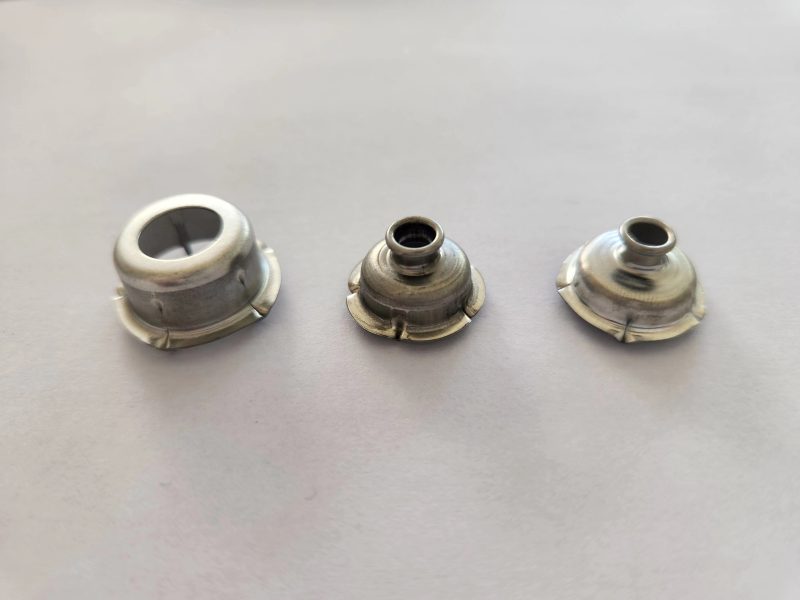
Effective Strategies to Prevent Chemical Corrosion of Paint Bucket Gaskets
Paint bucket gaskets are essential for maintaining an airtight seal and preventing leaks, but they are vulnerable to chemical corrosion from various substances commonly found in paints and cleaning agents. Chemical corrosion can weaken the material, leading to cracks, leaks, and reduced lifespan. By implementing proper maintenance and handling techniques, you can protect your gaskets from chemical damage and ensure they remain effective for longer. Here are some practical approaches to consider.
Understanding the Risks of Chemical Exposure
Common Corrosive Substances in Paints
Paints often contain solvents, acids, and other chemicals that can degrade gasket materials over time. For example, solvent-based paints may contain acetone, toluene, or xylene, which are known to dissolve or weaken certain types of rubber or plastic gaskets. Similarly, acidic cleaners or additives used in paint preparation can corrode the gasket surface, leading to premature failure. Being aware of these substances helps you take proactive steps to minimize exposure.
Identifying Vulnerable Gasket Materials
Not all gasket materials are equally resistant to chemical corrosion. Some common materials used in paint bucket gaskets include natural rubber, neoprene, and silicone. Natural rubber is generally more susceptible to damage from oils and solvents, while neoprene offers better resistance to certain chemicals but may still degrade under prolonged exposure. Silicone gaskets are often more chemically resistant but can still be affected by strong acids or bases. Understanding the material of your gasket allows you to tailor your maintenance approach accordingly.
Long-Term Effects of Chemical Corrosion
Chemical corrosion doesn’t always cause immediate damage; it can weaken the gasket gradually over time. Even small amounts of exposure to corrosive substances can lead to microscopic cracks or changes in the material’s structure, reducing its elasticity and sealing ability. Over time, these small issues can escalate into major leaks or complete gasket failure. Regular inspection and preventive measures are crucial to avoiding long-term damage.
Proper Cleaning and Maintenance Techniques
Using Chemical-Resistant Cleaning Agents
When cleaning paint bucket gaskets, avoid using harsh chemicals that could accelerate corrosion. Instead, opt for mild, non-abrasive cleaners such as warm water mixed with a small amount of dish soap. These solutions are effective at removing paint residues and dirt without introducing corrosive substances. For tougher stains, consider using natural alternatives like white vinegar or lemon juice diluted with water, which are gentle on most gasket materials.
Rinsing Thoroughly to Remove Residues
After cleaning the gasket, ensure all traces of the cleaning agent are removed by rinsing it thoroughly under running water or wiping it down with a clean, damp cloth. Residues from soap or other cleaners can attract dirt or react with the gasket material over time, leading to corrosion. Pay special attention to crevices and grooves where residues might accumulate, as these areas are more prone to damage.
Drying Gaskets Completely Before Storage
Moisture can exacerbate chemical corrosion, especially when combined with residual cleaning agents or paint particles. After rinsing, dry the gasket completely using a lint-free cloth or allow it to air-dry in a well-ventilated area away from direct sunlight or heat sources. Ensure there are no damp spots or creases where water could linger, as these areas are more susceptible to chemical reactions and material degradation.
Safe Handling and Storage Practices
Avoiding Direct Contact with Corrosive Substances
When working with paints or cleaning agents, take steps to prevent direct contact between the gasket and corrosive substances. For example, when pouring paint from the bucket, try to minimize splashes or spills that could land on the gasket. If the gasket does come into contact with a corrosive substance, clean it immediately using the techniques described above to prevent damage.
Storing Gaskets Separately from Chemicals
Store paint bucket gaskets in a dedicated area away from paints, solvents, and other corrosive substances. Even small amounts of fumes or vapors from these chemicals can gradually degrade the gasket material over time. Choose a cool, dry storage location with good ventilation to minimize exposure to airborne contaminants. If storing multiple gaskets, place them in separate containers or wrap them in protective material to prevent cross-contamination.
Using Protective Barriers During Storage
For added protection, consider placing a layer of protective material between the gasket and any potentially corrosive surfaces during storage. For example, you could wrap the gasket in wax paper or place it on a sheet of plastic before storing it in a container. This creates a barrier that prevents direct contact with residual chemicals or moisture, reducing the risk of corrosion.
Regular Inspection and Preventive Measures
Visual Inspection for Early Signs of Corrosion
Regularly inspect your paint bucket gaskets for signs of chemical corrosion, such as discoloration, cracking, or a sticky or gummy texture. These are indicators that the material has been affected by corrosive substances and may be weakened. Pay close attention to areas where the gasket comes into contact with paint or cleaning agents, as these are the most likely spots for damage to occur.
Testing the Seal for Leaks or Weakness
A compromised gasket may not create an effective seal, leading to leaks or air infiltration. To test the seal, close the bucket lid tightly and check for any leaks around the edges. You can also perform a pressure test by pressing down on the lid and listening for air escaping or feeling for movement. If the seal is not tight, the gasket may be corroded and in need of replacement or repair.
Applying Protective Coatings or Lubricants
In some cases, applying a thin layer of protective coating or lubricant can help shield the gasket from chemical corrosion. For example, a food-grade silicone grease or petroleum jelly can create a barrier that prevents corrosive substances from coming into direct contact with the gasket material. Be sure to choose a product that is compatible with your gasket material and won’t cause further damage. Apply the coating sparingly and reapply as needed based on usage and exposure levels.
By following these strategies, you can significantly reduce the risk of chemical corrosion to your paint bucket gaskets, ensuring they remain effective and durable for longer. Proper cleaning, safe handling, and regular inspection are all essential for protecting these crucial components from damage.