
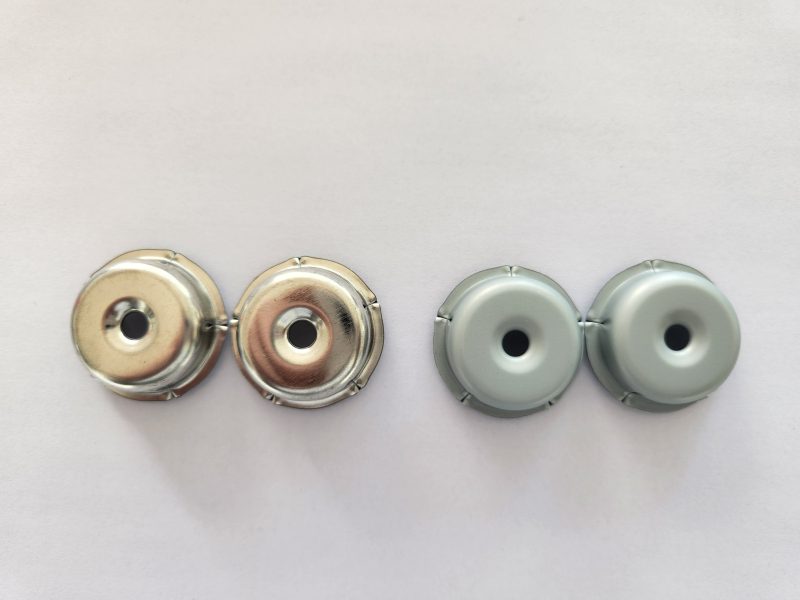
Maintenance Tips for Silk Wipers Used on Paint Bucket Gaskets
Silk wipers are often chosen for their delicate texture and ability to clean without leaving residue, making them ideal for maintaining paint bucket gaskets. However, improper care can damage their fibers or reduce their effectiveness. Below are practical techniques to ensure your silk wipers remain in top condition.
Proper Cleaning Techniques
Immediate Stain Removal
When paint or oil splatters onto a silk wiper, act quickly to prevent permanent staining. Blot the excess substance gently with a dry, absorbent cloth—avoid rubbing, as this pushes the stain deeper into the fibers. For oil-based residues, sprinkle a small amount of cornstarch or talcum powder over the affected area. These powders absorb oils without harsh chemicals, acting like tiny magnets to lift the residue. Let the powder sit for 15–20 minutes, then brush it away with a soft-bristled brush.
Gentle Washing Methods
If the wiper requires deeper cleaning, use a pH-neutral detergent mixed with cool water. Test the solution on an inconspicuous corner first to ensure it doesn’t cause discoloration or texture changes. Dip a clean cotton swab into the diluted soap, ensuring it’s damp but not soaking wet. Dab the stain from the outer edges inward to prevent spreading, then let the solution sit for 2–3 minutes to break down the residue. Rinse by blotting with a cloth dampened with distilled water, then pat dry with a towel.
Avoiding Common Mistakes
Never use hot water, as it can set stains permanently into silk. Similarly, avoid harsh solvents or alkaline detergents, which strip the fabric’s natural proteins and dull its sheen. If the stain persists after initial attempts, resist the urge to scrub—this often frays the fibers. Instead, repeat the powder application or consult a professional cleaner specializing in delicate fabrics.
Storage and Long-Term Care
Ideal Storage Conditions
Store silk wipers in a cool, dry place away from direct sunlight, which can fade colors and weaken fibers over time. Avoid folding them tightly, as this creates creases that may become permanent. Instead, lay them flat or roll them loosely in acid-free tissue paper to maintain their shape. If storing multiple wipers, place a layer of tissue between each to prevent friction-induced damage.
Humidity Control
Silk is sensitive to moisture fluctuations, which can lead to mildew or shrinkage. Use a dehumidifier in humid climates or a humidifier in dry environments to maintain a stable relative humidity of 40–50%. If you live in an area with extreme seasonal changes, consider storing wipers in airtight containers with silica gel packets to absorb excess moisture.
Handling During Use
Minimizing Wear and Tear
When wiping paint bucket gaskets, use light pressure to avoid stretching or distorting the silk. Rotate the wiper frequently to distribute usage evenly across its surface, preventing thinning in high-contact areas. If the wiper becomes saturated with paint or oil, replace it immediately to avoid transferring residue back onto the gasket.
Preventing Cross-Contamination
Designate specific wipers for different types of paint (e.g., oil-based vs. water-based) to prevent chemical reactions between residues. After each use, rinse the wiper briefly with distilled water to remove loose particles, then pat dry before storing. This simple step reduces the buildup of grime that can embed into the fibers over time.
By following these techniques, your silk wipers will remain effective and durable for years. Regular maintenance not only preserves their appearance but also ensures they continue to provide a smooth, lint-free finish for paint bucket gaskets.