
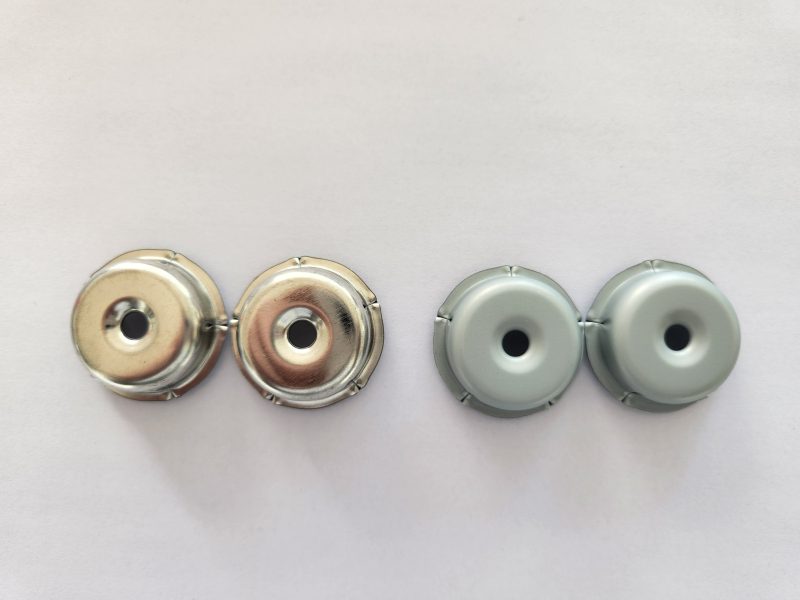
Effective Moisture-Proof Storage and Maintenance Tips for Paint Bucket Gaskets
Paint bucket gaskets are crucial for maintaining an airtight seal, preventing paint leakage, and preserving the quality of the stored paint. However, moisture can pose a significant threat to these gaskets, leading to damage and reduced effectiveness. Here are some practical moisture-proof storage and maintenance techniques to keep your paint bucket gaskets in optimal condition.
Understanding the Impact of Moisture on Paint Bucket Gaskets
Material Degradation
Moisture can cause severe damage to the materials used in paint bucket gaskets, such as rubber or silicone. When exposed to high humidity levels, these materials can absorb moisture, leading to swelling, softening, and loss of elasticity. Over time, this degradation can result in cracks, tears, or deformation of the gasket, compromising its ability to create a tight seal. In extreme cases, prolonged exposure to moisture can even cause the gasket to disintegrate, rendering it completely useless.
Mold and Mildew Growth
Another common problem associated with moisture is the growth of mold and mildew on the gasket surface. These fungi thrive in damp environments and can quickly spread, covering the gasket with unsightly black or green spots. Not only does mold and mildew make the gasket look unappealing, but it can also release spores into the air, which can be harmful to your health if inhaled. Additionally, the presence of mold and mildew can weaken the gasket material, further reducing its lifespan.
Selecting the Right Storage Location
Dry and Well-Ventilated Areas
The first step in moisture-proof storage is choosing the right location for your paint bucket gaskets. Opt for a dry and well-ventilated area, such as a closet or a dedicated storage room with good air circulation. Avoid storing the gaskets in basements, garages, or sheds that are prone to high humidity levels, especially during rainy seasons or in areas with a humid climate. If you must store them in a potentially damp location, take additional measures to control moisture, as discussed below.
Away from Water Sources
It’s also essential to keep the storage area away from water sources, such as sinks, pipes, or windows that may leak. Even a small amount of water can create a moist environment that can damage the gaskets over time. If there are any potential water sources near the storage area, make sure to seal any leaks and take steps to prevent water from entering the space. For example, you can use waterproof sealant around windows or install a dehumidifier to reduce humidity levels.
Using Moisture-Control Methods
Desiccants
Desiccants are substances that absorb moisture from the air, making them an excellent tool for moisture-proof storage. You can place small packets of desiccants, such as silica gel, inside the storage container or bag where you keep your paint bucket gaskets. Silica gel is readily available and can be purchased in bulk at craft stores or online. Make sure to replace the desiccants regularly, especially if they become saturated with moisture, as indicated by a change in color (if they are color-changing desiccants).
Dehumidifiers
If you’re storing a large number of paint bucket gaskets or if the storage area is particularly humid, a dehumidifier can be a valuable investment. Dehumidifiers work by removing excess moisture from the air, helping to maintain a dry environment. There are various types of dehumidifiers available, ranging from small portable units to larger whole-house models. Choose a dehumidifier that is appropriate for the size of your storage area and follow the manufacturer’s instructions for proper use and maintenance.
Proper Packaging and Handling
Sealed Containers or Bags
To further protect your paint bucket gaskets from moisture, store them in sealed containers or bags. Airtight plastic containers or resealable plastic bags are ideal for this purpose. Before placing the gaskets in the container or bag, make sure they are clean and dry. Remove as much air as possible from the bag before sealing it to minimize the amount of moisture that can enter. If using a container, ensure that the lid fits tightly to create an airtight seal.
Gentle Handling
When handling paint bucket gaskets, be gentle to avoid damaging them. Rough handling can create small tears or scratches on the gasket surface, which can provide entry points for moisture. Always pick up the gaskets by their edges and avoid pulling or stretching them unnecessarily. If you need to move the gaskets from one location to another, place them in a sturdy box or container to prevent them from getting crushed or bent.
Regular Inspection and Maintenance
Visual Inspection
Regularly inspect your paint bucket gaskets for signs of moisture damage, even if they are stored in a seemingly dry environment. Look for swelling, softening, cracks, or mold growth on the gasket surface. If you notice any of these signs, take immediate action to address the issue. Depending on the severity of the damage, you may need to clean the gasket, dry it out, or replace it altogether.
Cleaning and Drying
If your paint bucket gaskets have been exposed to moisture, it’s important to clean and dry them thoroughly before storing them again. Use a soft, damp cloth to gently wipe down the gasket surface, removing any dirt or debris. Then, allow the gasket to air dry completely in a well-ventilated area. Avoid using heat sources, such as hair dryers or ovens, to dry the gaskets, as this can cause further damage to the material. Once the gasket is dry, you can store it back in its sealed container or bag using the moisture-proof methods described above.