
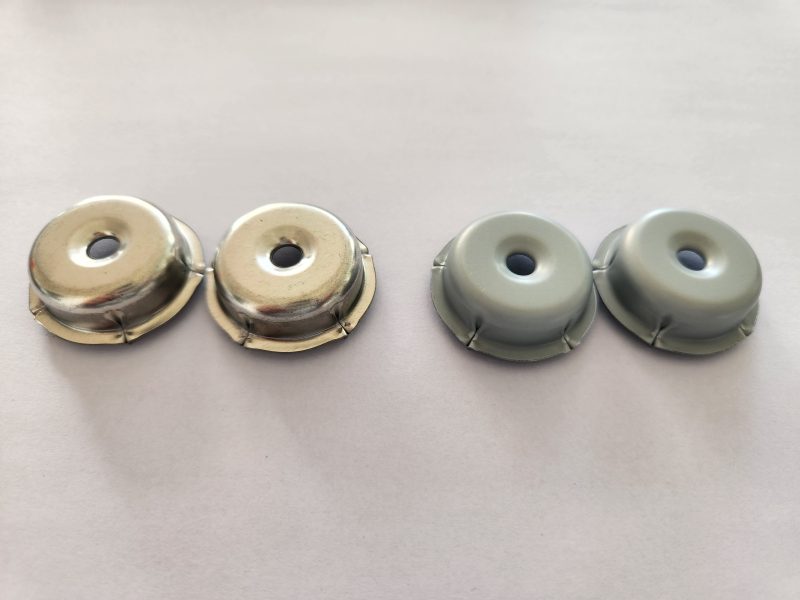
Proper Storage and Maintenance of Paint Bucket Gaskets in Cool, Ventilated Areas
Paint bucket gaskets are essential components that ensure an airtight seal, preventing paint from leaking and maintaining its quality over time. To maximize their lifespan and effectiveness, it’s crucial to store and maintain them correctly, especially in cool and ventilated environments. Here’s a comprehensive guide on how to do just that.
Importance of Cool, Ventilated Storage for Paint Bucket Gaskets
Preventing Material Degradation
One of the primary reasons for storing paint bucket gaskets in a cool, ventilated area is to prevent material degradation. Many gasket materials, such as rubber or silicone, are sensitive to heat. High temperatures can cause these materials to soften, lose their elasticity, or even melt, rendering the gasket ineffective. By keeping them in a cool environment, you can slow down the aging process and maintain the gasket’s structural integrity. Additionally, proper ventilation helps to dissipate any heat that may build up, further protecting the gasket from damage.
Avoiding Moisture Buildup
Another significant benefit of storing gaskets in a ventilated area is to avoid moisture buildup. Moisture can lead to the growth of mold and mildew on the gasket surface, which not only looks unsightly but can also compromise the seal. In a poorly ventilated space, humidity levels can rise, creating an ideal environment for these unwanted organisms to thrive. A cool, well-ventilated area, on the other hand, helps to keep moisture levels in check, ensuring that the gasket remains dry and free from mold and mildew.
Ideal Storage Conditions for Paint Bucket Gaskets
Temperature Control
When it comes to temperature, aim for a range that is neither too hot nor too cold. Ideally, store your paint bucket gaskets in an area where the temperature remains between 50°F and 75°F (10°C and 24°C). This range provides a stable environment that minimizes the risk of material degradation due to extreme temperatures. If you’re storing the gaskets in a garage or shed, consider using a temperature-controlled storage unit or insulating the area to maintain a consistent temperature throughout the year.
Proper Air Circulation
In addition to temperature control, ensuring proper air circulation is vital for maintaining the quality of your paint bucket gaskets. Choose a storage location that has good natural ventilation, such as near a window or vent. If natural ventilation is limited, you can use fans or dehumidifiers to improve air circulation and reduce humidity levels. Avoid storing gaskets in tight, enclosed spaces like cabinets or drawers without proper ventilation, as this can trap moisture and heat, leading to damage over time.
Handling and Placement During Storage
Avoiding Direct Contact with Surfaces
When placing paint bucket gaskets in storage, avoid letting them come into direct contact with rough or abrasive surfaces. These surfaces can scratch or damage the gasket material, reducing its effectiveness. Instead, use a soft, clean cloth or a dedicated storage container to protect the gaskets. If you’re storing multiple gaskets together, separate them with layers of paper or cloth to prevent them from sticking to each other or getting damaged during movement.
Keeping Gaskets Upright or Flat
The orientation in which you store your paint bucket gaskets can also impact their longevity. If possible, store them upright or flat, depending on their shape and size. Storing gaskets upright can help prevent deformation, especially if they have a specific shape that needs to be maintained. Flat storage, on the other hand, is suitable for thinner or more flexible gaskets. Whichever orientation you choose, make sure that the gaskets are not being compressed or bent, as this can cause permanent damage.
Regular Inspection and Maintenance in Storage
Checking for Signs of Damage
Even when stored in ideal conditions, paint bucket gaskets can still develop issues over time. That’s why it’s important to regularly inspect them for signs of damage, such as cracks, tears, or discoloration. Perform a visual inspection every few months, or more frequently if the gaskets are exposed to harsh environmental conditions. If you notice any damage, replace the gasket immediately to ensure a proper seal when you need to use it again.
Cleaning Before Reuse
If you plan to reuse a paint bucket gasket that has been in storage for an extended period, it’s a good idea to clean it before doing so. Dust and debris can accumulate on the gasket surface during storage, which can affect its ability to create a tight seal. Use a soft, damp cloth to gently wipe down the gasket, removing any dirt or dust. Allow the gasket to air dry completely before reinstalling it on the paint bucket. By following these simple storage and maintenance tips, you can ensure that your paint bucket gaskets remain in excellent condition, ready to provide a reliable seal whenever you need them.