
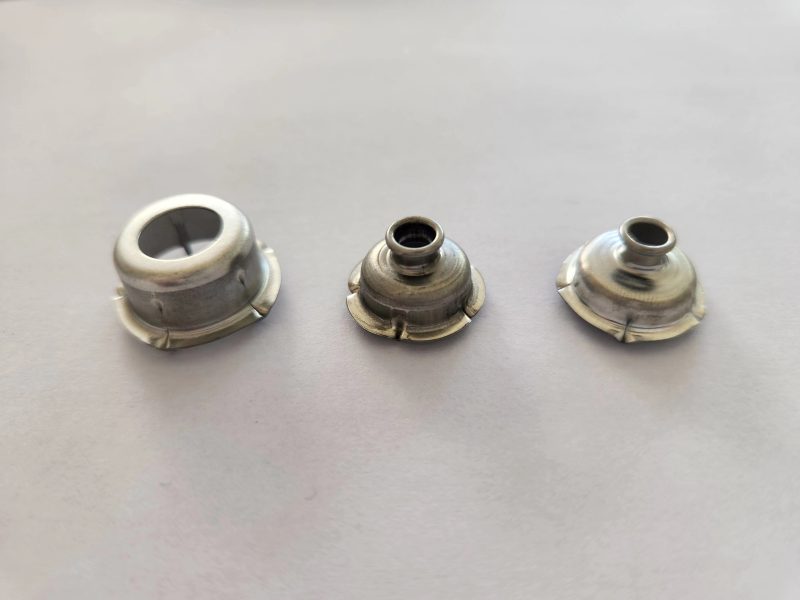
Effective Daily Cleaning and Maintenance Tips for Paint Bucket Gaskets
Paint bucket gaskets play a crucial role in ensuring an airtight seal, preventing paint leaks, and maintaining the quality of stored paint. However, like any other component, they require regular cleaning and maintenance to function optimally. Here are some practical tips to keep your paint bucket gaskets in top condition.
Regular Cleaning Routines for Paint Bucket Gaskets
Removing Surface Dirt and Paint Residue
One of the simplest yet most important steps in maintaining paint bucket gaskets is regular cleaning to remove surface dirt and paint residue. After each use, especially if the bucket has been opened and closed multiple times, take a few minutes to wipe down the gasket with a soft, damp cloth. This helps prevent the buildup of dirt and dried paint, which can compromise the seal over time. For stubborn paint spots, use a mild, non-abrasive cleaner that is safe for the gasket material. Avoid using harsh chemicals or solvents that could damage the gasket or leave behind residues that might react with the paint in the future.
Deep Cleaning for Stubborn Stains and Buildup
In addition to regular surface cleaning, it’s essential to perform a deep cleaning of the gasket periodically, especially if it has been exposed to a large amount of paint or has been in use for an extended period. To deep clean the gasket, first, remove it from the paint bucket if possible. This allows for better access to all areas of the gasket. Then, soak the gasket in a solution of warm water and a mild dish soap for about 15-20 minutes. After soaking, use a soft-bristled brush, such as an old toothbrush, to gently scrub away any remaining dirt or paint. Rinse the gasket thoroughly with clean water to remove all soap residues, and then allow it to air dry completely before reinstalling it on the bucket.
Proper Storage Techniques to Extend Gasket Lifespan
Avoiding Direct Sunlight and Extreme Temperatures
Proper storage is key to extending the lifespan of paint bucket gaskets. Exposure to direct sunlight can cause the gasket material to degrade over time, leading to cracking or loss of elasticity. Similarly, extreme temperatures, both hot and cold, can have a negative impact on the gasket’s performance. When not in use, store the paint bucket with the gasket in a cool, dry place away from direct sunlight. If possible, keep the bucket in a climate-controlled environment, such as a garage or storage room, where the temperature remains relatively stable throughout the year.
Keeping Gaskets Away from Chemicals and Solvents
Another important aspect of proper storage is keeping the gaskets away from chemicals and solvents that could damage them. Even small amounts of exposure to certain chemicals can cause the gasket material to swell, soften, or become brittle. When storing paint buckets, make sure they are placed in an area where they won’t come into contact with cleaning agents, paint thinners, or other harsh chemicals. If you need to clean the surrounding area, use a separate cloth or sponge to avoid accidentally getting chemicals on the gasket. Additionally, if you have multiple paint buckets with gaskets, consider storing them separately to prevent any potential chemical interactions between the buckets or their contents.
Inspecting and Replacing Gaskets When Necessary
Checking for Signs of Wear and Tear
Regular inspection of paint bucket gaskets is essential to identify any signs of wear and tear early on. Over time, gaskets can develop cracks, tears, or deformities that can compromise their ability to create an airtight seal. During your regular cleaning routine, take a few moments to visually inspect the gasket for any visible damage. Look for cracks along the edges, tears in the material, or any areas where the gasket appears to be flattened or compressed. If you notice any of these signs, it’s important to address them promptly to prevent paint leaks and maintain the quality of the stored paint.
Knowing When to Replace a Gasket
In some cases, simply cleaning or repairing a damaged gasket may not be sufficient, and replacement may be necessary. If the gasket has extensive damage, such as large tears or multiple cracks, or if it has lost its elasticity and no longer creates a tight seal, it’s time to replace it. Additionally, if you notice that the paint in the bucket is drying out or developing a skin on the surface, this could be a sign that the gasket is no longer functioning properly and needs to be replaced. When replacing a gasket, make sure to choose one that is the correct size and material for your paint bucket to ensure a proper fit and optimal performance.