
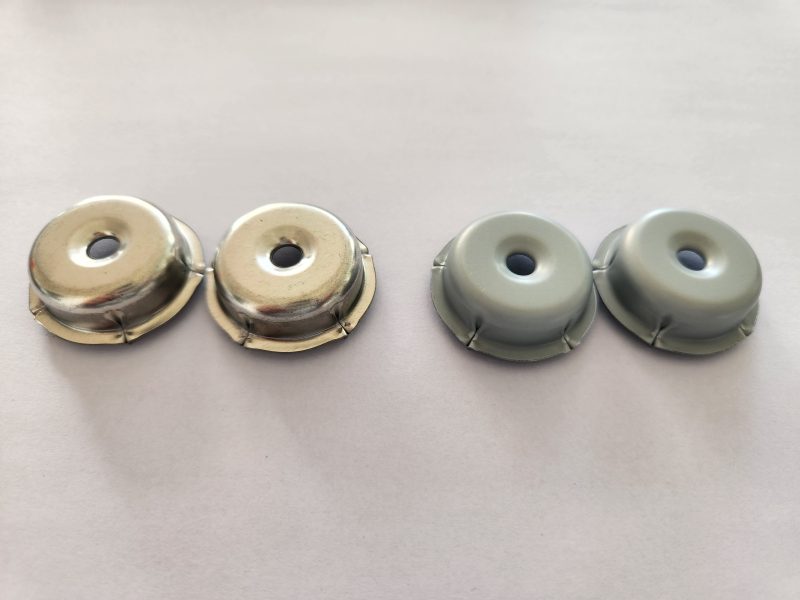
Specifications for Wide-Edge Paint Bucket Gaskets
When it comes to ensuring a secure and leak-proof seal for paint buckets, the choice of gasket plays a crucial role. Wide-edge gaskets, in particular, offer enhanced sealing capabilities due to their extended width, which helps distribute pressure more evenly across the sealing surface. This article delves into the specifications of wide-edge paint bucket gaskets, covering aspects such as material selection, size dimensions, and installation considerations.
Material Selection for Gaskets
The material of a gasket significantly impacts its performance in terms of durability, chemical resistance, and temperature tolerance. For paint buckets, which may contain a variety of solvents and pigments, selecting a gasket material that can withstand these substances without degrading is essential.
Non-Metallic Gaskets
Non-metallic gaskets, such as those made from rubber or silicone, are popular choices for paint bucket applications due to their flexibility and good sealing properties. These materials can conform to irregularities in the sealing surface, providing an effective barrier against leaks. However, it’s important to choose a rubber or silicone compound that is resistant to the specific chemicals present in the paint to prevent premature failure.
Semi-Metallic Gaskets
Semi-metallic gaskets combine the benefits of metallic and non-metallic materials. They typically feature a metal core with a non-metallic covering, such as graphite or PTFE (polytetrafluoroethylene). This construction offers improved strength and heat resistance compared to pure non-metallic gaskets, making them suitable for high-temperature paint curing processes.
Metallic Gaskets
In applications where extreme pressure or temperature conditions are expected, metallic gaskets may be the preferred choice. Stainless steel, aluminum, and copper are common metals used in gasket manufacturing. Metallic gaskets provide excellent durability and can withstand harsh environments, but they may require higher clamping forces to achieve a proper seal.
Size Dimensions of Wide-Edge Gaskets
The size dimensions of a wide-edge gasket are critical for ensuring a proper fit and effective sealing. When selecting a gasket, it’s important to consider the inner diameter, outer diameter, and width of the gasket in relation to the paint bucket’s specifications.
Inner Diameter
The inner diameter of the gasket should match the inner diameter of the paint bucket’s opening to ensure a snug fit. A gasket that is too small may not provide adequate coverage, while one that is too large could interfere with the bucket’s lid or cause misalignment.
Outer Diameter
The outer diameter of the gasket should be slightly larger than the outer diameter of the paint bucket’s flange. This ensures that the gasket extends beyond the edge of the flange, providing a wider sealing surface and helping to distribute pressure more evenly.
Width
The width of the gasket is a key factor in its sealing performance. A wider gasket can distribute pressure over a larger area, reducing the risk of leaks. However, it’s important to balance width with the need for a compact design, especially in applications where space is limited. Generally, the width of a wide-edge gasket for paint buckets ranges from a few millimeters to several centimeters, depending on the specific requirements of the application.
Installation Considerations for Wide-Edge Gaskets
Proper installation is crucial for ensuring the effectiveness of a wide-edge gasket. Here are some key considerations to keep in mind:
Surface Preparation
Before installing the gasket, ensure that both the paint bucket’s flange and the lid’s sealing surface are clean and free from debris, oil, or other contaminants. A smooth, clean surface will help the gasket adhere better and form a tighter seal.
Alignment
Carefully align the gasket with the paint bucket’s flange and the lid’s sealing surface. Misalignment can cause uneven pressure distribution, leading to leaks. Use alignment tools or markers if necessary to ensure accurate positioning.
Clamping Force
Apply sufficient clamping force to compress the gasket and form a tight seal. The exact amount of force required will depend on the gasket material, size, and the specific application. It’s important to follow the manufacturer’s recommendations for clamping force to avoid over-compressing the gasket, which could damage it or reduce its sealing effectiveness.
Inspection
After installation, inspect the gasket and the sealing surface for any signs of leaks or damage. If any issues are detected, re-tighten the clamping mechanism or replace the gasket as needed. Regular inspection and maintenance can help prolong the life of the gasket and ensure continued leak-free performance.