
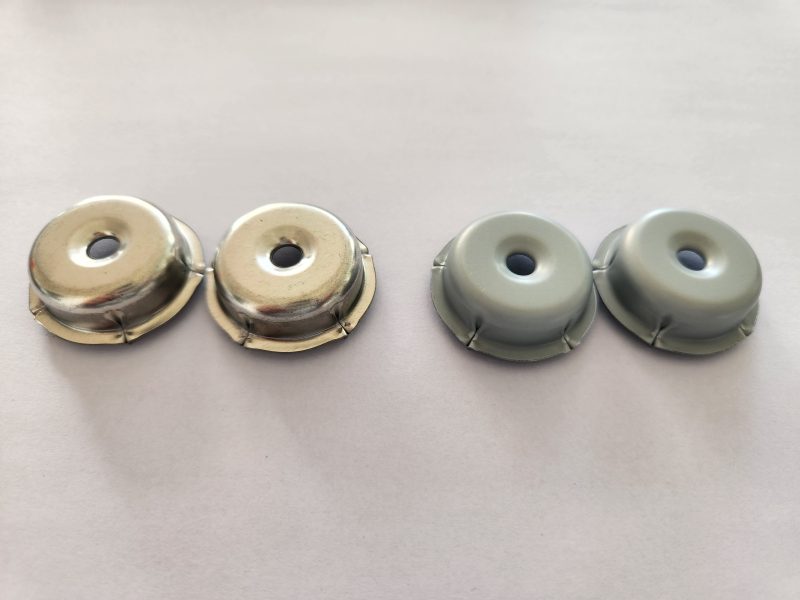
Enhancing Paint Bucket Performance: The Role of Acid- and Alkali-Resistant Gaskets in Industrial Applications
Industrial paint storage systems face constant exposure to aggressive chemicals, including acids, alkalis, and solvents. These substances can degrade conventional materials, leading to leaks, contamination, and safety hazards. To address these challenges, specialized gaskets designed for chemical resistance have become indispensable. This article explores the technical properties, material selection criteria, and application-specific benefits of these critical components.
Understanding Chemical Resistance in Gasket Materials
The effectiveness of a gasket in sealing paint buckets depends on its ability to withstand specific chemical interactions. Acids and alkalis, common in industrial paints, can corrode or swell traditional elastomers, compromising seal integrity. For instance, nitrile rubber (NBR), widely used in fuel applications, offers moderate resistance to weak acids but fails under concentrated sulfuric acid or sodium hydroxide. Similarly, EPDM, valued for steam resistance, degrades when exposed to hydrocarbon-based solvents.
Advanced materials like fluoropolymers and modified PTFE demonstrate superior performance. These polymers feature stable molecular structures that resist chemical penetration, even under prolonged exposure. Their non-reactive nature makes them ideal for storing paints containing aggressive additives such as phosphoric acid or ammonia-based cleaners.
Key Material Properties for Acid and Alkali Resistance
- Chemical Inertness: The material must not react with stored substances. Fluorinated elastomers, for example, resist oxidation and hydrolysis, maintaining their mechanical properties in acidic environments.
- Temperature Stability: Industrial processes often involve elevated temperatures, which can accelerate chemical degradation. Materials like chlorosulfonated polyethylene (CSPE) retain flexibility and seal strength from -50°F to 275°F, ensuring reliability in hot-fill applications.
- Compression Set Resistance: Repeated compression and release cycles can cause permanent deformation in gaskets. High-performance materials like fiber-reinforced composites exhibit low compression set, maintaining a tight seal over time.
Applications in Paint Storage Systems
1. Sealing Aggressive Chemical Formulations
Paints containing strong acids or alkalis require gaskets that can withstand chemical attack without leaching harmful substances. For example, a gasket made from a modified PTFE composite with glass microspheres provides exceptional resistance to concentrated hydrochloric acid and sodium hydroxide. Its closed-cell structure prevents absorption, ensuring long-term stability.
In contrast, standard rubber gaskets may swell or crack when exposed to similar conditions, leading to product contamination or environmental hazards. By selecting chemically inert materials, manufacturers can extend the shelf life of paints and reduce waste.
2. High-Temperature Storage Solutions
Certain industrial paints require storage at elevated temperatures to maintain viscosity or cure properly. Gaskets used in these systems must resist thermal degradation while maintaining seal integrity. Compressed fiber sheets reinforced with aramid fibers offer a solution, withstanding temperatures up to 300°C and pressures exceeding 120 bar. Their thermal stability prevents seal failure during temperature fluctuations, a common issue in uninsulated storage tanks.
3. Multi-Chemical Compatibility
Many industrial facilities store a variety of paints, each with unique chemical compositions. Gaskets in these environments must resist multiple substances simultaneously. For instance, a gasket combining fluorocarbon elastomer and graphite filler provides broad-spectrum resistance to acids, alkalis, and solvents. This versatility reduces the need for multiple gasket types, streamlining inventory management and maintenance.
Material Selection Criteria for Optimal Performance
Choosing the right gasket material involves evaluating several factors beyond basic chemical resistance. These include:
- Mechanical Load: The gasket must withstand the pressure exerted by the stored liquid without extruding or failing. Reinforced composites with high tensile strength are preferred for high-pressure applications.
- Environmental Exposure: UV radiation, ozone, and weathering can degrade certain materials over time. UV-stabilized elastomers or coated metal gaskets offer enhanced durability in outdoor storage systems.
- Regulatory Compliance: Industries such as food processing and pharmaceuticals require gaskets that meet strict hygiene standards. Materials certified by agencies like the FDA or NSF ensure compliance with safety regulations.
Future Trends in Gasket Technology
Advancements in material science are driving the development of next-generation gaskets with improved performance and sustainability. Nanotechnology, for example, enables the creation of ultra-thin coatings that enhance chemical resistance without adding bulk. Biodegradable elastomers derived from renewable resources are also gaining traction, offering eco-friendly alternatives to traditional petroleum-based materials.
Additionally, smart gaskets equipped with sensors are emerging as a solution for real-time monitoring. These devices detect leaks or chemical degradation, alerting operators to potential issues before they escalate. This proactive approach minimizes downtime and reduces environmental impact.
Conclusion
The role of acid- and alkali-resistant gaskets in industrial paint storage cannot be overstated. By selecting materials tailored to specific chemical environments, manufacturers can ensure product quality, safety, and longevity. As industries continue to evolve, the demand for high-performance gaskets will grow, driving innovation in material science and engineering. Whether storing aggressive chemicals or handling extreme temperatures, the right gasket is the foundation of a reliable storage system.