
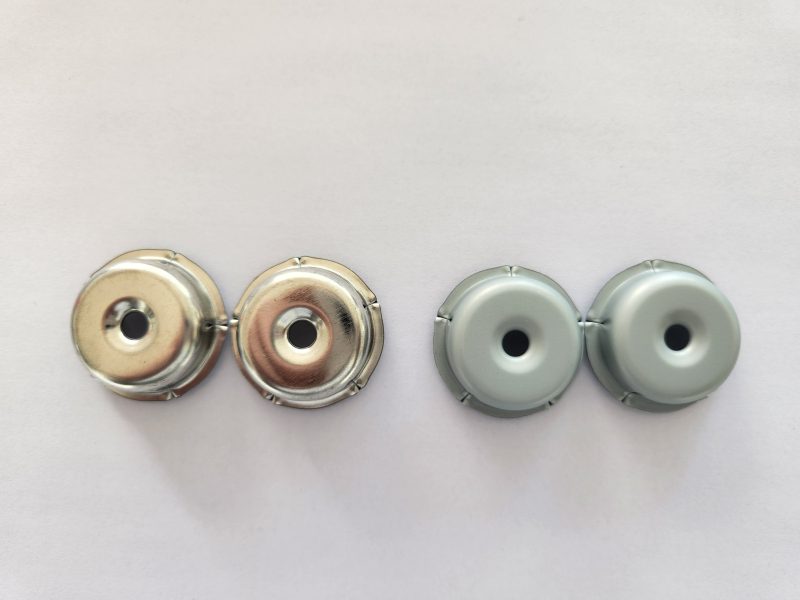
The Scratch – Resistant Protective Function of Paint Bucket Gaskets
Paint buckets are essential containers in various industries, from construction to automotive painting. The gasket within a paint bucket, though often an overlooked component, serves a crucial role in maintaining the quality of the paint and the integrity of the container. One of its significant functions is to provide scratch – resistant protection, which is vital for several reasons.
Why Scratch – Resistant Protection Matters for Paint Bucket Gaskets
Preserving Paint Quality
Paint is a delicate substance that can be easily affected by external factors. Scratches on the inner surface of the paint bucket, especially around the area where the gasket is located, can introduce contaminants into the paint. These contaminants might include small metal shavings from the bucket itself if it gets scratched, or dust particles that accumulate over time. Once these impurities enter the paint, they can alter its color, texture, and overall performance. For instance, in high – precision painting jobs like automotive bodywork, even tiny scratches and the resulting contaminants can lead to an uneven finish, requiring rework and wasting time and resources.
Maintaining Bucket Structure
The gasket also helps in protecting the structural integrity of the paint bucket. When the bucket is moved around, stacked, or dropped during storage and transportation, the areas around the opening are prone to scratches. If these scratches are severe enough, they can weaken the bucket’s material, making it more likely to crack or break. A scratch – resistant gasket acts as a buffer, absorbing some of the impact and preventing direct damage to the bucket’s rim. This is especially important for large – capacity paint buckets used in industrial settings, where a single damaged bucket can cause significant disruptions in the workflow.
Impact on Long – Term Use
Over time, repeated scratches can accumulate and cause long – term damage to both the paint and the bucket. If the gasket does not offer adequate scratch protection, the paint may start to degrade prematurely, reducing its shelf life. Similarly, the bucket may become more susceptible to corrosion if the protective coating is scratched off, especially if the paint contains chemicals that can accelerate the corrosion process. By providing scratch – resistant protection, the gasket helps extend the useful life of both the paint and the bucket.
Factors Contributing to the Scratch – Resistant Property of Gaskets
Material Selection
The choice of material for the paint bucket gasket is a fundamental factor in determining its scratch – resistant capabilities. Some materials, such as high – density polyethylene (HDPE) or certain types of rubber compounds, are known for their high scratch resistance. HDPE is a tough and durable plastic that can withstand a significant amount of abrasion without showing signs of wear. Rubber compounds, on the other hand, can be engineered to have a smooth surface that reduces the likelihood of scratches when in contact with other surfaces. These materials also have good elasticity, which allows them to conform to the shape of the bucket rim and provide a tight seal while resisting damage.
Surface Finish
In addition to the base material, the surface finish of the gasket also plays a role in its scratch – resistance. A gasket with a smooth and polished surface is less likely to cause scratches on the bucket rim and is also more resistant to being scratched itself. Some gaskets may undergo a special treatment process, such as coating with a scratch – resistant layer or buffing to achieve a high – gloss finish. This not only enhances the gasket’s aesthetic appeal but also improves its functional properties in terms of scratch protection.
Design Features
The design of the paint bucket gasket can also contribute to its scratch – resistant performance. A well – designed gasket will have a shape that minimizes contact with sharp edges or rough surfaces. For example, a gasket with a rounded or contoured edge is less likely to get caught on other objects and cause scratches compared to a gasket with a sharp, angular edge. Additionally, the thickness of the gasket can be optimized to provide sufficient protection without being too bulky. A thicker gasket may offer more cushioning against impacts, but if it is too thick, it may not fit properly in the bucket and could cause other issues.
Integration with Bucket Design
The gasket should be designed to integrate seamlessly with the overall design of the paint bucket. This includes considering factors such as the size and shape of the bucket opening, the type of lid used, and the method of securing the lid. A gasket that is properly integrated will have a better chance of staying in place during use, reducing the risk of it moving around and causing scratches. For example, some gaskets may have a groove or a lip that fits snugly into a corresponding feature on the bucket rim, ensuring a stable and scratch – resistant connection.
Enhancing Scratch – Resistant Protection in Paint Bucket Gaskets
Regular Inspection and Maintenance
Regularly inspecting the paint bucket gasket is an important step in maintaining its scratch – resistant protection. Over time, the gasket may become worn or damaged, which can reduce its effectiveness. By checking the gasket for signs of scratches, cracks, or deformation on a regular basis, any issues can be identified early and addressed before they lead to more serious problems. If the gasket shows signs of wear, it should be replaced promptly to ensure continued scratch – resistant protection.
Cleaning Procedures
Proper cleaning of the paint bucket and gasket is also essential for maintaining scratch – resistant properties. Using harsh cleaning agents or abrasive materials can damage the surface of the gasket, making it more susceptible to scratches. Instead, mild soaps and soft cloths should be used to clean the gasket and the bucket. After cleaning, the gasket should be thoroughly dried to prevent the growth of mold or mildew, which can also affect its performance.
Improving Storage and Handling Practices
The way paint buckets are stored and handled can have a significant impact on the scratch – resistant protection provided by the gasket. Buckets should be stored in a clean, dry environment away from sharp objects or rough surfaces that could cause scratches. When moving the buckets, they should be lifted and carried carefully to avoid dropping or bumping them against other objects. Stacking the buckets should be done in a stable manner, with appropriate padding between each bucket to prevent scratches from contact.
Use of Protective Covers
In some cases, using protective covers for the paint buckets can further enhance the scratch – resistant protection of the gaskets. These covers can be made of a soft, durable material that acts as an additional layer between the bucket and external objects. Protective covers can be especially useful during transportation, where the buckets are more likely to be exposed to rough handling and potential impacts. By using protective covers, the risk of scratches to the bucket rim and gasket can be significantly reduced.