
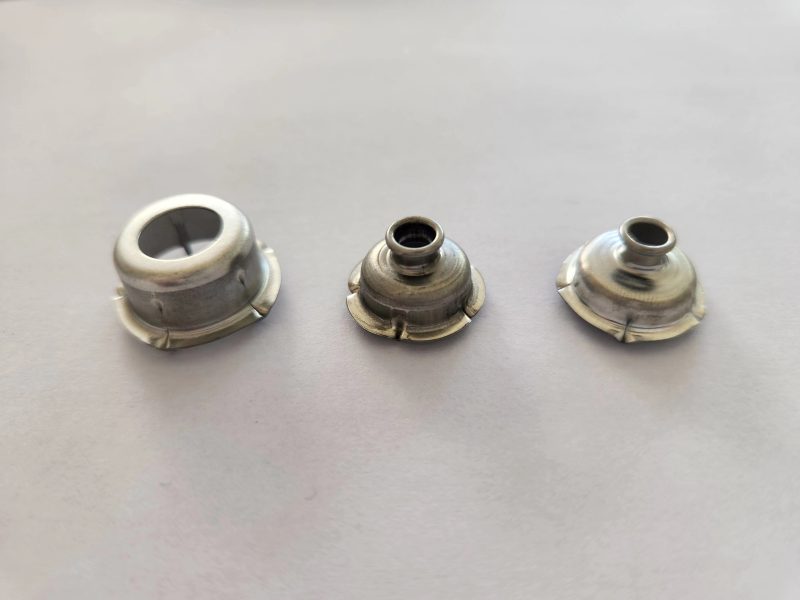
Enhancing the Wear – Resistance and Protective Functions of Paint Bucket Gaskets
Paint buckets are widely used in various industries for storing and transporting different types of paints. The gasket in a paint bucket, though often overlooked, plays a vital role in ensuring the integrity of the container. A paint bucket gasket with excellent wear – resistance and protective functions is crucial for preventing leaks, maintaining paint quality, and extending the lifespan of the bucket.
Importance of Wear – Resistance in Paint Bucket Gaskets
Frequent Opening and Closing
Paint buckets are opened and closed multiple times during their use cycle. Whether it’s for adding more paint, stirring the contents, or accessing the paint for application, each opening and closing action puts stress on the gasket. A gasket with poor wear – resistance will quickly show signs of damage, such as cracks, tears, or deformation. This can lead to leaks, which not only waste paint but also create a messy and potentially hazardous work environment. For example, in a large – scale painting project where multiple paint buckets are in use, a single leaking bucket can cause significant disruptions and additional cleanup costs.
Mechanical Friction
During the opening and closing process, the gasket comes into contact with the bucket rim and the lid. This contact generates mechanical friction, which can gradually wear down the surface of the gasket. If the gasket material is not resistant to this friction, it will start to thin out over time, reducing its ability to form an effective seal. In some cases, the friction can even cause the gasket to break apart, completely compromising the integrity of the paint bucket.
Impact of Different Materials
The type of material used for the bucket rim and lid can also affect the wear on the gasket. For instance, if the rim and lid are made of a rough or abrasive material, it will increase the friction and wear on the gasket. On the other hand, smoother surfaces will cause less wear, but the gasket still needs to have inherent wear – resistance to handle normal use over an extended period.
Protective Functions of Paint Bucket Gaskets
Sealing Against External Contaminants
One of the primary protective functions of a paint bucket gasket is to seal the bucket against external contaminants. Paints are sensitive to substances such as dust, dirt, and moisture. If these contaminants enter the bucket, they can affect the paint’s color, texture, and overall quality. A well – functioning gasket forms a tight barrier around the opening of the bucket, preventing these contaminants from getting inside. For example, in a construction site where there is a lot of dust in the air, a high – quality gasket will keep the paint clean and ready for use.
Preventing Chemical Reactions
Paints often contain various chemicals that can react with substances in the environment. The gasket acts as a protective layer, preventing the paint from coming into contact with potentially reactive elements. For instance, some paints may be sensitive to oxygen, and a good gasket will limit the amount of air that can enter the bucket, thus slowing down the oxidation process and preserving the paint’s freshness. Additionally, it can protect the paint from exposure to other chemicals that may be present in the storage area, such as cleaning agents or solvents.
Protection During Storage and Transportation
During storage and transportation, paint buckets are subject to various environmental conditions. They may be stacked on top of each other, exposed to vibrations, or stored in areas with fluctuating temperatures and humidity levels. A durable gasket can withstand these conditions and continue to provide protection to the paint inside. It can prevent the paint from leaking out due to vibrations or pressure changes and maintain a stable internal environment for the paint.
Enhancing Wear – Resistance and Protective Functions
Material Selection for Improved Performance
Choosing the right material for the paint bucket gasket is key to enhancing its wear – resistance and protective functions. Materials such as high – density rubber, silicone, or certain types of plastics are often used due to their excellent properties. High – density rubber has good elasticity, which allows it to deform and then return to its original shape, making it resistant to wear from repeated opening and closing. Silicone is known for its chemical resistance and ability to withstand a wide range of temperatures, which is beneficial for protecting the paint from external factors. Some plastics can be engineered to have high wear – resistance and good sealing properties, making them suitable for paint bucket gaskets as well.
Advantages of Composite Materials
Composite materials, which combine two or more different materials, can also offer superior performance. For example, a gasket made from a combination of rubber and a reinforcing fiber can have increased strength and wear – resistance. The fiber can help distribute the stress evenly across the gasket, reducing the likelihood of localized wear and tear. This type of composite material can also improve the gasket’s ability to form a tight seal, enhancing its protective functions.
Design Optimization for Long – Lasting Use
In addition to material selection, the design of the paint bucket gasket can be optimized to improve its wear – resistance and protective capabilities. The shape and size of the gasket should be carefully considered to ensure a proper fit with the bucket rim and lid. A gasket that is too loose will not provide an effective seal, while one that is too tight may be difficult to install and remove, leading to damage during the process.
Geometric Features for Enhanced Performance
The geometric features of the gasket, such as its cross – sectional shape, can also play a role. For example, a gasket with a ribbed or textured surface can increase its friction with the bucket rim and lid, improving the seal. At the same time, these features can distribute the stress more evenly, reducing wear. Some gaskets may have a double – lip design, which provides an extra layer of protection against leaks and external contaminants. This design can also help the gasket maintain its shape under pressure, enhancing its wear – resistance.
Regular Maintenance and Inspection
Regular maintenance and inspection of paint bucket gaskets are essential for ensuring their long – term performance. Gaskets should be checked for signs of wear, such as cracks, tears, or deformation, on a regular basis. If any damage is found, the gasket should be replaced immediately to prevent leaks and protect the paint. Additionally, the bucket rim and lid should be kept clean to reduce friction and wear on the gasket. A clean surface will allow the gasket to form a better seal and last longer.
Cleaning Procedures
When cleaning the paint bucket and gasket, it is important to use appropriate cleaning agents and methods. Harsh chemicals can damage the gasket material, reducing its wear – resistance and protective functions. Mild soaps and water are usually sufficient for cleaning the exterior of the bucket and the gasket. After cleaning, the gasket should be thoroughly dried to prevent the growth of mold or mildew, which can also affect its performance.