
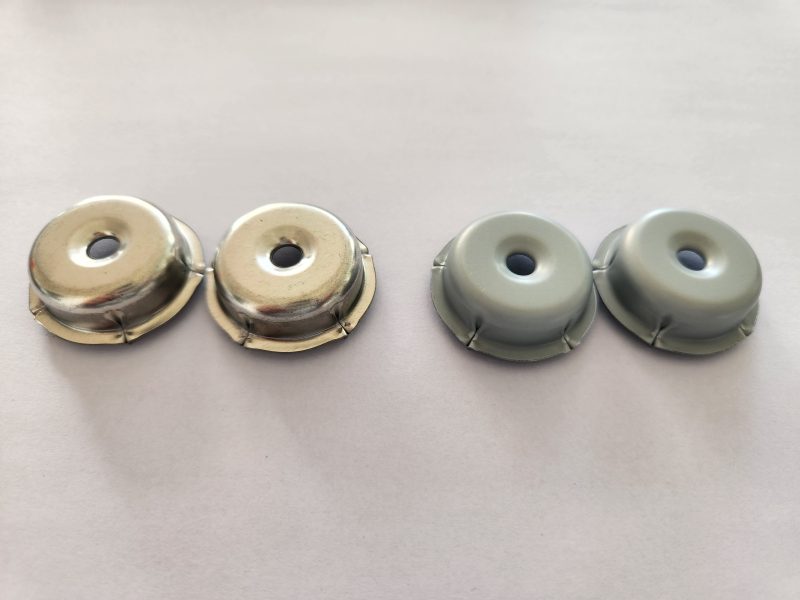
Ensuring Stability and Resistance to Deformation in Paint Bucket Gaskets
When it comes to storing and transporting paint, the integrity of the container is of utmost importance. Among the crucial components that contribute to this integrity is the paint bucket gasket. A gasket that is resistant to deformation and maintains stable functionality is essential for preventing leaks, preserving paint quality, and ensuring safe handling.
Understanding the Role of Paint Bucket Gaskets
Sealing Mechanism
The primary function of a paint bucket gasket is to create an airtight and liquid – tight seal between the lid and the bucket. This seal prevents the paint from leaking out during storage or transportation, which could lead to messes, waste of product, and potential environmental hazards. A well – designed gasket fits snugly into the groove on the bucket rim, forming a barrier that keeps the paint contained.
Protection Against External Factors
In addition to preventing leaks, the gasket also protects the paint from external elements such as air, moisture, and dust. Exposure to air can cause the paint to oxidize and dry out, while moisture can lead to mold growth and spoilage. Dust and other contaminants can affect the paint’s color and texture. A stable and non – deformable gasket ensures that these external factors do not penetrate the bucket, thereby maintaining the paint’s quality over time.
Factors Contributing to Gasket Stability and Deformation Resistance
Material Selection
The choice of material for the paint bucket gasket is a critical factor in determining its stability and resistance to deformation. Materials with high elasticity, such as certain types of rubber or silicone, are often preferred. These materials can withstand compression and stretching without losing their original shape. They also have good chemical resistance, which is important as paints can contain various chemicals that could potentially degrade the gasket material over time.
Elasticity and Resilience
Elastic materials are able to return to their original shape after being deformed. This property is essential for a paint bucket gasket because it will be compressed when the lid is closed and then need to expand back to its original size to maintain a tight seal. Resilience, which is related to elasticity, refers to the material’s ability to absorb energy and release it without permanent deformation. A gasket with high resilience will be able to withstand repeated opening and closing of the bucket without losing its sealing ability.
Chemical Resistance
Paints can contain solvents, pigments, and other chemicals that can be harsh on materials. A gasket material with good chemical resistance will not react with these chemicals, preventing degradation and maintaining its physical properties. For example, some types of rubber are resistant to common paint solvents such as acetone and toluene, ensuring that the gasket remains intact and functional even when in contact with these substances.
Design Features
The design of the paint bucket gasket also plays a significant role in its stability and deformation resistance. A well – thought – out design takes into account factors such as the shape of the bucket rim, the amount of compression required for a proper seal, and the ease of installation and removal.
Geometric Shape
The geometric shape of the gasket should match the shape of the bucket rim groove. A gasket with a cross – section that fits precisely into the groove will distribute the compression force evenly, reducing the likelihood of deformation. For example, a circular gasket with a specific diameter and thickness may be designed to fit snugly into a circular groove on the bucket rim, ensuring a uniform seal all around.
Thickness and Width
The thickness and width of the gasket are also important design considerations. A thicker gasket may provide better sealing performance, but it should not be so thick that it becomes difficult to compress or install. Similarly, the width of the gasket should be sufficient to cover the entire groove on the bucket rim, but not so wide that it extends beyond the rim and interferes with the lid closure. Finding the right balance between thickness and width is crucial for achieving a stable and effective seal.
Maintenance and Handling for Long – Term Stability
Proper Installation
Correct installation of the paint bucket gasket is essential for ensuring its long – term stability and functionality. The gasket should be clean and free of debris before installation. It should be carefully placed into the groove on the bucket rim, making sure that it is seated evenly all around. Any misalignment or uneven placement can lead to leaks and premature deformation of the gasket.
Avoiding Over – Compression
When closing the lid of the paint bucket, it is important to avoid over – compressing the gasket. Over – compression can cause the gasket to lose its elasticity and become permanently deformed. The lid should be closed with just enough force to create a tight seal, but not so much that the gasket is crushed. Using the appropriate tools or following the manufacturer’s instructions for lid closure can help prevent over – compression.
Storage Conditions
The storage conditions of the paint bucket can also affect the stability of the gasket. Extreme temperatures, both high and low, can cause the gasket material to expand or contract, leading to deformation. Paint buckets should be stored in a cool, dry place away from direct sunlight and heat sources. Additionally, avoiding exposure to chemicals or solvents that are not part of the paint formulation can prevent chemical degradation of the gasket.
Temperature Control
Maintaining a stable temperature range is crucial for preserving the physical properties of the gasket material. High temperatures can cause the material to soften and lose its shape, while low temperatures can make it brittle and prone to cracking. By storing paint buckets in a temperature – controlled environment, the gasket can remain in good condition and continue to provide a reliable seal.
Chemical Exposure Avoidance
As mentioned earlier, paints can contain chemicals that are harmful to the gasket material. However, other chemicals in the storage area, such as cleaning agents or industrial solvents, can also pose a risk. It is important to keep paint buckets away from these substances to prevent accidental contact and subsequent degradation of the gasket.