
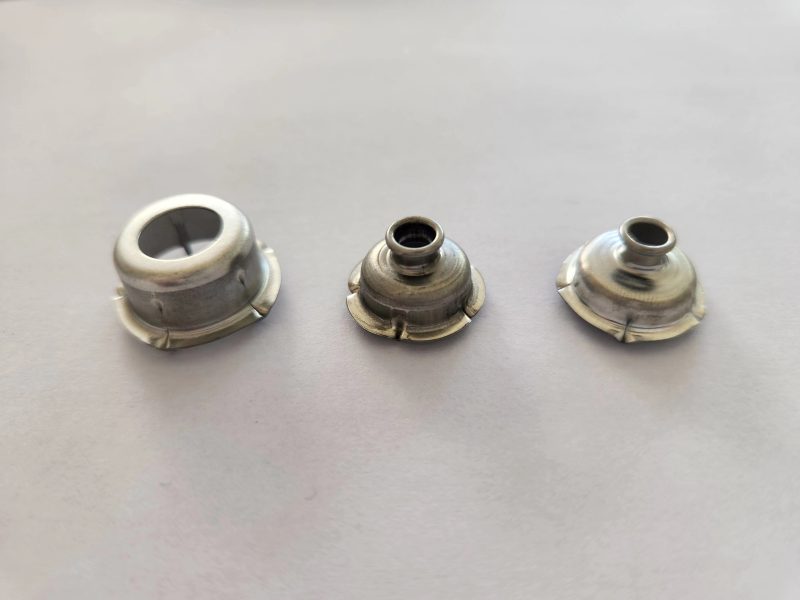
Enhancing Durability and Anti-Aging Performance of Paint Bucket Gaskets: Key Considerations
Paint bucket gaskets play a critical role in preventing leaks, contamination, and chemical degradation during storage and transportation. For industries relying on these containers—from construction to automotive manufacturing—the longevity and resilience of gaskets directly impact operational efficiency and product quality. This guide explores the essential factors influencing the anti-aging and durability of paint bucket gaskets, focusing on material selection, environmental resistance, and design innovations.
Material Science: The Foundation of Long-Lasting Gaskets
The choice of material determines a gasket’s ability to resist aging, chemical exposure, and mechanical stress. Three primary materials dominate the market due to their proven performance in sealing applications:
Nitrile Rubber (NBR)
Nitrile rubber is a synthetic copolymer renowned for its exceptional oil and fuel resistance. It maintains structural integrity when exposed to petroleum-based products, making it ideal for paints containing solvents or oils. While NBR offers moderate resistance to UV and ozone, its cost-effectiveness and versatility have made it a staple in industrial sealing solutions. However, prolonged exposure to extreme temperatures or sunlight may accelerate degradation, necessitating protective coatings or hybrid formulations for outdoor use.
Fluorinated Elastomers (Viton/FKM)
For applications demanding superior chemical and thermal stability, fluorinated elastomers like Viton excel. These materials withstand temperatures up to 200°C (392°F) and resist aggressive chemicals, including acids, fuels, and aromatic hydrocarbons. Their low compression set ensures consistent sealing performance over time, even under repeated compression cycles. While costlier than NBR, Viton’s durability in harsh environments justifies its use in high-performance paint storage systems.
Silicone Rubber
Silicone gaskets are prized for their flexibility and broad temperature tolerance (-60°C to 230°C or -76°F to 446°F). They resist oxidation and UV degradation, making them suitable for outdoor storage. However, silicone’s lower oil resistance limits its use to water-based or low-solvent paints. Innovations like fluorosilicone blends have expanded its applicability by combining silicone’s thermal stability with enhanced chemical resistance.
Environmental Resistance: Shielding Gaskets from External Stressors
Even the most robust materials require protection from environmental factors that accelerate aging. Key considerations include:
UV and Ozone Exposure
Prolonged sunlight exposure can cause polymer breakdown, leading to cracking or brittleness. UV stabilizers integrated into gasket materials mitigate this risk, while physical barriers like opaque bucket designs reduce light penetration. Ozone, common in industrial settings, reacts with unsaturated rubber compounds, causing surface cracking. EPDM rubber, though less common in paint buckets, offers excellent ozone resistance but must be balanced with oil compatibility requirements.
Temperature Fluctuations
Thermal cycling—repeated heating and cooling—can weaken gasket seals by inducing expansion and contraction. Materials with low compression set, such as Viton or silicone, retain elasticity despite temperature shifts. For extreme cold, low-durometer silicone formulations remain pliable, preventing seal failure during transportation or winter storage.
Chemical Compatibility
Paint formulations vary widely, from traditional oil-based products to modern waterborne coatings. Gaskets must resist swelling, shrinkage, or dissolution when in contact with solvents, pigments, or additives. Nitrile rubber’s affinity for oils makes it unsuitable for water-based paints, while silicone’s inertness suits alkaline environments but struggles with aromatic hydrocarbons. Material testing against specific paint formulations ensures compatibility and longevity.
Design Innovations: Optimizing Gasket Performance
Beyond material selection, advanced design features enhance durability and ease of use:
Form-in-Place (FIP) Gaskets
FIP technology applies liquid gasket material directly onto bucket lids, creating a custom-fitted seal. This method eliminates gaps caused by traditional pre-cut gaskets, improving leak resistance. The cured gasket adheres firmly to the surface, reducing displacement during handling. FIP gaskets also accommodate irregularities in bucket or lid surfaces, a common challenge in recycled or reused containers.
Integrated Pour Spouts and Sealing Mechanisms
Modern paint buckets often incorporate pour spouts with built-in gaskets to minimize spillage during dispensing. These gaskets, typically made from NBR or silicone, are designed for easy cleaning and replacement. Some lids feature dual-seal systems—a primary gasket for storage and a secondary spout seal for pouring—ensuring versatility without compromising protection.
Snap-On and Screw-On Lids
Mechanical fastening systems enhance gasket compression, creating a tighter seal than friction-fit lids. Snap-on lids with interlocking ridges distribute pressure evenly across the gasket, while screw-on designs allow adjustable torque for fine-tuning seal integrity. These mechanisms are particularly effective for large-volume buckets or containers storing volatile paints.
Conclusion: Balancing Performance and Practicality
The anti-aging and durability of paint bucket gaskets hinge on a holistic approach combining material science, environmental resilience, and thoughtful design. By selecting materials tailored to specific paint formulations and storage conditions, manufacturers can extend gasket lifespans and reduce waste. Innovations like FIP gaskets and mechanical sealing systems further enhance reliability, ensuring paint quality remains uncompromised from production to application. As industries prioritize sustainability, investing in high-performance gaskets becomes not just a cost-saving measure but a commitment to environmental stewardship.