
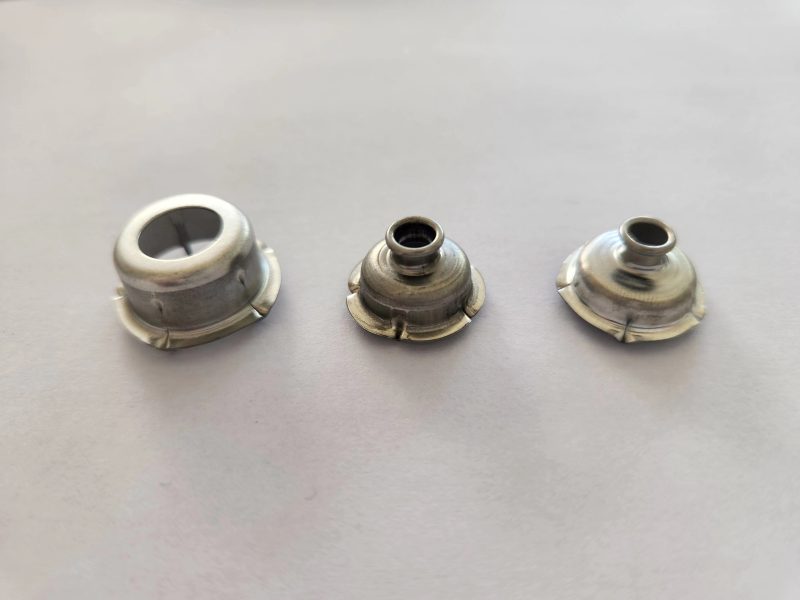
How Gaskets in Paint Containers Prevent Contaminant Ingress
Paint quality is highly sensitive to contamination, which can arise from dust, moisture, chemicals, or even microbial growth. Contaminants can alter paint’s color, texture, adhesion, or shelf life, leading to costly rework or product rejection. Gaskets, though small, form a critical barrier that stops pollutants from entering paint containers, ensuring the stored paint remains clean and functional. Below, we explore how gaskets achieve this protection and why they are indispensable in paint storage and handling.
Blocking Particulate Matter from Industrial and Environmental Sources
Dust, dirt, and debris are common in storage areas, especially in industrial settings where paint containers are stored alongside machinery, raw materials, or unfinished products. These particles can settle on container lids or seals, finding their way into the paint during opening or closing. Gaskets create a tight, physical barrier that prevents particulate matter from infiltrating the container, even in dusty environments.
Challenges in High-Dust Environments
In facilities like construction sites, automotive workshops, or manufacturing plants, airborne dust is a persistent issue. Paint containers left open or improperly sealed can quickly accumulate dust, leading to contamination. A well-designed gasket ensures that even when the lid is briefly removed, the seal remains intact, minimizing the risk of particulate ingress. This is crucial for paints used in precision applications, such as automotive finishes or architectural coatings, where impurities can ruin the final result.
Gasket Designs for Enhanced Particle Filtration
Modern gaskets often incorporate micro-ridges or textured surfaces that create a tortuous path for contaminants. These features trap dust and debris before they can reach the paint, acting as a first line of defense. Some gaskets even feature integrated filters or membranes that allow air exchange while blocking particles, ensuring pressure equalization without compromising protection. These innovations are particularly useful in environments where airborne contaminants are unavoidable.
Preventing Chemical Cross-Contamination in Shared Storage Areas
In facilities where multiple paint types or chemicals are stored, the risk of cross-contamination is high. Vapors or residues from one container can seep into another, altering the composition or color of adjacent paints. Gaskets with chemical-resistant properties and tight tolerances create an isolated storage environment, preventing contaminants from infiltrating the paint.
Managing VOCs and Solvent Vapors
Volatile organic compounds (VOCs) and solvents are common in paint formulations, and their vapors can easily migrate between containers if seals are not effective. A robust gasket ensures that these vapors remain contained, preventing chemical interactions that could degrade paint quality. This is especially important for paints stored in close proximity, such as primers, basecoats, and clearcoats in automotive paint shops, where cross-contamination can lead to inconsistent finishes.
Custom Gasket Solutions for Specialized Chemical Resistance
Some industries require custom gasket designs to address unique chemical challenges. Paints containing reactive metals or pigments, for instance, may need gaskets made from non-reactive materials to prevent chemical interactions. Similarly, paints stored near aggressive cleaning agents or industrial chemicals may require gaskets with enhanced resistance to specific substances. These tailored solutions ensure optimal protection against chemical cross-contamination, maintaining paint integrity in demanding environments.
Shielding Paint from Moisture and Humidity-Related Issues
Moisture is a silent threat to paint quality, particularly for water-sensitive formulations. When water infiltrates a paint container, it can cause hydrolysis, leading to clumping, separation, or discoloration. Gaskets with hydrophobic properties, such as those made from silicone or certain fluoropolymers, repel water, creating a dry barrier that protects the paint from humidity and accidental spills.
Mitigating Risks in Humid Climates
In regions with high humidity or storage areas prone to condensation, moisture-related contamination is a significant concern. A well-designed gasket ensures that even if the container is exposed to moist air, the paint inside remains stable and free from water damage. This is essential for paints used in outdoor applications or industries like construction and marine coatings, where exposure to moisture is inevitable.
Material Selection for Optimal Moisture Resistance
The choice of gasket material depends on the paint’s sensitivity to moisture. Water-based paints benefit from gaskets made from highly hydrophobic materials like silicone, which resist swelling or degradation when exposed to water. Solvent-based paints, on the other hand, may require gaskets made from fluorocarbon elastomers, which offer superior chemical stability and resistance to aggressive solvents. Selecting the right material ensures long-term moisture protection and paint quality.
Protecting Against Microbial Growth in Stored Paint
In some cases, paint contamination can result from microbial growth, such as mold or bacteria, which thrive in moist or nutrient-rich environments. Gaskets that create an airtight seal limit oxygen and moisture ingress, reducing the risk of microbial activity. Additionally, some gaskets are treated with antimicrobial agents to further inhibit the growth of microorganisms.
Addressing Mold Risks in Warm, Humid Storage
Paints stored in warm, humid conditions are particularly vulnerable to mold growth, which can spoil the paint and pose health risks. A gasket with antimicrobial properties ensures that the paint remains free from biological contaminants, extending its shelf life and maintaining its safety. This is especially important for paints used in food-grade facilities or medical applications, where hygiene standards are stringent.
Innovations in Antimicrobial Gasket Technologies
Recent advancements in gasket design include the integration of antimicrobial coatings or additives that actively prevent microbial growth. These gaskets are particularly useful for paints stored in environments where contamination risks are high, such as warehouses with poor ventilation or areas exposed to frequent temperature fluctuations. By inhibiting microbial activity, these gaskets help preserve paint quality and safety over time.
Conclusion
Gaskets play a vital role in preventing contaminant ingress into paint containers, protecting against particulate matter, chemical cross-contamination, moisture, and microbial growth. Their ability to create a secure, isolated environment ensures that paint remains clean, stable, and usable for extended periods. As industries demand higher standards for paint quality and safety, the importance of gaskets in contamination prevention will continue to grow, making them an essential component in paint storage and handling.