
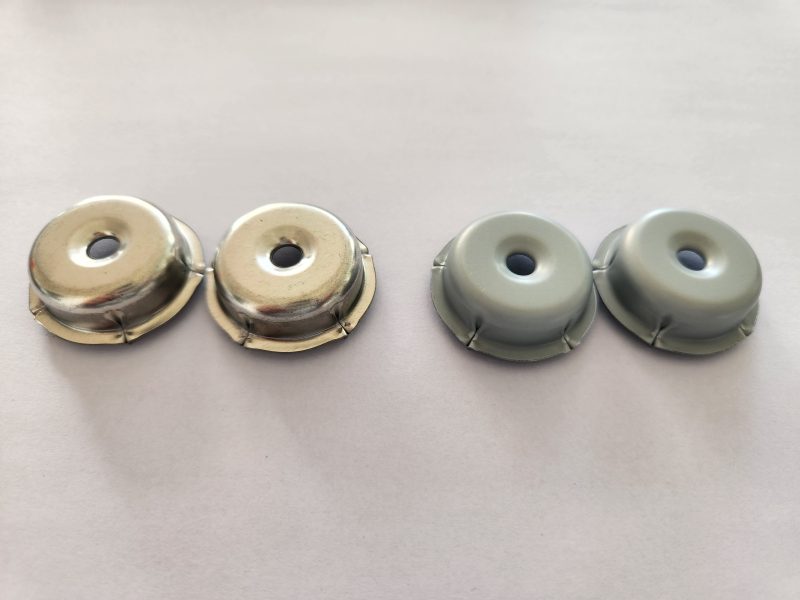
How Gaskets Safeguard Paint Quality Through Contamination Prevention and Environmental Control
Paint quality depends heavily on maintaining its chemical composition, color consistency, and texture from production to application. Gaskets, though small, play a pivotal role in protecting paint from external contaminants, moisture, and air exposure, ensuring the product meets industry standards. Below, we explore the key ways gaskets preserve paint quality throughout storage and handling.
Blocking Particulate Contamination from External Sources
Dust, dirt, and debris are constant threats to paint quality, especially in industrial or outdoor storage environments. Gaskets create an airtight seal between the container lid and body, preventing these particulates from infiltrating the paint. Even microscopic impurities can cause clumping, discoloration, or uneven texture, rendering the paint unsuitable for precision applications like automotive finishes or architectural coatings.
For example, a well-fitted gasket on a steel drum ensures that dust from a warehouse floor or debris from nearby machinery does not settle into the paint during storage. This is particularly critical for paints used in sensitive environments, such as cleanrooms or food-grade facilities, where contamination could lead to regulatory non-compliance or product recalls.
Advanced Gasket Designs for Enhanced Filtration
Modern gaskets often incorporate micro-ridges or textured surfaces that create a tortuous path for contaminants, making it harder for particles to penetrate the seal. Some designs even feature integrated filters or membranes that trap impurities while allowing air to escape during lid closure, balancing pressure without compromising protection. These innovations ensure paint remains pristine even in harsh environments.
Preventing Moisture Ingress and Chemical Reactions
Moisture is a silent enemy of paint quality, triggering hydrolysis in water-based formulations or causing solvent-based paints to separate or curdle. Gaskets with hydrophobic properties, such as those made from silicone or certain fluoropolymers, repel water, creating a dry barrier between the paint and the external environment. This is especially important in humid climates or storage areas prone to condensation.
In addition to moisture, gaskets shield paint from accidental exposure to water during cleaning or spillage. A robust seal ensures that even if the container is doused or submerged briefly, the paint inside remains unaffected. This level of protection is invaluable for high-value or specialty paints used in marine, aerospace, or medical applications.
Material Selection for Moisture Resistance
The choice of gasket material depends on the paint’s sensitivity to moisture. For water-based paints, silicone gaskets offer excellent resistance to humidity and temperature fluctuations. For solvent-based formulations, fluorocarbon elastomers provide superior chemical stability, preventing swelling or degradation when exposed to aggressive solvents. Selecting the right material ensures long-term protection without compromising the paint’s properties.
Minimizing Air Exposure to Prevent Oxidation and Skinning
Exposure to air can cause paint to oxidize, leading to color fading, viscosity changes, or the formation of a hard “skin” on the surface. Gaskets create a vacuum-like seal that limits airflow into the container, slowing these processes and preserving the paint’s original characteristics. This is particularly important for paints stored for extended periods or in large containers where surface area exposure is higher.
For example, a properly sealed gasket on a 20-liter pail ensures that the top layer of paint remains smooth and usable, even after months of storage. Without this protection, oxidation could render the first few millimeters of paint unusable, leading to waste and increased costs.
Innovations in Air-Tight Sealing Technologies
Some gaskets now incorporate one-way valves or pressure-relief mechanisms that allow air to escape during lid closure but prevent it from re-entering. These designs maintain an optimal internal environment, reducing the risk of oxidation while accommodating pressure changes due to temperature fluctuations. This level of control is essential for high-performance paints used in critical applications.
Protecting Against Cross-Contamination in Shared Storage
In facilities where multiple paint types or chemicals are stored, the risk of cross-contamination is high. A faulty gasket could allow vapors or residues from one container to seep into another, altering the composition or color of adjacent paints. Gaskets with chemical-resistant properties and tight tolerances prevent this by creating isolated storage environments for each container.
For instance, in an automotive paint shop, where primers, basecoats, and clearcoats are stored in close proximity, gaskets ensure that volatile organic compounds (VOCs) from one product do not migrate into another. This maintains the integrity of each paint formulation, ensuring consistent results during application.
Custom Gasket Solutions for Specialized Storage Needs
Some industries require custom gasket designs to address unique storage challenges. For example, paints containing reactive metals or pigments may need gaskets made from non-reactive materials to prevent chemical interactions. Similarly, paints stored in extreme temperatures may require gaskets with enhanced thermal stability to maintain their seal integrity.
Conclusion
Gaskets are unsung heroes in the quest to preserve paint quality, offering protection against particulates, moisture, air exposure, and cross-contamination. Their role in maintaining the chemical stability, color accuracy, and texture of paint ensures that end-users receive a product that meets or exceeds expectations. As industries demand higher standards for paint performance, the importance of reliable gaskets in storage and handling will only grow.