
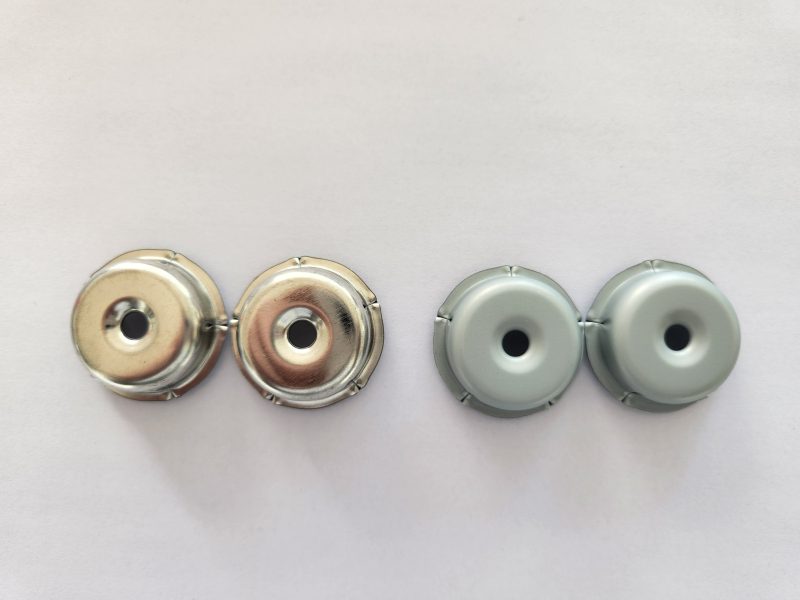
Preventing Buckling and Swelling in Paint Containers: The Role of Protective Gaskets
Paint containers, particularly those holding volatile or reactive formulations, are vulnerable to physical deformation caused by internal pressure changes. Swelling, bulging, or even bursting can occur when gases expand due to temperature fluctuations, chemical reactions, or improper sealing. To combat these issues, specialized gaskets designed for anti-swelling protection have become indispensable in industrial and commercial paint storage. This article delves into how these gaskets work, their key design elements, and their applications across different sectors.
The Causes of Swelling in Paint Containers
Swelling in paint buckets often stems from uncontrolled pressure buildup inside the container. Several factors contribute to this problem:
Temperature-Induced Expansion
Paints containing solvents or volatile organic compounds (VOCs) are sensitive to temperature changes. When exposed to heat, gases within the liquid expand, increasing internal pressure. If the container lacks proper ventilation or pressure relief, this force can deform the lid, sides, or seams, leading to leaks or structural failure. For example, a bucket stored in direct sunlight or near a heat source may swell within hours, compromising its integrity.
Chemical Reactions During Storage
Certain paints, such as epoxies or polyurethanes, undergo slow curing or degradation over time. These processes release gases like carbon dioxide or ammonia, which accumulate inside the container. Without a way to escape, the pressure from these gases can cause the bucket to bulge or even rupture. This is particularly problematic for long-term storage, where repeated heating and cooling cycles exacerbate the issue.
Improper Sealing Mechanisms
A poorly fitted or damaged gasket can create an uneven seal, allowing air to enter the container while trapping gases inside. This imbalance accelerates pressure buildup, especially in containers with limited headspace. Additionally, seals that degrade over time due to chemical exposure or mechanical stress lose their ability to maintain pressure equilibrium, increasing the risk of swelling.
Design Features of Anti-Swelling Gaskets
To address these challenges, anti-swelling gaskets incorporate advanced materials and engineering principles to balance pressure while maintaining a secure seal.
Pressure-Relief Ventilation Systems
Many gaskets include built-in ventilation channels or micro-perforations that allow gases to escape when pressure exceeds a safe threshold. These vents are calibrated to release air at a controlled rate, preventing sudden bursts while keeping contaminants out. For instance, ePTFE (expanded polytetrafluoroethylene) membranes are commonly used for their hydrophobic and oleophobic properties, which block liquids and particles while permitting gas flow. This ensures the container remains protected from external elements even as it vents internally.
Reinforced Structural Integrity
To resist deformation under pressure, gaskets often feature rigid frames or compression-resistant cores. These components distribute stress evenly across the seal, preventing localized weakening that could lead to swelling. For example, a gasket with a metal or high-density plastic insert maintains its shape even when subjected to high internal forces, ensuring the lid stays flush with the container.
Chemical-Resistant Materials
Paint formulations can be highly corrosive, requiring gaskets made from materials that withstand prolonged exposure to solvents, acids, or bases. Silicone, fluoropolymers, and specialized elastomers are popular choices due to their durability and resistance to degradation. These materials not only prolong the gasket’s lifespan but also prevent chemical reactions that might generate additional gases or weaken the seal.
Applications in Industrial and Commercial Settings
Anti-swelling gaskets are widely used across industries where paint storage and transportation are critical to operations.
Automotive and Aerospace Manufacturing
In these sectors, paints and coatings must meet strict quality standards, and container integrity is non-negotiable. Gaskets with pressure-relief features are used in storage drums for primers, topcoats, and specialty finishes, ensuring the products remain usable even after extended storage periods. By preventing swelling, these gaskets reduce waste and maintain consistency in application, which is vital for high-precision finishes on vehicles or aircraft.
Construction and Infrastructure Projects
Large-scale construction projects rely on bulk paint supplies stored in industrial containers. Swelling in these buckets can disrupt workflows by causing leaks or making containers difficult to handle. Anti-swelling gaskets protect against these issues, ensuring paint remains in optimal condition from the warehouse to the job site. This is particularly important for weather-resistant coatings used on bridges, buildings, or roads, where premature degradation could compromise structural integrity.
Retail and Distribution Centers
Paint retailers and distributors face challenges in managing inventory across varying climates and storage conditions. Containers shipped long distances or stored in uncontrolled environments are prone to swelling, leading to damaged goods and customer dissatisfaction. Gaskets designed to handle temperature extremes and pressure fluctuations help mitigate these risks, ensuring products arrive in sellable condition and reducing return rates.
Conclusion
Anti-swelling gaskets play a quiet yet critical role in preserving the quality and safety of paint containers. By combining pressure-relief ventilation, reinforced structural design, and chemical-resistant materials, these seals address the root causes of swelling and bulging. Whether in manufacturing, construction, or retail, their ability to maintain container integrity under challenging conditions ensures efficient operations and reduces waste. As industries continue to prioritize sustainability and cost-effectiveness, the demand for advanced gasket technologies will grow, driving innovation in material science and engineering.