
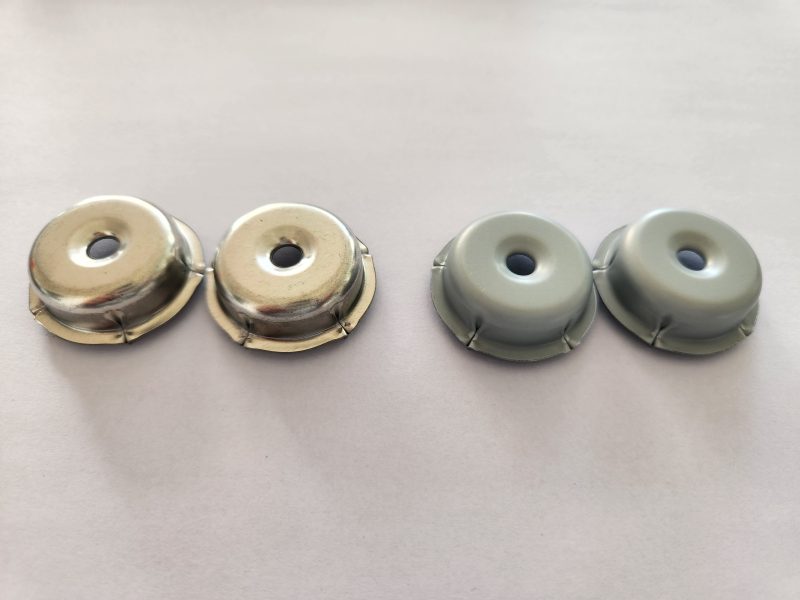
Key Factors for Selecting Paint Bucket Gaskets with Easy Maintenance
When choosing gaskets for paint buckets, maintenance convenience is a crucial aspect that impacts long-term usability and cost-effectiveness. A gasket that is easy to maintain reduces downtime, extends service life, and ensures consistent performance. This guide explores the essential considerations for selecting paint bucket gaskets that are simple to maintain.
Cleaning and Sanitization Ease
One of the primary maintenance tasks for paint bucket gaskets is cleaning, especially when the containers are reused or repurposed. A gasket that is easy to clean simplifies the maintenance process and ensures hygiene standards are met.
Smooth Surface Finishes
Gaskets with smooth surface finishes are easier to clean compared to those with rough or textured surfaces. Smooth surfaces prevent paint residues, dirt, or contaminants from adhering strongly, making them easier to wipe or rinse away.
For example, a gasket made from a material with a polished or glossy finish can be quickly cleaned with a damp cloth or mild detergent. The lack of crevices or grooves on the surface reduces the risk of trapped particles, ensuring a thorough cleaning every time. This is particularly important in industries where paint buckets are reused for different products, as cross-contamination must be avoided.
Chemical Resistance for Cleaning Agents
Paint bucket gaskets are often exposed to various cleaning agents during maintenance. Choosing a gasket material that is resistant to common cleaning chemicals ensures the gasket remains intact and functional after repeated cleanings.
Some cleaning agents, such as solvents or alkaline-based solutions, can degrade certain materials over time. A gasket made from a chemically resistant material, like certain grades of fluoropolymers or high-performance elastomers, will withstand exposure to these substances without swelling, cracking, or losing its sealing properties. This allows for aggressive cleaning when necessary without compromising the gasket’s performance.
Quick-Drying Properties
Gaskets that dry quickly after cleaning are more convenient to maintain, especially in fast-paced production environments. Quick-drying materials reduce the time required for the gasket to be ready for reuse, minimizing downtime.
For instance, a gasket made from a hydrophobic material will repel water, allowing it to dry rapidly after washing. This is particularly useful in situations where paint buckets need to be cleaned and reused within a short timeframe, such as in high-volume manufacturing or distribution centers. Quick-drying gaskets also reduce the risk of mold or mildew growth, which can occur if moisture is trapped for extended periods.
Inspection and Replacement Simplicity
Regular inspection and timely replacement of worn or damaged gaskets are essential for maintaining the integrity of paint bucket seals. A gasket that is easy to inspect and replace simplifies these maintenance tasks and ensures optimal performance.
Visual Accessibility for Inspection
Gaskets that are easily visible during inspection allow workers to quickly identify signs of wear, damage, or degradation. Visual accessibility reduces the time required for inspections and helps catch issues early before they lead to leaks or contamination.
For example, a gasket with a distinct color or contrast against the paint bucket’s lid or rim can be easily spotted during a visual check. Additionally, gaskets that are not obscured by other components or structures on the bucket make inspection straightforward. This is particularly important in environments where multiple paint buckets are stored or processed, as it allows for efficient and thorough inspections across a large number of containers.
Simple Removal and Reinstallation
A gasket that is easy to remove and reinstall simplifies the replacement process, reducing the time and effort required for maintenance. This is especially important when gaskets need to be replaced frequently due to high usage or harsh operating conditions.
Some gaskets are designed with features like snap-fit mechanisms or loose tolerances that allow them to be easily lifted off or pulled away from the paint bucket. Once removed, the replacement gasket can be quickly installed using the same simple method. This eliminates the need for specialized tools or complex procedures, making maintenance accessible to workers with varying levels of experience.
Clear Indicators of Wear or Damage
Gaskets that provide clear indicators of wear or damage help workers identify when replacement is necessary. These indicators can be physical changes, such as cracking, swelling, or discoloration, or functional changes, like reduced sealing performance.
For example, a gasket made from a material that changes color when exposed to excessive heat or chemicals can serve as a visual warning of potential damage. Similarly, gaskets with built-in wear markers or indicators can show when the gasket has reached the end of its service life. These features simplify the decision-making process for maintenance personnel, ensuring gaskets are replaced at the right time to prevent leaks or other issues.
Longevity and Durability for Reduced Maintenance Frequency
A durable gasket that lasts longer reduces the frequency of maintenance tasks, saving time and resources. Choosing a gasket with excellent longevity ensures reliable performance over an extended period, minimizing the need for frequent inspections or replacements.
High-Quality Material Selection
The material used to manufacture the gasket plays a significant role in its durability. High-quality materials that are resistant to wear, tear, and environmental factors will last longer and require less maintenance.
For example, gaskets made from premium elastomers or fluoropolymers are known for their excellent resistance to abrasion, chemicals, and temperature extremes. These materials can withstand the rigors of daily use in paint storage and handling applications without deteriorating quickly. By investing in a gasket made from a high-quality material, buyers can reduce the overall maintenance burden and ensure consistent performance over time.
Resistance to Environmental Factors
Paint bucket gaskets are often exposed to various environmental factors, such as sunlight, humidity, and temperature fluctuations. A gasket that is resistant to these factors will maintain its properties and performance over time, reducing the need for maintenance.
UV resistance is particularly important for gaskets used outdoors or in areas with significant sunlight exposure. UV rays can cause certain materials to degrade, leading to cracking or loss of elasticity. A UV-resistant gasket will retain its integrity even after prolonged exposure to sunlight. Similarly, gaskets that are resistant to humidity and temperature changes will not swell, shrink, or become brittle, ensuring a reliable seal in all conditions.
Load-Bearing Capacity for Heavy-Duty Use
In some applications, paint buckets may be stacked or subjected to heavy loads during storage or transportation. A gasket with a high load-bearing capacity can withstand these pressures without deforming or losing its sealing properties, reducing the need for maintenance due to damage.
For example, a gasket designed with reinforced edges or a thicker cross-section can distribute compression forces more evenly, preventing localized stress points that could lead to failure. This is particularly important in industrial settings where paint buckets are handled roughly or stored in high-density configurations. A durable, load-bearing gasket will maintain its seal even under heavy use, reducing the frequency of replacements and associated maintenance tasks.
By considering cleaning and sanitization ease, inspection and replacement simplicity, and longevity and durability, buyers can select paint bucket gaskets that are easy to maintain and ensure reliable performance over time. This simplifies the maintenance process, reduces downtime, and improves overall efficiency in paint storage and handling applications.