
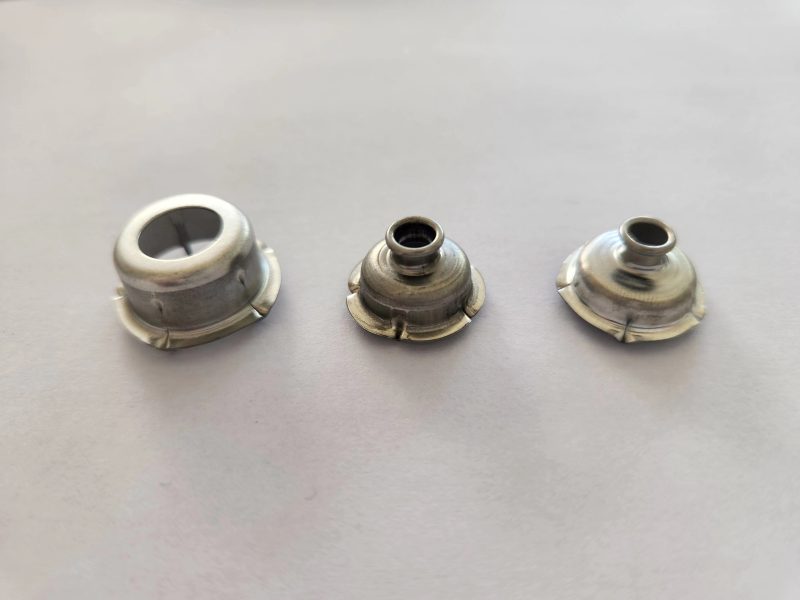
Key Considerations for Selecting Easy-to-Install Gaskets for Paint Buckets
When choosing gaskets for paint buckets, ease of installation is a critical factor that impacts productivity and operational efficiency. A gasket that is simple to install reduces the time and effort required during assembly, minimizing the risk of errors and ensuring a reliable seal. This guide explores the essential aspects to consider when selecting gaskets that are easy to install in paint container applications.
Design Features That Simplify Installation
The design of a gasket plays a significant role in how easily it can be installed. Certain design elements are specifically engineered to streamline the installation process, making it faster and more straightforward for workers.
Flexibility and Conformability
A gasket that is highly flexible and conformable is easier to install because it can adapt to the shape of the paint bucket’s lid or rim without requiring excessive force. Flexible materials, such as silicone or certain thermoplastic elastomers (TPEs), can be easily manipulated into place, reducing the risk of damage during installation.
For example, a thin, flexible gasket can be bent or folded slightly to fit into tight spaces or around irregularly shaped lids. Once in place, it will naturally conform to the container’s surface, creating a secure seal without the need for complex adjustments. This flexibility also makes it easier to remove and reinstall the gasket if necessary, such as during maintenance or cleaning.
Snap-Fit or Interlocking Mechanisms
Some gaskets incorporate snap-fit or interlocking mechanisms that allow them to be quickly and securely attached to the paint bucket. These mechanisms eliminate the need for additional tools or adhesives, simplifying the installation process and reducing the risk of improper placement.
A snap-fit gasket, for instance, may feature small protrusions or tabs that fit into corresponding grooves or slots on the bucket’s lid. When pressed into place, these tabs lock the gasket securely, ensuring it stays in position during use. This type of design is particularly useful in high-volume production environments where speed and efficiency are critical.
Tapered or Beveled Edges
Gaskets with tapered or beveled edges are easier to align and install compared to those with straight edges. The tapered design helps guide the gasket into the correct position, reducing the likelihood of misalignment or uneven sealing.
When installing a gasket with beveled edges, workers can easily feel or see when the gasket is properly seated against the container’s rim. This visual and tactile feedback simplifies the installation process, ensuring a consistent and reliable seal every time. Additionally, beveled edges can help distribute compression forces more evenly, reducing the risk of damage to the gasket during installation.
Material Properties That Enhance Installability
The material properties of a gasket also influence how easy it is to install. Certain materials offer advantages in terms of handling, manipulation, and resistance to damage during the installation process.
Low Tack and Non-Stick Surfaces
Gaskets with low tack or non-stick surfaces are easier to handle and position during installation. These surfaces prevent the gasket from sticking to workers’ hands or tools, reducing frustration and ensuring smooth placement.
For example, a silicone gasket with a non-stick coating can be easily slid into place without clinging to surfaces or requiring excessive force. This makes the installation process faster and more efficient, especially in environments where multiple gaskets need to be installed in quick succession.
Resistance to Tearing or Stretching
A gasket that is resistant to tearing or stretching during installation is less likely to be damaged, ensuring a reliable seal once in place. Materials with high tensile strength, such as certain grades of nitrile rubber (NBR) or fluorocarbon rubber (FKM), can withstand the forces applied during installation without breaking or deforming.
When installing a gasket around a paint bucket’s lid, workers may need to stretch or manipulate the gasket slightly to fit it into position. A material that is prone to tearing or stretching may not hold up under these conditions, leading to a compromised seal or the need for replacement. Choosing a gasket with excellent tear resistance ensures a durable and long-lasting installation.
Thermal Stability During Installation
In some cases, paint buckets may be exposed to temperature variations during storage or transportation, which can affect the installability of the gasket. A gasket with good thermal stability will maintain its shape and flexibility across a wide temperature range, ensuring easy installation regardless of environmental conditions.
For example, a gasket used in a paint bucket that is stored outdoors in cold weather may become stiff and difficult to manipulate if the material has poor low-temperature performance. On the other hand, a gasket with excellent thermal stability will remain flexible and easy to install even in extreme temperatures, ensuring consistent performance in all conditions.
Installation Tools and Accessories
While many gaskets are designed to be installed without additional tools, certain accessories can further simplify the process and improve accuracy. These tools are particularly useful in high-precision applications or when installing gaskets in large quantities.
Alignment Guides or Templates
Alignment guides or templates can help workers position the gasket correctly on the paint bucket’s lid or rim. These tools provide a visual reference, ensuring the gasket is centered and aligned properly before compression.
For example, a simple plastic template with cutouts that match the shape of the gasket can be placed over the bucket’s lid to guide installation. Workers can use the template to align the gasket accurately, reducing the risk of misalignment and ensuring a consistent seal. This is especially helpful for workers who may be less experienced or when installing gaskets on irregularly shaped containers.
Installation Jigs or Fixtures
In high-volume production environments, installation jigs or fixtures can streamline the gasket installation process. These specialized tools hold the paint bucket and gasket in place during installation, ensuring precise alignment and consistent compression.
An installation jig may feature clamps or holders that secure the bucket and gasket, allowing workers to apply even pressure during installation. This reduces the risk of uneven sealing or damage to the gasket, ensuring a reliable seal every time. Jigs and fixtures can also help speed up the installation process, making them ideal for large-scale manufacturing operations.
Lubricants or Release Agents
In some cases, using a lubricant or release agent can make it easier to install a gasket, especially if the material has a high coefficient of friction. These substances reduce the resistance between the gasket and the container’s surface, allowing for smoother placement.
For example, a small amount of silicone-based lubricant applied to the gasket or container’s rim can help the gasket slide into place more easily. However, it’s important to choose a lubricant that is compatible with the gasket material and won’t cause damage or degradation over time. Additionally, the lubricant should be easy to clean up and not leave any residue that could affect the seal.
By considering design features, material properties, and installation tools, buyers can select paint bucket gaskets that are easy to install and ensure a reliable seal. This simplifies the assembly process, reduces the risk of errors, and improves overall operational efficiency in paint storage and handling applications.