
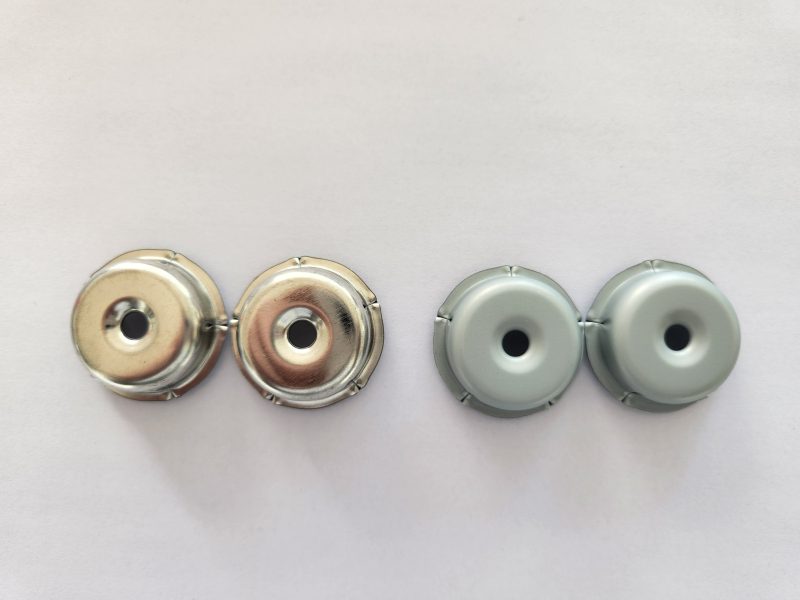
Essential Safety Considerations When Selecting Gaskets for Paint Containers
Choosing the right gaskets for paint containers is critical to preventing leaks, ensuring chemical stability, and protecting both workers and the environment. Safety risks such as chemical exposure, contamination, and mechanical failure can arise from poor-quality or incompatible gaskets. Below are key factors to evaluate when prioritizing safety in your selection process.
Chemical Compatibility and Resistance
Paint formulations often contain solvents, pigments, and additives that can degrade gasket materials over time. Incompatible gaskets may swell, crack, or lose elasticity, leading to leaks or contamination of the paint. For example, gaskets exposed to aggressive solvents like acetone or xylene require materials with high chemical resistance, such as fluoropolymers or certain silicones.
Testing gaskets under simulated conditions is crucial. Materials that resist permeation—the process by which chemicals pass through the gasket—are ideal for long-term storage. Look for gaskets rated for compatibility with specific paint components, such as epoxy resins or alkyd coatings, to ensure they maintain their integrity throughout the product’s shelf life.
Temperature and Pressure Tolerance
Paint containers may experience extreme temperatures during storage, transportation, or application. High temperatures can accelerate chemical reactions, while cold environments may cause gaskets to harden and lose flexibility. Select gaskets engineered to withstand the temperature ranges of your operational environment, whether it’s a warehouse in a hot climate or a refrigerated storage facility.
Pressure fluctuations, such as those caused by shaking during transit or changes in altitude, also impact gasket performance. Gaskets with poor pressure resistance may deform or fail, leading to leaks. Opt for materials with high tensile strength and elasticity, such as reinforced silicone or ethylene propylene diene monomer (EPDM), to handle these stresses safely.
Mechanical Durability and Sealing Performance
The physical demands placed on paint container gaskets—such as repeated opening and closing, vibration, or impact—require robust mechanical properties. A gasket that wears out quickly increases the risk of accidental spills or exposure to hazardous chemicals. Evaluate the hardness, compression set, and tear resistance of potential gaskets to ensure they can endure daily use without compromising safety.
Seal Integrity Under Dynamic Conditions
A gasket’s primary function is to create an airtight and liquid-tight seal. In dynamic environments, such as automated filling lines or conveyor systems, vibrations or movement can disrupt this seal. Choose gaskets designed with features like interlocking ridges or adhesive backings to enhance grip and prevent slippage. Additionally, verify that the gasket’s thickness and shape match the container’s lid design to avoid gaps that could lead to leaks.
For applications involving high-pressure systems, such as spray paint equipment, gaskets must maintain their seal under force. Testing gaskets with pressure gauges or leak detection tools can help identify materials that perform reliably under these conditions, reducing the risk of equipment failure or operator exposure.
Regulatory Compliance and Safety Certifications
Gaskets used in paint containers must comply with industry-specific regulations to ensure worker safety and environmental protection. Standards such as the Occupational Safety and Health Administration (OSHA) guidelines in the U.S. or REACH in the EU set limits on hazardous substances and require proper labeling and handling procedures. Verify that gaskets meet these requirements to avoid legal liabilities and health risks.
Certifications for Food-Grade or Medical-Grade Applications
If paint containers are repurposed for storing food, cosmetics, or pharmaceuticals, gaskets must adhere to stricter standards. Certifications like FDA (Food and Drug Administration) compliance or ISO 10993 for medical devices ensure the materials are non-toxic and safe for indirect contact with consumables. Even if repurposing isn’t planned, choosing gaskets with these certifications can provide an extra layer of safety assurance.
Installation and Maintenance Safety
Improper installation is a leading cause of gasket failure. Gaskets that are oversized, undersized, or misaligned may not seal correctly, creating vulnerabilities. Train staff on proper installation techniques, such as using torque wrenches for bolted lids or ensuring gaskets are seated evenly in grooves.
Regular maintenance is equally important. Inspect gaskets for signs of wear, such as cracking, discoloration, or compression set, and replace them immediately if damage is detected. Establish a schedule for routine checks, especially for containers storing corrosive or volatile paints, to prevent minor issues from escalating into safety hazards.
By focusing on chemical compatibility, mechanical durability, regulatory compliance, and proper installation, businesses can select gaskets that enhance safety across the entire lifecycle of paint containers. These measures not only protect workers and the environment but also reduce downtime and costs associated with leaks or contamination.