
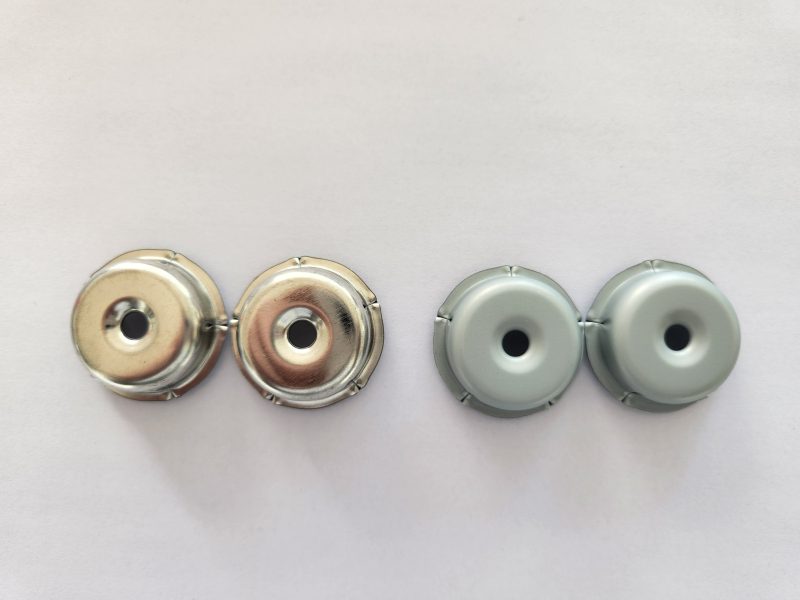
First-Time Installation and Adjustment Guide for Paint Bucket Gaskets
Installing a gasket in a paint bucket for the first time requires precision to ensure a leak-proof seal and long-term durability. Whether you’re setting up a new bucket or upgrading an older model, understanding the correct steps for alignment, pressure application, and testing is critical. This guide breaks down the process into clear, actionable stages to help you achieve a perfect fit.
Preparing the Bucket and Gasket for Installation
Proper preparation sets the foundation for a successful installation by ensuring compatibility and cleanliness.
Verifying Compatibility Between Gasket and Bucket
Before starting, confirm the gasket matches the bucket’s rim shape (circular, square, or rectangular) and dimensions. Measure the rim’s width and length, then compare them to the gasket’s specifications. A mismatch can lead to gaps or uneven sealing, causing leaks. If the bucket is designed for specialized paints or chemicals, choose a gasket material resistant to those substances to avoid degradation over time.
Cleaning the Rim and Lid Thoroughly
Dirt, paint residue, or adhesive from previous gaskets can prevent the new one from seating correctly. Use a plastic scraper to gently remove stubborn debris, then wipe the rim and lid with a cloth dampened in isopropyl alcohol. For textured surfaces, a soft-bristled brush helps dislodge hidden particles. Let the surfaces dry completely to avoid trapping moisture under the gasket, which could weaken adhesion or cause mold growth.
Inspecting the Gasket for Defects
Check the gasket for cracks, tears, or uneven thickness before installation. Even minor flaws can compromise the seal, especially under pressure or when exposed to chemicals. If the gasket is adhesive-backed, ensure the adhesive layer is smooth and free of bubbles or gaps. For non-adhesive gaskets, verify the material is flexible enough to conform to the rim’s shape without stretching or breaking.
Installing the Gasket with Precision
Correct alignment and pressure application are key to creating a tight, durable seal.
Aligning the Gasket Correctly on the Rim
Start by identifying a reference point, such as a bucket handle seam or a printed label, to align the gasket. For circular rims, begin at the top and work clockwise; for square or rectangular rims, start at a corner. Press the gasket into the rim gently, using your fingertips to avoid overstretching. If the gasket has a groove or specific orientation (e.g., a textured side for adhesion), ensure it matches the rim’s design.
Applying Even Pressure During Installation
Once aligned, use a plastic spatula or roller to press the gasket firmly into the rim. Work in small sections, applying steady pressure to bond adhesive-backed gaskets or seat non-adhesive ones into grooves. Avoid using excessive force, which can stretch or tear the gasket. For thick gaskets, press harder to ensure they conform to the rim’s shape; for thin ones, use light touches to prevent creasing. If the gasket shifts during pressing, realign it before continuing.
Adjusting for Tightness and Flexibility
The gasket should fit snugly without being overcompressed. If it feels too loose, check for gaps between the gasket and rim and press those areas again. If it’s too tight, the lid may not close properly, or the gasket could deform under pressure. For adhesive-backed gaskets, hold the lid closed for 1–2 minutes after installation to reinforce the bond. Non-adhesive gaskets may require a second pass with the spatula to ensure full contact with the rim.
Testing and Fine-Tuning the Seal
Verifying the installation prevents future leaks and ensures the bucket is ready for use.
Conducting a Leak Test with Water
Fill the bucket with water (or a small amount of paint if safe to test) and close the lid tightly. Tilt the bucket at a 45-degree angle and hold it for 30 seconds. Check for drips or moisture around the rim. If leaks occur, reopen the lid and inspect the gasket for gaps or misalignment. Re-press the gasket into the rim, focusing on leaky areas, then retest. For adhesive-backed gaskets, ensure the adhesive hasn’t oozed onto the rim, creating unevenness.
Ensuring the Lid Closes Without Resistance
The lid should sit flush with the rim and close smoothly. If it rocks or requires force, the gasket may be overcompressed or misaligned. Adjust the gasket’s position or trim excess material if it’s too thick. For adhesive-backed gaskets, check that the adhesive hasn’t hardened unevenly, causing the lid to stick. A properly fitted lid should seal tightly with minimal effort, indicating the gasket is correctly installed.
Monitoring the Gasket Over Time
After initial installation, inspect the gasket regularly for signs of wear, such as cracking, shrinking, or discoloration. Exposure to extreme temperatures or chemicals can accelerate degradation, so store the bucket in a cool, dry place away from direct sunlight. If the gasket loses elasticity or fails the leak test during rechecks, replace it immediately to maintain the bucket’s functionality.
By following these steps, first-time gasket installation becomes a straightforward process that ensures reliability and prevents costly leaks. Attention to detail during preparation, installation, and testing guarantees the gasket performs optimally, even under demanding conditions.