
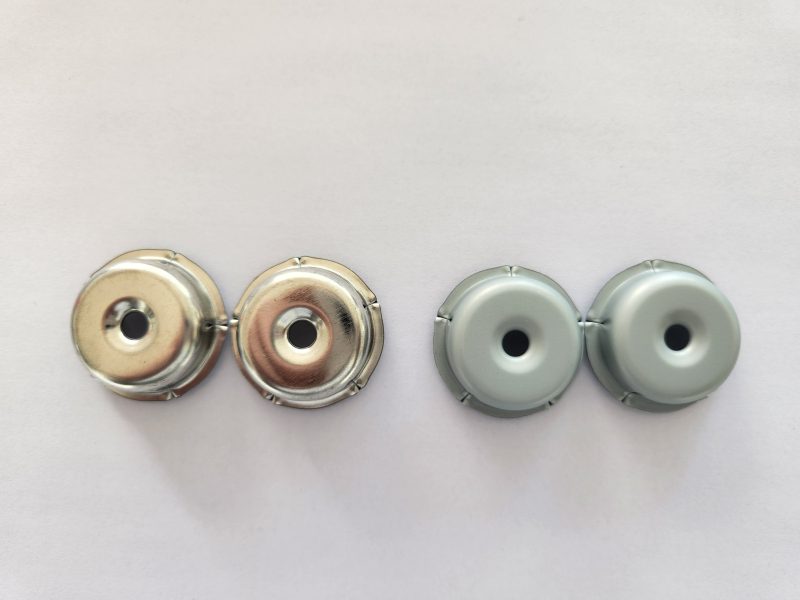
Tips for Installing Paint Bucket Gaskets in Tight Spaces
Installing gaskets on paint buckets becomes challenging when working in confined areas, such as small-diameter containers or buckets with recessed rims. Limited access can lead to misalignment, incomplete sealing, or frustration. However, with the right techniques and tools, even tight spaces can be managed effectively. Here’s how to approach gasket installation in narrow or hard-to-reach areas.
Preparing for Installation in Confined Areas
Before attempting to fit a gasket into a tight space, preparation is key. Proper tools and a clean workspace reduce the risk of errors and make the process smoother.
Selecting the Right Tools for Limited Access
Standard gasket installation tools may not fit in narrow spaces, so opt for compact alternatives. For example, use a small, flat-head screwdriver or a plastic spatula with a thin edge to press the gasket into place. These tools can slide into tight corners without damaging the gasket or the rim.
If the bucket has a recessed rim, consider using a flexible tool like a silicone spatula or a piece of stiff cardboard wrapped in cloth. The flexibility allows the tool to bend slightly, conforming to the rim’s shape while applying pressure. For deeper recesses, a long, narrow rod with a rounded tip can help position the gasket accurately.
Cleaning and Inspecting the Rim Thoroughly
Debris or rough edges in tight spaces can prevent the gasket from seating properly. Use a small brush, such as an old toothbrush, to clean the rim thoroughly. Pay extra attention to corners and crevices where paint residue or rust might accumulate.
After cleaning, inspect the rim for sharp edges or burrs that could tear the gasket. If you find any, smooth them out with fine-grit sandpaper or a file. A smooth surface ensures the gasket fits snugly without snagging or stretching unevenly.
Techniques for Positioning and Pressing the Gasket
Once the workspace is ready, focus on aligning and securing the gasket in the tight space. These methods help maintain accuracy without forcing the material.
Starting Alignment from the Easiest Access Point
Begin installing the gasket at the widest or most accessible part of the rim, even if it’s not the top. For example, if the bucket has a handle or a spout, start near these features where you have more room to maneuver. This approach lets you gradually work the gasket into tighter sections without stretching or distorting it.
Use your fingers to guide the gasket into place, pressing lightly as you go. If the space is too narrow for fingers, wrap a piece of cloth around a thin tool to protect the gasket from direct contact with metal or rough surfaces. This method provides better control and reduces the risk of puncturing the material.
Applying Even Pressure in Small Increments
In tight spaces, applying too much force at once can cause the gasket to bunch up or shift out of alignment. Instead, press the gasket into place in small sections, working your way around the rim. For circular buckets, move in a clockwise or counterclockwise direction, ensuring each segment is seated before moving to the next.
If the gasket resists seating, avoid pulling or stretching it. Instead, lift the gasket slightly and reposition it, then press again with gentle pressure. For recessed rims, use a tool to apply pressure from the inside out, pushing the gasket into the groove without overcompressing it.
Adjusting and Securing the Gasket in Narrow Spaces
Even with careful installation, small misalignments or gaps can occur. These adjustments ensure the gasket forms a complete seal without damaging the material.
Using a Hooked Tool to Reposition Misaligned Sections
If a section of the gasket slips out of place, a hooked tool can help reposition it without removing the entire gasket. Bend a thin piece of wire or a paperclip into a small hook, then slide it under the misaligned section. Gently lift the gasket and guide it back into the groove, applying light pressure to hold it in place.
For stubborn areas, dampen a cloth with a small amount of water or lubricant (if compatible with the gasket material) and rub it along the edge. The slight moisture can help the gasket slide back into alignment without sticking to the rim.
Securing the Gasket Without Over-Tightening
In tight spaces, fasteners like clips or bolts may not be an option. Instead, rely on friction or adhesive to hold the gasket in place. If the gasket has a self-adhesive backing, press it firmly into the rim, starting from the center and working outward to avoid air bubbles.
For non-adhesive gaskets, use a tool to press the edges into the rim’s groove, ensuring full contact. If the gasket tends to shift, apply a thin layer of silicone-based sealant along the edge (avoiding the sealing surface) to help it stay put. Allow the sealant to cure according to the manufacturer’s instructions before using the bucket.
Avoiding Common Mistakes in Tight-Space Installations
Mistakes in confined areas can be harder to fix, so prevention is better than correction. These tips help you avoid issues from the start.
Not Forcing the Gasket into Place
Pushing or pulling the gasket too hard in a tight space can stretch or tear the material, compromising the seal. Instead, work slowly and patiently, using tools to guide the gasket into position. If it feels stuck, stop and reassess—there may be debris or a rough edge preventing proper seating.
Double-Checking Alignment Before Final Pressing
Once the gasket is mostly in place, take a moment to inspect it from different angles. Look for gaps or uneven compression, especially in corners or recessed areas. Adjust as needed before applying final pressure, as correcting misalignments after the gasket is fully seated is often difficult.
By using the right tools, applying pressure carefully, and making adjustments as needed, you can install paint bucket gaskets in even the tightest spaces with confidence. These techniques ensure a secure seal, protecting the contents and preventing leaks without requiring extensive force or specialized equipment.