
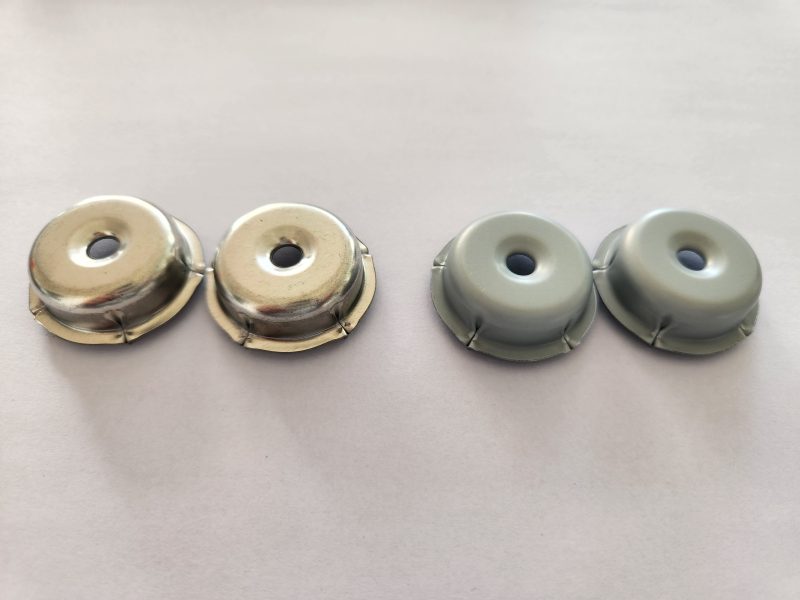
Collaborative Installation Process for Paint Bucket Gaskets with Multiple Workers
Installing gaskets on paint buckets efficiently often requires teamwork, especially when handling large batches or heavy buckets. A well-coordinated approach ensures consistency, reduces errors, and speeds up the process without compromising seal quality. Here’s how to structure a collaborative workflow for gasket installation.
Pre-Installation Team Organization and Role Assignment
Before starting, clarify each team member’s responsibilities to avoid confusion and overlapping tasks. Clear roles streamline the process and ensure every step is covered.
Dividing Tasks Based on Skill and Strength
Assign roles based on physical ability and attention to detail. For example, one worker can handle the gaskets, ensuring they’re the correct size and free of defects, while another prepares the buckets by cleaning the rims and removing debris. A third team member might focus on tightening fasteners or applying pressure, depending on the installation method.
If the team includes workers with varying experience levels, pair less experienced members with seasoned ones for guidance. This setup helps maintain quality while allowing newer workers to learn proper techniques.
Setting Up a Centralized Workstation Layout
Arrange tools and materials in a way that minimizes movement between steps. Place gaskets, buckets, and fasteners in separate, clearly labeled areas within reach of all workers. For example, position cleaned buckets on one side, gaskets in the middle, and fasteners or pressing tools on the other.
Ensure the workspace has enough room for multiple workers to move freely without interfering with one another. Adequate lighting is also crucial—poor visibility can lead to misaligned gaskets or missed debris on the rim.
Step-by-Step Collaborative Installation Technique
A synchronized approach ensures each gasket is installed correctly and quickly. Break the process into clear stages where workers can focus on specific actions without overlapping.
Preparing the Bucket Rim and Gasket
One worker begins by inspecting the bucket rim for rust, paint residue, or rough edges that could prevent a proper seal. Using a wire brush or sandpaper, they clean the rim until it’s smooth and free of contaminants. Meanwhile, another worker checks the gasket for damage, such as cracks or uneven thickness, and sets aside any defective pieces.
Once the rim is clean, the first worker applies a thin layer of lubricant or adhesive (if required by the gasket type) to help it seat properly. The second worker then hands them a verified gasket, ensuring the correct size and material are used for the bucket’s contents.
Positioning the Gasket and Applying Initial Pressure
Two workers can collaborate to position the gasket accurately. One holds the bucket steady while the other aligns the gasket with the rim, starting at the top and working their way around. For circular buckets, they ensure the gasket’s split or overlap (if present) is at the back for easier access during adjustments.
After initial alignment, a third worker uses a flat tool, like a rubber mallet or plastic spatula, to press the gasket gently into place. They work in small sections, applying even pressure to avoid creating high spots or gaps. The team checks alignment visually as they go, ensuring the gasket sits flush against the rim.
Final Checks and Adjustments Through Team Verification
Even with careful installation, small misalignments or gaps can occur. A final verification step involving multiple workers catches these issues before the bucket is used.
Conducting a Visual Inspection Together
All team members gather around the installed gasket to inspect it under good lighting. Each worker focuses on a specific section—one checks the top, another the sides, and a third the bottom. They look for uneven compression, visible gaps, or areas where the gasket isn’t fully seated.
If a gap is spotted, the worker responsible for adjustments uses a tool to reposition the gasket slightly, while another holds the bucket steady. This collaborative approach ensures problems are fixed quickly without over-tightening or damaging the gasket.
Testing the Seal with a Physical Check
One worker applies pressure to the gasket’s center to test for airtightness, listening for hissing or feeling for movement along the edges. Another worker runs their fingers along the rim to check for flexibility—the gasket should compress slightly but return to shape when released.
If the seal isn’t secure, the team loosens fasteners (if applicable) and repositions the gasket before retightening. For buckets without fasteners, they repeat the pressing process with more force, ensuring the gasket conforms tightly to the rim.
Maintaining Efficiency During High-Volume Installations
When installing gaskets on dozens of buckets, keeping the workflow smooth prevents bottlenecks and fatigue. Simple strategies help the team stay productive without sacrificing quality.
Rotating Roles to Prevent Fatigue
Switching tasks every 30–60 minutes keeps workers engaged and reduces strain from repetitive motions. For example, the worker who cleaned rims earlier might move to pressing gaskets, while someone who pressed gaskets takes over inspection duties. This rotation also helps workers develop multiple skills, making the team more versatile.
Stocking Supplies Proactively
Assign one team member to monitor material levels and restock gaskets, lubricants, or tools as needed. Running out of supplies mid-process forces the team to pause, disrupting momentum. Keep extra gaskets and cleaning supplies nearby, organized by size or type for quick access.
By organizing tasks, synchronizing actions, and verifying results as a team, workers can install paint bucket gaskets efficiently and accurately. This collaborative approach minimizes errors, speeds up production, and ensures every bucket is sealed properly for storage or transport.