
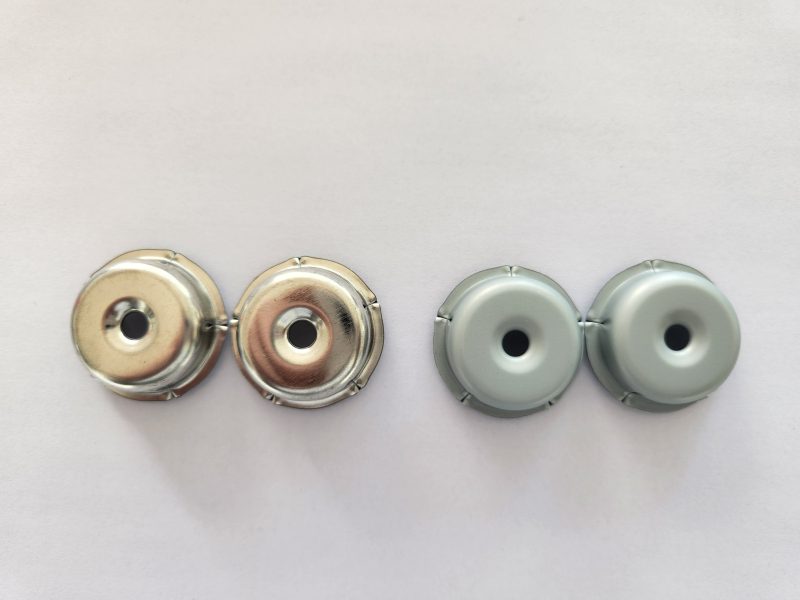
Quick Installation Tips for Paint Bucket Gaskets
Installing paint bucket gaskets efficiently saves time and ensures a secure seal, preventing leaks and preserving paint quality. Whether you’re working in a professional shop or a DIY setting, mastering quick installation techniques reduces frustration and improves workflow. Here’s how to streamline the process without compromising effectiveness.
Preparing the Bucket and Gasket for Installation
Proper preparation is the foundation of fast, effective gasket installation. Skipping this step often leads to misalignment or repeated adjustments, wasting time and materials.
Cleaning Surfaces Thoroughly
Dust, dried paint, or residue on the bucket rim or gasket can prevent a tight seal. Use a lint-free cloth dampened with isopropyl alcohol or warm, soapy water to wipe both surfaces. For stubborn debris, gently scrape with a plastic tool—avoid metal scrapers, which can scratch the rim and create leak paths.
Ensure the gasket is free of protective coatings or manufacturing oils by wiping it lightly with alcohol. Let both surfaces air-dry completely before proceeding; moisture trapped under the gasket can weaken adhesion or cause bubbling.
Aligning the Gasket Correctly
Misaligned gaskets slip during tightening or fail to seal properly. Start by identifying the gasket’s orientation—some have textured sides or raised edges designed to face inward or outward. Lay the gasket flat on a clean surface and compare it to the bucket rim’s shape.
For circular gaskets, align the edges evenly with the rim’s circumference. If the gasket has a split or overlap, position it at the back of the bucket for easier access during tightening. Press the gasket into place gently, ensuring it sits flush without bunching or twisting.
Leveraging Tools for Faster Positioning
Using the right tools simplifies installation, especially for large or heavy buckets. While some gaskets can be installed by hand, tools reduce effort and improve precision.
Using Non-Marring Press Tools
A flat, smooth object like a rubber mallet or a block of wood helps press the gasket into grooves without damaging it. Place the tool against the gasket’s edge and tap lightly to guide it into place. Work in small sections, moving clockwise or counterclockwise around the rim to maintain even pressure.
For gaskets with deep curves or recessed areas, a blunt-tipped screwdriver or a plastic spatula can help tuck edges into tight spaces. Wrap the tool’s tip in a cloth to prevent scratches, and avoid forcing the gasket—gentle persistence works better than brute force.
Applying Even Pressure with Clamps or Straps
If the bucket lacks built-in fasteners, temporary clamps or ratchet straps can hold the gasket in position during initial adjustments. Wrap the strap around the bucket’s body, just below the rim, and tighten it enough to compress the gasket slightly. This keeps the gasket aligned while you secure it permanently.
For smaller buckets, use adjustable C-clamps or spring clamps to pinch the gasket between the rim and a flat board. This method is ideal for irregularly shaped containers or gaskets that resist manual positioning.
Optimizing the Tightening Process
Once the gasket is aligned, securing it properly ensures a lasting seal. The method depends on the bucket’s design, but the goal is always uniform compression without over-tightening.
Hand-Tightening Fasteners First
If the bucket uses bolts, screws, or clips, start by hand-tightening each fastener in a star pattern. This distributes pressure evenly and prevents the gasket from shifting to one side. Avoid using power tools at this stage—over-tightening can crush the gasket or strip threads.
After hand-tightening, use a screwdriver or wrench to give each fastener a final quarter-turn. Listen for a slight “give” in the gasket material; if it resists, stop—you’ve likely reached the optimal tension.
Checking for Uniform Compression
Run your fingers along the gasket’s edge to feel for gaps or uneven spots. The gasket should compress slightly between the rim and the fastener, creating a consistent seal. If certain areas feel loose, loosen adjacent fasteners and re-tighten them in a new star pattern to redistribute pressure.
For buckets without fasteners, press down on the gasket’s center with your palm while observing the edges. If the gasket lifts or shifts, it’s not compressed enough. Reposition it and repeat the pressure test until it stays firmly in place.
Troubleshooting Common Installation Issues
Even with careful preparation, issues like bunching, slipping, or incomplete seals can arise. Addressing these problems quickly keeps the installation process on track.
Fixing Gasket Bunching or Twisting
If the gasket bunches up during installation, it’s likely too large for the rim or hasn’t been aligned properly. Remove the gasket and trim it slightly with scissors or a utility knife—only if the material allows safe cutting. Reinstall the gasket, focusing on smooth, even pressure to prevent new creases.
For twisting, ensure the gasket’s orientation matches the rim’s shape. Some gaskets have markers or notches indicating their front or back; align these with reference points on the bucket for a straight fit.
Preventing Slippage During Use
A gasket that slips after installation may be too smooth or the rim too slick. Roughen the rim’s surface lightly with fine-grit sandpaper to improve grip, or add a thin layer of non-hardening adhesive to the gasket’s backside. Avoid glues that dry rigid, as they can crack under movement.
If the bucket will store volatile solvents, choose adhesives rated for chemical exposure. Test a small area first to ensure compatibility with both the gasket and the stored material.
By following these tips, you’ll install paint bucket gaskets quickly and confidently, minimizing downtime and ensuring a reliable seal every time. The key lies in preparation, the right tools, and attention to detail—skills that improve with practice and patience.